


Costa-Gavras sets his sights on Latin America in this superbly-constructed political-thriller that raises questions about the United States’ complicit involvement in counterinsurgency, torture and violence.
Continue reading →

Costa-Gavras sets his sights on Latin America in this superbly-constructed political-thriller that raises questions about the United States’ complicit involvement in counterinsurgency, torture and violence.
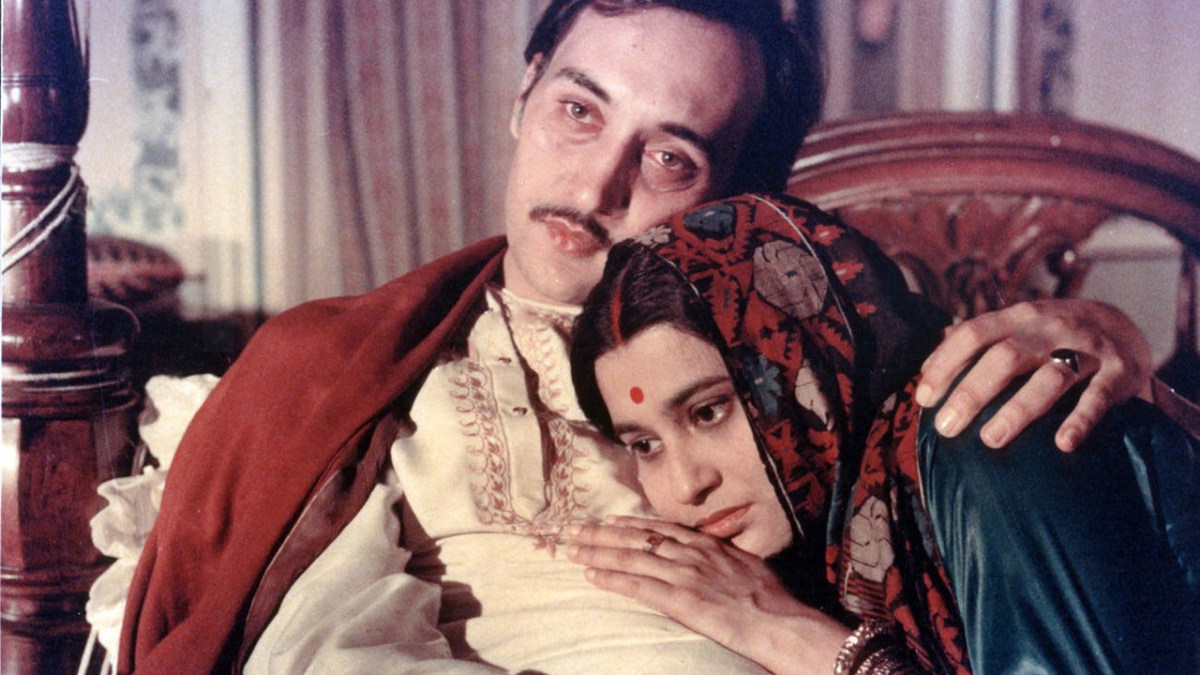
Ray’s third adaptation of Rabindranath Tagore’s work late on in his career is a quietly-composed and deliberately-paced tale about the intertwining of domestic and national affairs.

One of Malle’s finest works, this restrained drama builds up slowly, only to leave you emotionally shattered by the end of it.

It does feel overly-plotted, but this fifth ‘Zatoichi’ installment builds up to an all-out street gang war.

Varda’s beautiful work about the deep friendship between two French women trying to find meaning in their womanhood is fiercely feministic underneath its warm, understated filmmaking style.
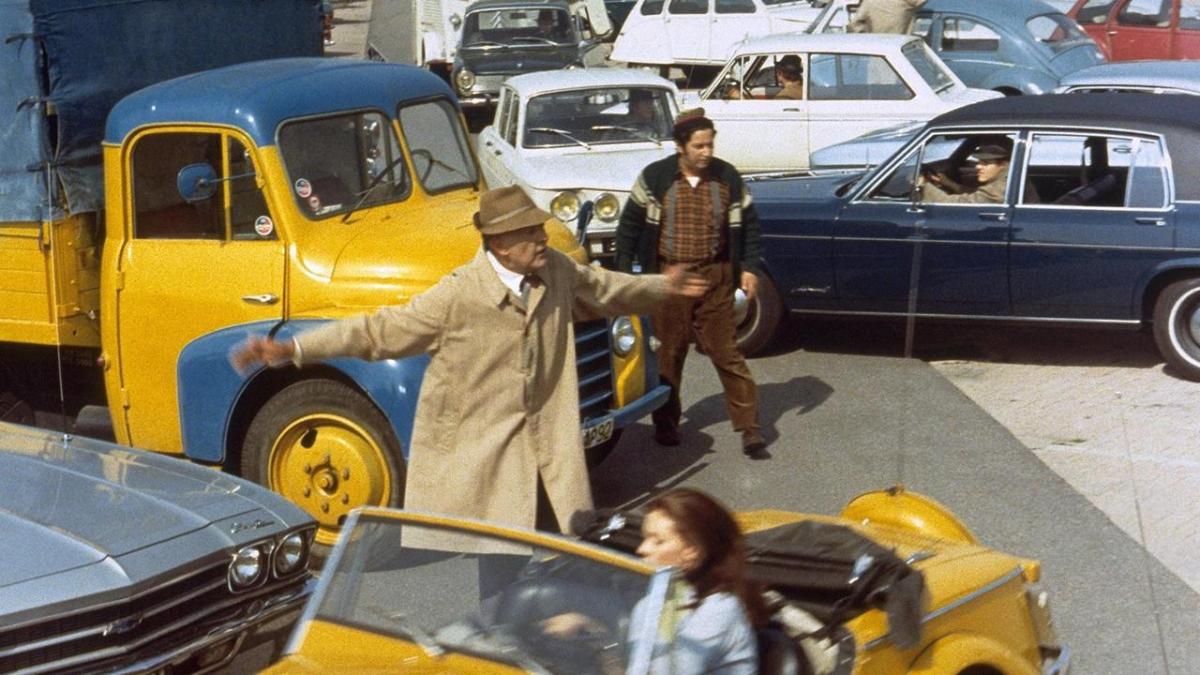
This late career work by French comic master Jacques Tati has uncharacteristic pacing problems, though if you like automobiles, it is a charming snapshot of cars and trucks of the early 1970s.

The great Jacques Tati delivers outrageously inventive comedy visual gags in some of the most elaborate mise-en-scene committed to film.

The first colour film of Tati is a remarkable and satirical slapstick comedy, acting as a bridge between the doldrums of mechanized modernity and the earthly charms of the old-world.
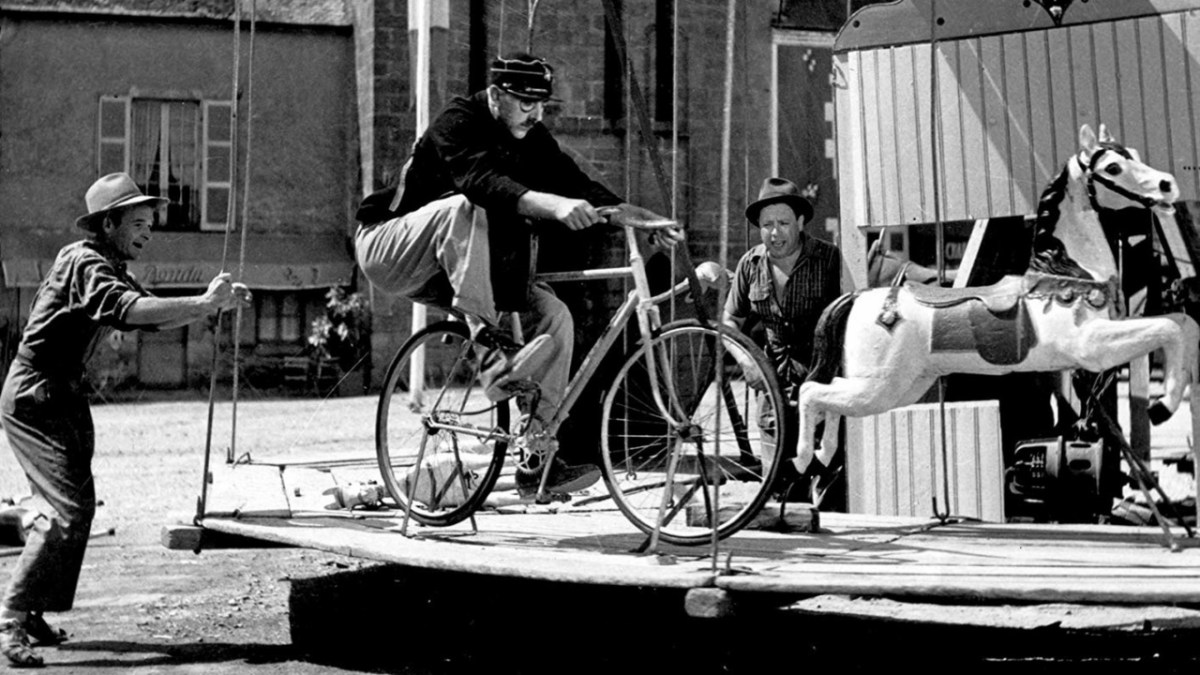
Tati’s debut feature is a charming little piece about a postman in a countryside town, filled with the kind of visual gags and physical humour that would define his future works.

Sembene the trailblazer led African cinema to international recognition with this landmark classic about the despair of a black Senegalese woman made to work for a white French family.

