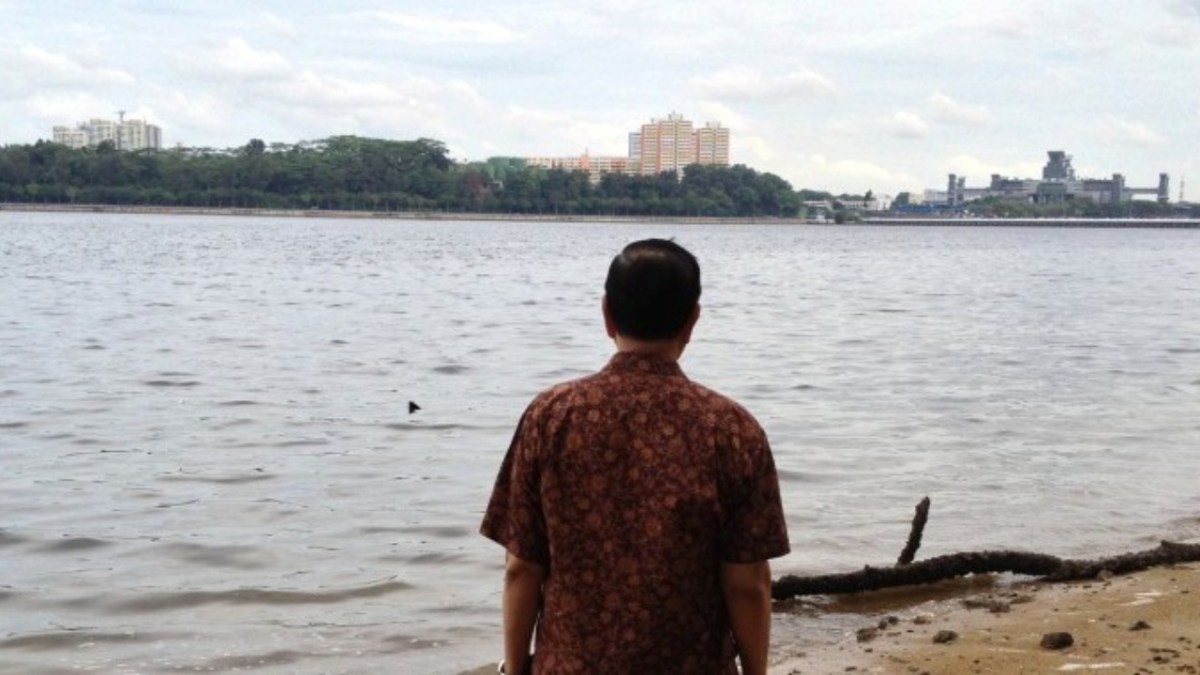

A vital and deeply humane documentary about memory, exile, and the costs of political conviction, Pin Pinโs Singapore-banned film reminds us that history does not disappear simply because it has been redacted.
Continue reading →
A vital and deeply humane documentary about memory, exile, and the costs of political conviction, Pin Pinโs Singapore-banned film reminds us that history does not disappear simply because it has been redacted.
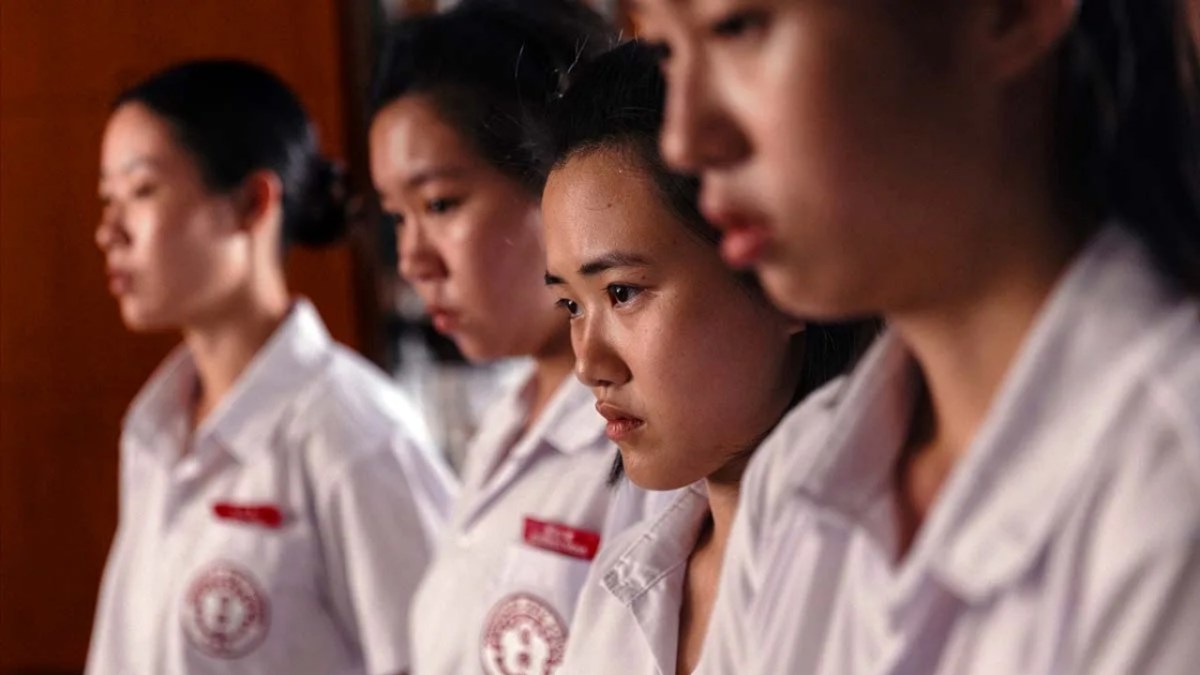
Four gangsta-wannabe schoolgirls navigate friendship, school rules and academic expectations in Tan Siyouโs fantastic debut feature, an emotionally resonating work about the codification of teenage identity and destiny in conformist Singapore.
An interrogator and his subject are under the scrutiny of Huiโs camera as he dives into a murky part of Singaporeโs legal history through a highly psychological mode that will interest adventurous cinephiles with a discerning taste for the avant-garde.
A work fundamentally rooted in voyeurism and the invasion of personal space in private and in public, Yeoโs part-mystery, part anti-thriller teases us with its form and structure as a young couple tries to find their missing child who has disappeared in mysterious circumstances.
Although its overlong slow-cinema style may alienate some audiences, the filmmakersโ control of mise-en-scene feels assured and reassuring as undocumented migrants face moral questions and exploitation eking out a painful existence in the mountains of Taiwan.
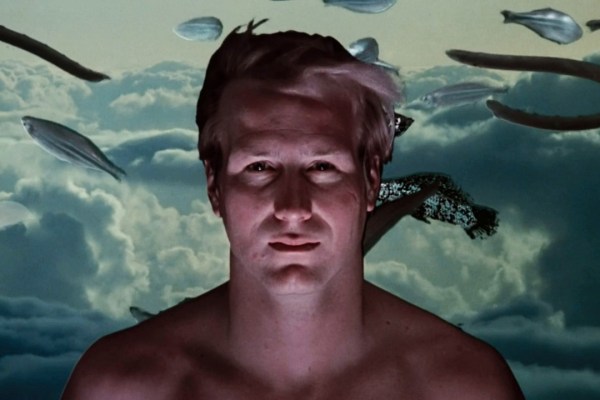
Bursts of warped creativity punctuate this rather inscrutable Singaporean experimental drama about the discomfiting nature of personal fantasies and quiet acceptance in matters of life and death.
Tongโs long-gestating new film is a work of poise, as much a lament for the โlostโ Chinese-educated generation who found difficulty existing in English-prioritised Singapore in the late โ70s, as it is a pining for simpler times and simpler truths.
The hopes of transcending their abject youth emanate from the trio of well-realised characters in Chenโs assured fourth feature, set and shot in far-flung Northeast China.
Even when it falls back into a kind of televisual style, Kwekโs work is always engaging as it tackles the thorny local LGBT issue with a kind of reactionary bite that is rare in Singapore cinema.
Meditative yet at times tonally dissonant, Liao’s work about the shifting temporalities of identity and memory is ultimately elusive.