

Pasolini asks the Italian public very bold and awkward questions about sex—and all of its political, social, economic and cultural implications—in this superb and highly-entertaining documentary survey.
Continue reading →

Pasolini asks the Italian public very bold and awkward questions about sex—and all of its political, social, economic and cultural implications—in this superb and highly-entertaining documentary survey.

Tales of lust and love are intertwined with Pasolini’s astonishing location shooting in this weird concoction of a film that runs a bit too long.
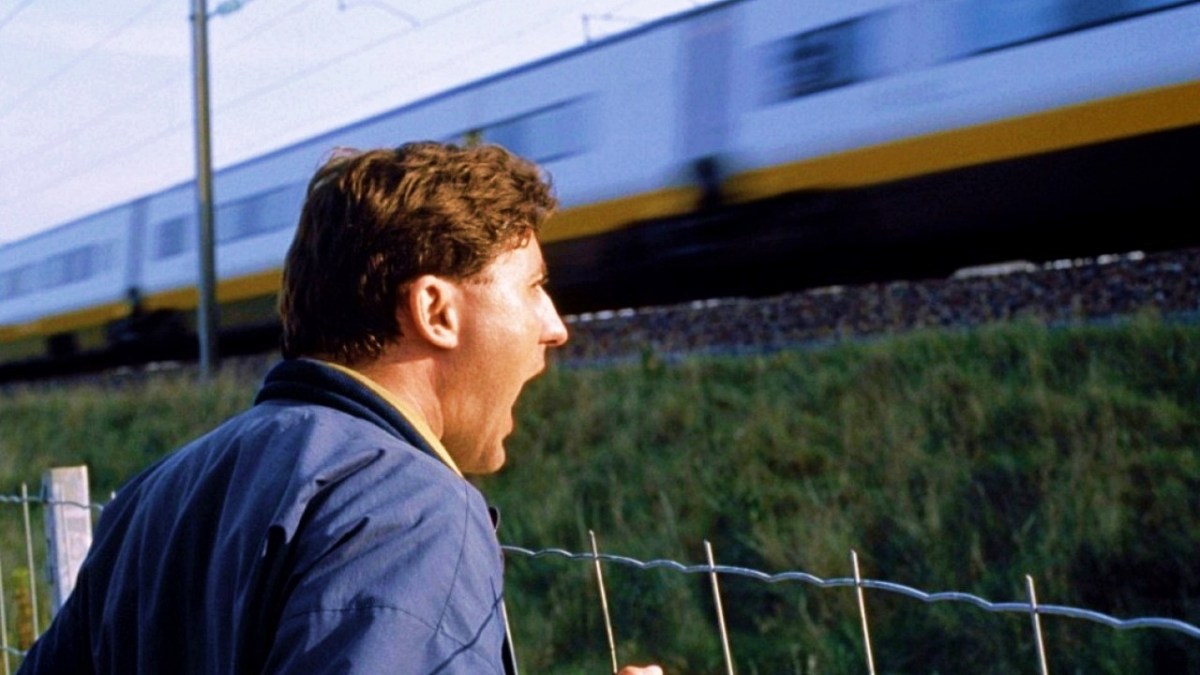
Slow cinema as an anti-police procedural, Dumont’s fascinating if unclassifiable work features a hypnotic Emmanuel Schotte (in his only film role), whose face must be one of the most arresting in all of cinema.
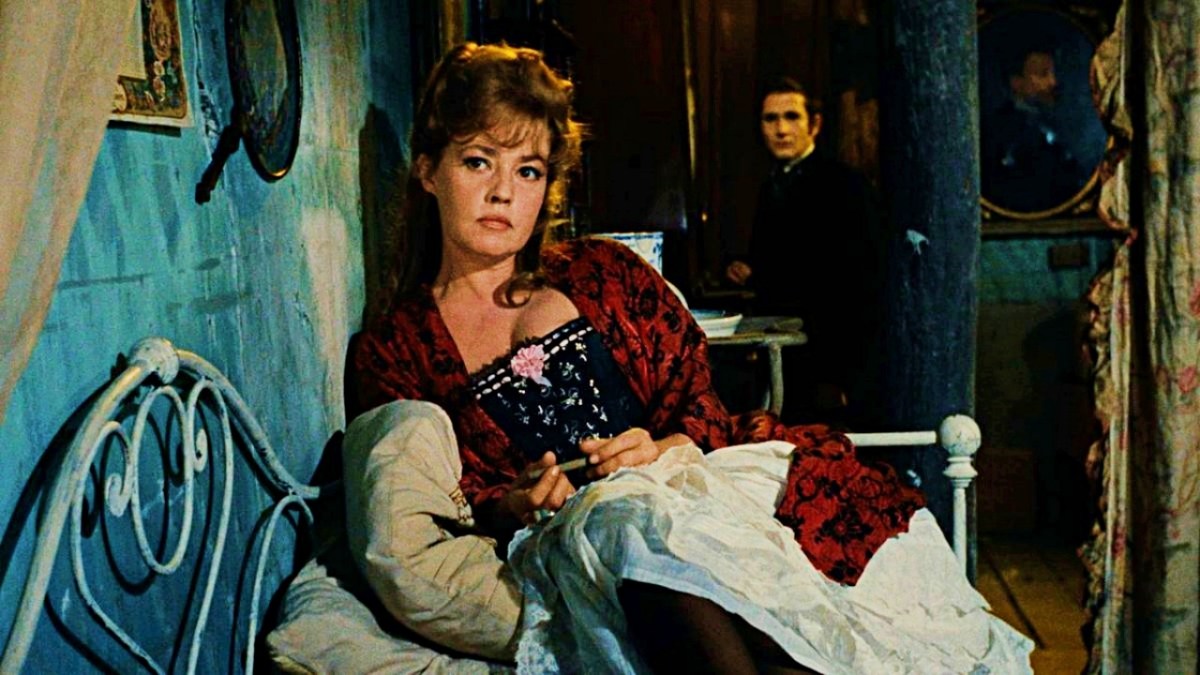
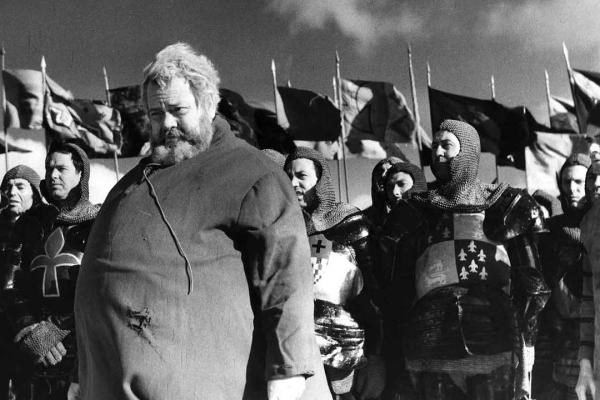
The story-within-a-story treatise might feel undercooked but Welles still does a lot within its short runtime, particularly creating the film’s dreamy, intoxicating atmosphere, accompanied by the ethereal music of Erik Satie.

Not as complete as The Decameron was, this lust-filled, sex-crazed medieval fantasy will probably knock you out with its comic outrageousness.

Pasolini’s first film in his unofficial ‘Trilogy of Life’ is wildly provocative and blasphemous where religion and sex meet at the crossroads of art.

Powerful, poetic and sublime, this could be Pasolini’s magnum opus and arguably the greatest film about the life of Jesus Christ.

Scorsese’s entertaining Bob Dylan documentary doesn’t really go very deep but it is an indelible time capsule as it tracks the legendary artiste’s defining 1975 tour across America.

Chan does his stunts and comedy with aplomb, but this sequel is let down by a wafer-thin plot and poor pacing.
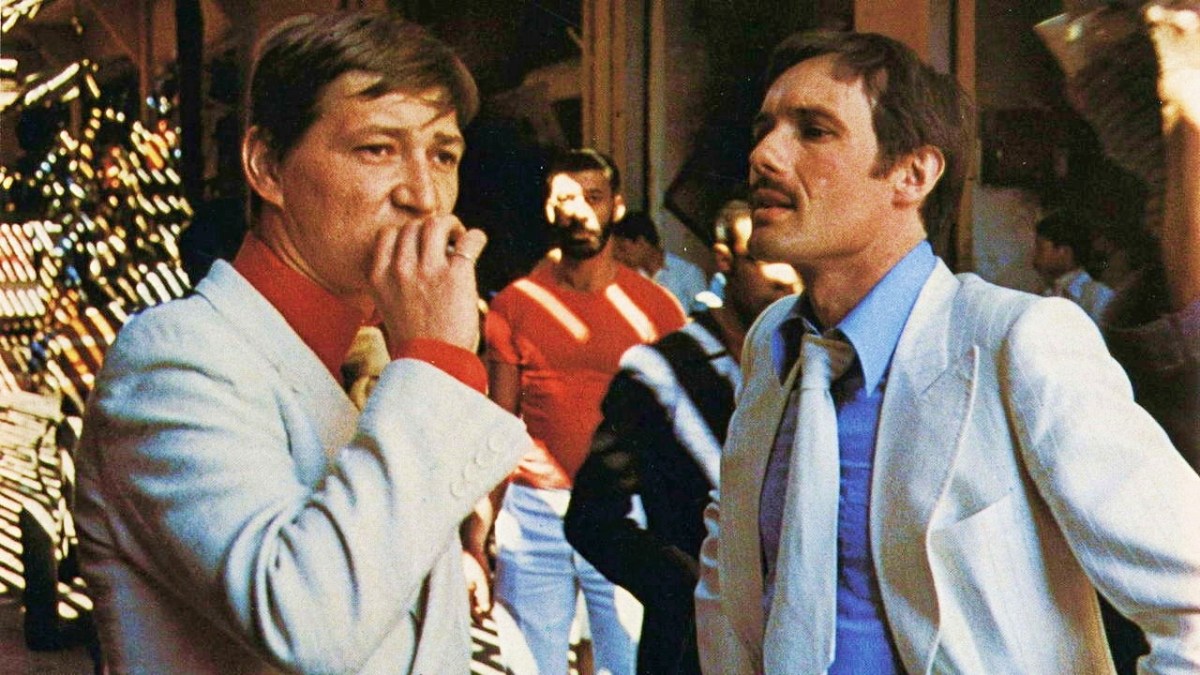
A depressing, slow-burning gay drama that only Fassbinder (also fantastic in the lead role) could have conceived—full of pathos and rich in its depiction of the milieu of a class-divided queer community.

