


A terrific Zatoichi flick and one of the series’ very best, Misumi’s focus on story and characterisation is the real sleight-of-hand here in this slower but well-paced movie.
Continue reading →

A terrific Zatoichi flick and one of the series’ very best, Misumi’s focus on story and characterisation is the real sleight-of-hand here in this slower but well-paced movie.

It’s so simple—two men go on an impromptu camping trip—yet Reichardt’s cinema of healing is deeply insightful about the ephemeral nature of life and friendship.

Under Cocteau’s inventive sleight-of-hand, this early postwar work may be the most magical and poetic adaptation of the beloved fairy tale ever filmed.
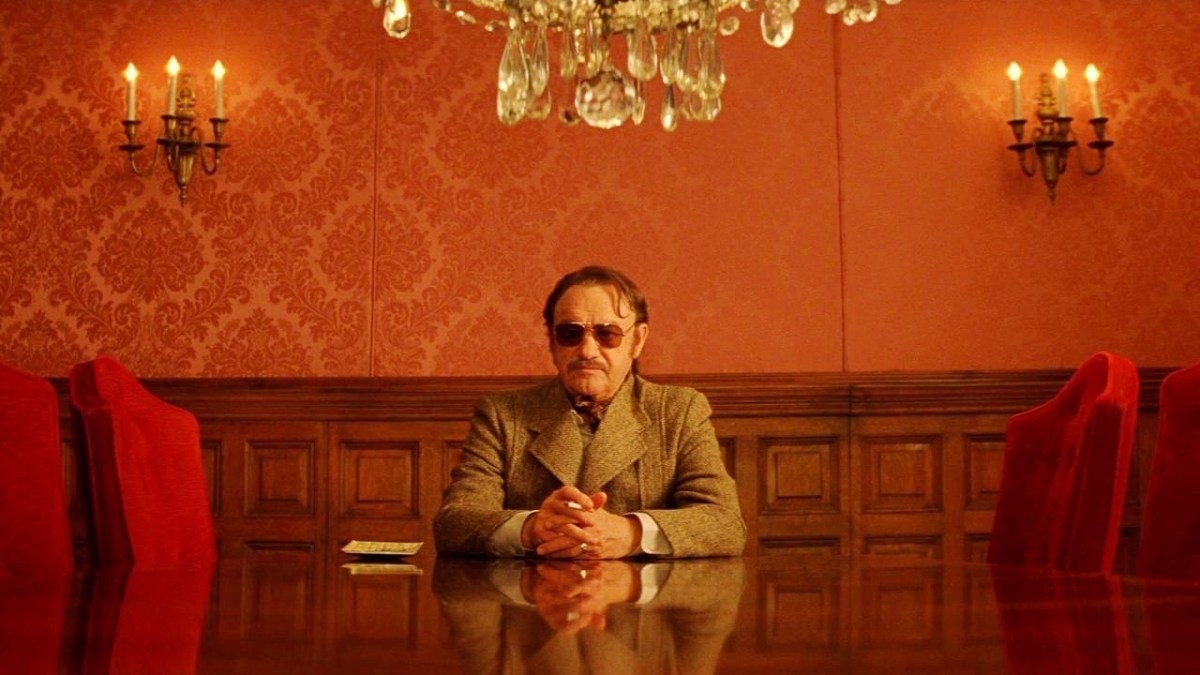
Possibly the finest and most fully-realised of his early works, Wes Anderson tells a quirky story about a family full of eccentric, estranged members looking for some measure of redemption and reconciliation.
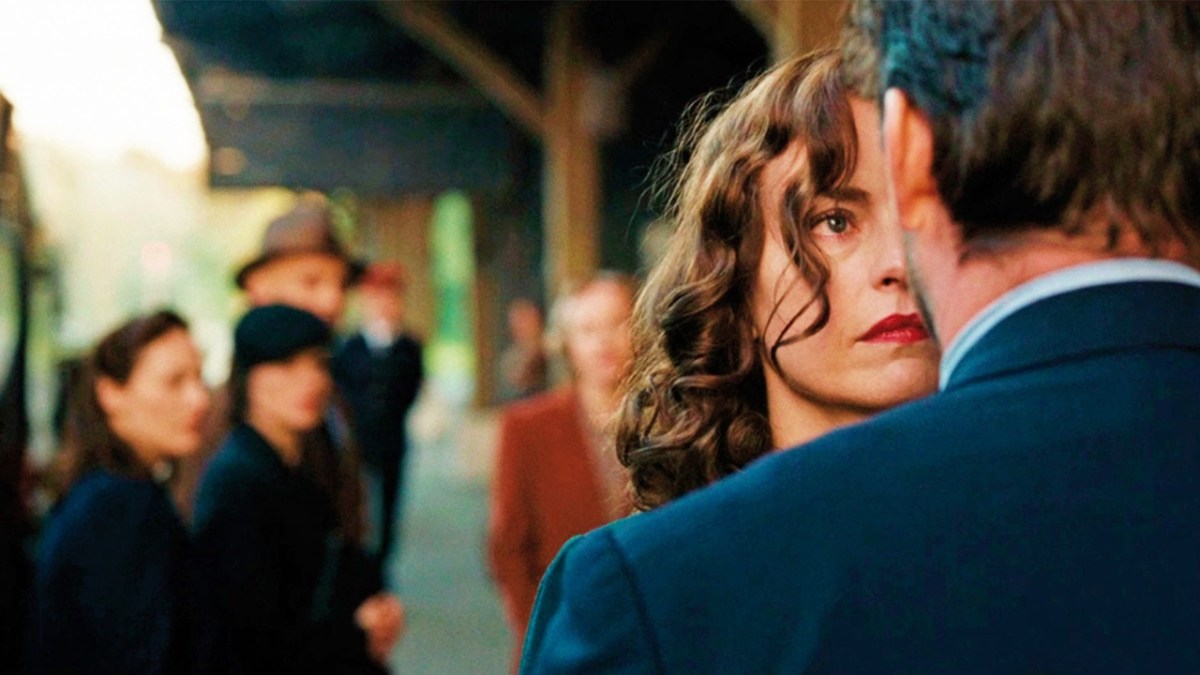
Petzold’s unique treatment of the doppelganger story as a Hitchcockian exercise in exorcising the Jewish-German trauma of WWII boasts an extraordinary denouement of unparalleled execution.

This is one of the franchise’s most daring entries—bloodier, gorier and more morally ambiguous.

Not as purely cinematic as some of his greatest works, but Ray manages to invoke feelings of introspection as a movie star gets a reality check from strangers—and fans—he encounters on a train.

Haneke’s shocking work daringly dissects the nature of love, sexual desire, sadomasochism and power with a fierce intelligence that is matched only by arguably Isabelle Huppert’s finest ever performance.

This is Haneke in peak form—made up of more than forty vignettes shot in long takes that combine to give us a fragmentary sense of what it feels like to live in a multi-racial yet racist, technological yet incommunicable post-2000s world.

There’s a lot of filmmaking artistry to appreciate, and so is the sizzling chemistry between Tony Leung and Zhang Ziyi in this follow-up to In the Mood for Love (2000).

