




Emotionally open yet somewhat thematically underwhelming, Chen’s sprawling conclusion to his “Growing Up” trilogy stops short of confronting the Singaporean class tensions lurking beneath its series of unfortunate events, but still ultimately finds quiet resonance in its characters.
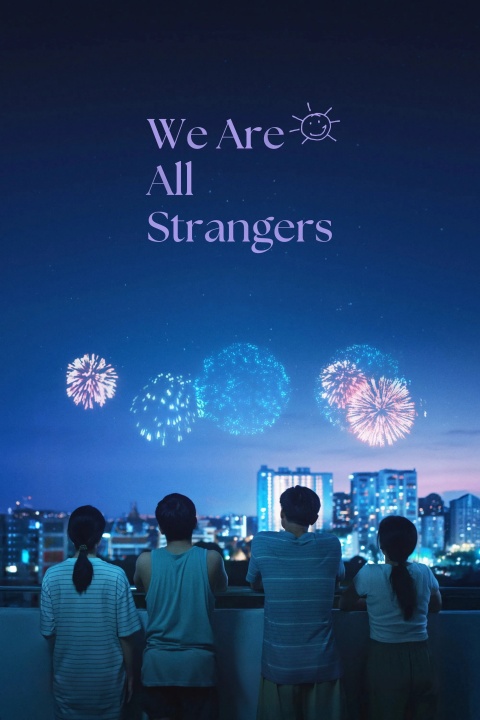
Review #3,099
Dir. Anthony Chen
2026 | Singapore | Drama | 157min | 1.85:1 | Mandarin & English
PG13 (passed clean) for some coarse language and sexual references
Cast: Yeo Yann Yann, Koh Jia Ler, Andi Lim, Regene Lim
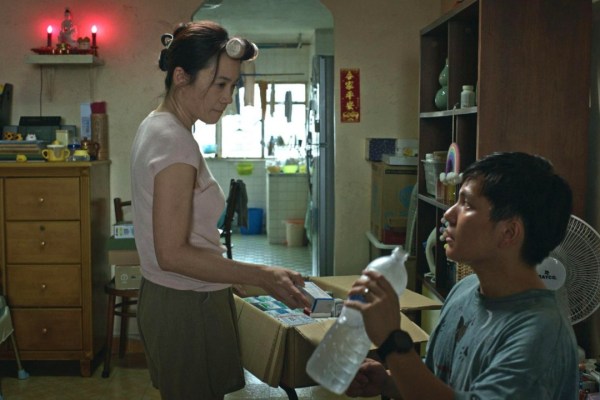
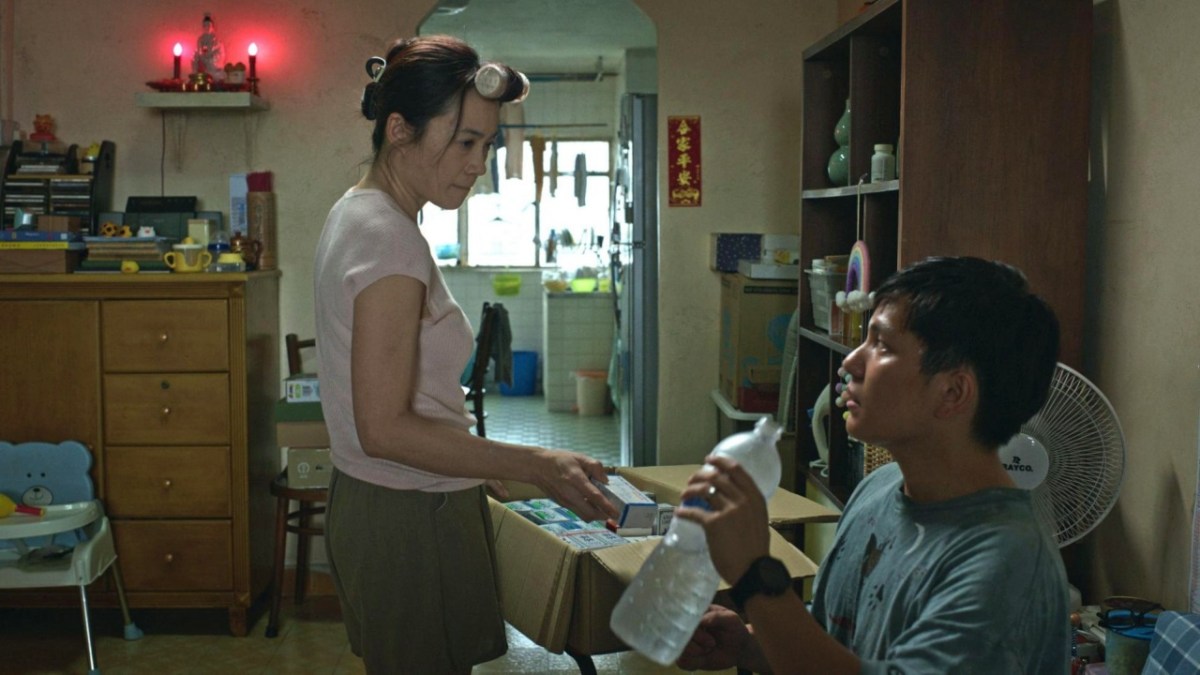
Plot: A life-altering event forces 21-year-old Junyang and his girlfriend to face reality. At the same time, while Junyang’s father is struggling to hold their modest life together, a woman enters his life and both generations are forced to redefine their family.
Awards: Nom. for Golden Bear (Berlinale)
International Sales: Paradise City Sales
Accessibility Index
Subject Matter: Moderate – Family in Crisis; Relationship Dynamics
Narrative Style: Slightly Complex
Pace: Slightly Slow
Audience Type: Slightly Mainstream
Viewed: In Theatres – Filmhouse
Spoilers: No
The first Singaporean film to compete in the main competition at the Berlinale, and also Anthony Chen’s longest film to date, We Are All Strangers comes with the kind of expectations typically reserved for more established auteurs. Does it meet expectations? Just barely, I think.
But will it succeed as a work that encourages more of our filmmakers to tackle sprawling dramas that somewhat belie their commercial intent? Only time will tell, and I hope so, because I think Singapore has been, for decades, such an interwoven web of peoples, places, cultures, languages, and histories, and as such, there are infinite quilt-like stories to explore.
But I see the real struggle in filmmakers trying to find something truly resonant or revelatory to tell that doesn’t primarily only interest them. We Are All Strangers can resonate with many because it is an emotionally open film. I felt invited to partake in the lives of these disparate characters, and I didn’t feel its 157-minute runtime.
However, it’s more difficult to argue that the film is revelatory. In fact, I think Chen’s previous works, particularly Ilo Ilo (2013) and The Breaking Ice (2023), are more interesting and quietly profound.
There is a missed opportunity here, which can be even more glaring if you didn’t quite take to the film emotionally. At its heart, We Are All Strangers is about an inciting incident that brings two sets of people “closer” to each other.
On one side, we have those who can barely make ends meet in our win-at-all-costs, cutthroat Singaporean society; on the other, those who regard anything even mildly disruptive to their lives with nothing but contempt. In other words, it’s the question of class, ego, and the transactional value of self-worth.
“Some people are terrible husbands, but at least they’re better fathers.”
Chen sets this up, but never really tackles it head-on like the crazy-side-effect-of-meritocracy monster that it is in our country. This is the single most debilitating social disease that Singapore is plagued with—most Singaporeans know but roll along with it, either as victim or aggressor.
Instead, We Are All Strangers opts for the familiarity of an escalating series of unfortunate events that put continuing pressure on its characters, particularly the more downtrodden and those with seemingly “less to lose”, though many will argue that that’s fine from a dramaturgical perspective, as viewers may have “more to gain” in the process of identification.
Lydia (Regene Lim), my favourite character and performance, is, to me, the film’s true protagonist. She’s unfortunately sidelined—as a rather well-to-do junior-college student hoping to clear her A-Levels with a strong shot at university, she represents that aspirational Singaporean youth who’s still naïve enough not to let the aforementioned class, ego, and the transactional value of self-worth get in the way.
Throughout Chen’s film, this might appear to be tested at the plot level when she is beset with a disruptive problem. Yet, deep down—in terms of characterisation and narrative integration—it isn’t quite. The issues in our society could have been reconciled or reimagined on film in more profound ways.
Perhaps I’m part of the problem—already expecting much more, when so much has been done and achieved already by Chen and his tireless team. Well, I had tears welling in my eyes at the film’s conclusion, and it wasn’t forced sentimentalism—that must surely count for something at least.
Grade: B
Trailer:

