



A deliriously exuberant and preposterous work of Tajik cinema, where cars, tanks, trains, and planes collide with trauma and black comedy, Khudojnazarov’s most renowned film recalls the best of Kusturica, as a woman sets out to find the mysterious father of her baby.
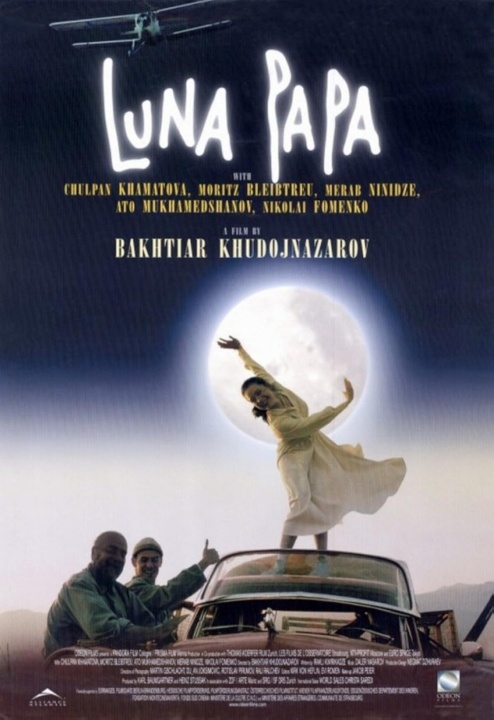
Review #3,103
Dir. Bakhtyar Khudojnazarov
1999 | Tajikistan | Drama, Comedy | 107min | 1.66:1 | Russian, Tajik & Uzbek
NC16 (passed clean) for some coarse language
Cast: Moritz Bleibtreu, Chulpan Khamatova, Ato Mukhamedzhanov
Plot: Mamlakat is an aspiring actress, sister to a mad brother who falls for the lies of an actor in a theater company passing through her village. After the guy promises to make her an actress, Mamlakat sleeps with him. He’s gone in the morning, but leaves behind undeniable proof of the night’s events…
Awards: Official Selection (Venice)
International Sales: Pandora Film
Accessibility Index
Subject Matter: Moderate – Communities; Family & Honour; Automobility
Narrative Style: Straightforward
Pace: Normal
Audience Type: Slightly Arthouse
Viewed: Screener (as part of Perspectives Film Festival 2026)
Spoilers: No
I’m delighted that my students will be presenting Luna Papa at the 2026 Perspectives Film Festival. This year’s theme is “Under the Hood”, as we explore automobility in cinema.
As a Central Asian title, it occupies an interesting spot in our programme, which will feature films such as The Wages of Fear (1953), Mad Max 2: The Road Warrior (1981), Crash (1996), Kaili Blues (2015), and more.
Directed by Tajik filmmaker Bakhtyar Khudojnazarov, Luna Papa might easily be mistaken for a film by Serbian director Emir Kusturica, whose Underground (1995) and Black Cat, White Cat (1998) similarly revelled in manic excess around the turn of the millennium.
Shot in a delirious mode that favours riotous scenarios over structured plotting, the film sustains a pronounced sense of exuberance throughout. Its liveliness feels like a far cry, though, from Khudojnazarov’s poetic debut feature, Bratan (1991), which is also essential viewing—especially if you love trains.
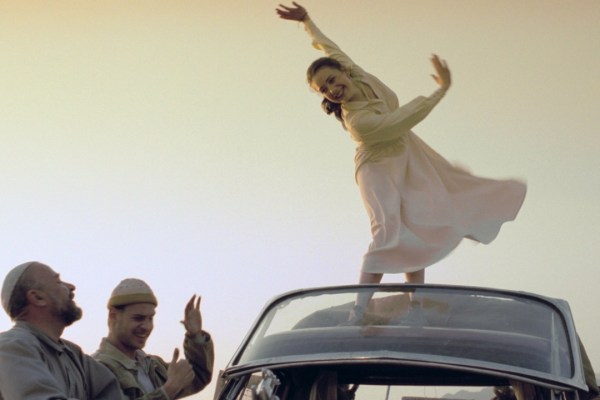
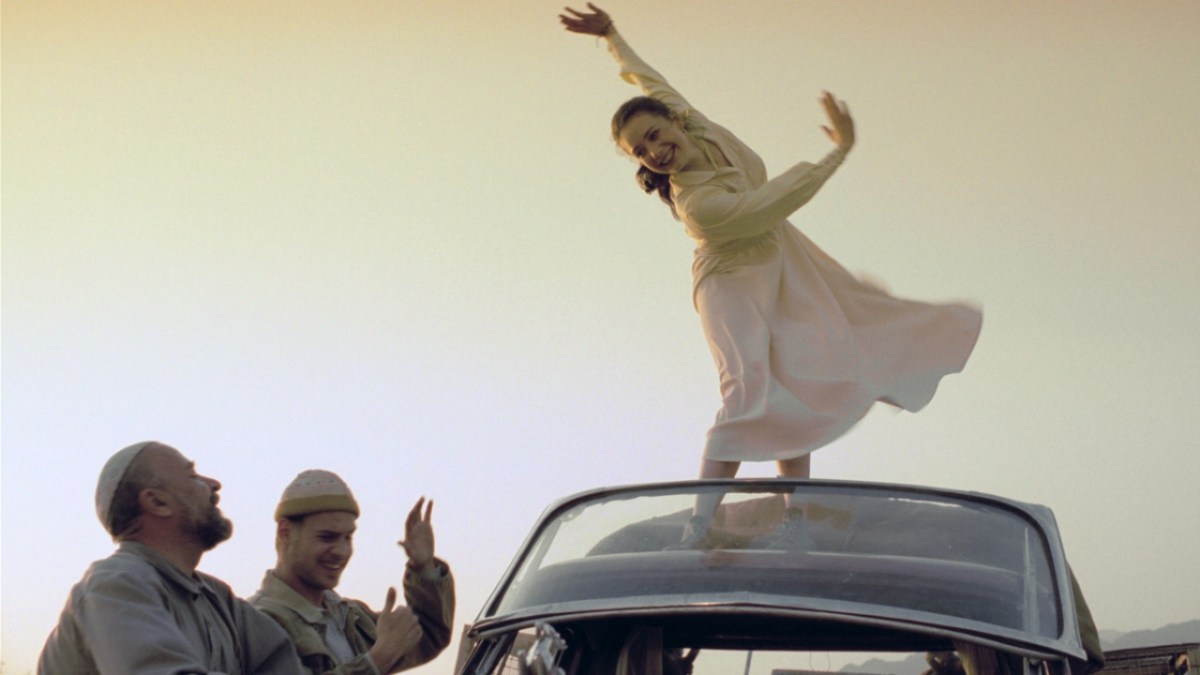
In Luna Papa, all manner of transport comes at the characters fast: cars, motorcycles, trains, tanks (yes, tanks!), and even the recurring propeller plane ferrying a nomadic theatre troupe that seems to be flying way too low for comfort.
“I have a little boy or girl sitting in my tummy.”
Some shots defy belief, such are the ways these giant machines fly or swerve in every conceivable direction. There is even a jaw-dropping scene of a guy hanging off the plane in an attempt to grab a grazing sheep.
The filmmaking may be crazy at times, but at its heart is an even more absurd story of a woman—played by Chulpan Khamatova in a mesmerising, skittery performance—who becomes mysteriously impregnated.
With the prospect of her family’s honour being forever stained, she, her aggressive father, and aloof brother set out to find the elusive father of the baby. We also hear the unborn child’s thoughts. Well, it’s really that kind of film—exhilarating, preposterous, with all comedic guns blazing.
Yet beneath the craziness, Luna Papa also bears traces of the trauma of the post-Soviet collapse, albeit more implicitly. While the sight of a speeding tank might initially seem amusing, it also recalls the recently concluded Tajik Civil War (1992–97).
Mostly set amid rural landscapes and stunning vistas, the film evokes a society fractured by the kinds of regional and factional conflicts that marked the war. As if taking a leaf out of Kusturica’s maximalist Underground, Khudojnazarov uses rowdy black comedy to outsized effect, finding absurdity amid the chaos.
There is little doubt that Luna Papa remains a key work of ’90s Tajik cinema.
Grade: A-
Trailer:
Music:

