
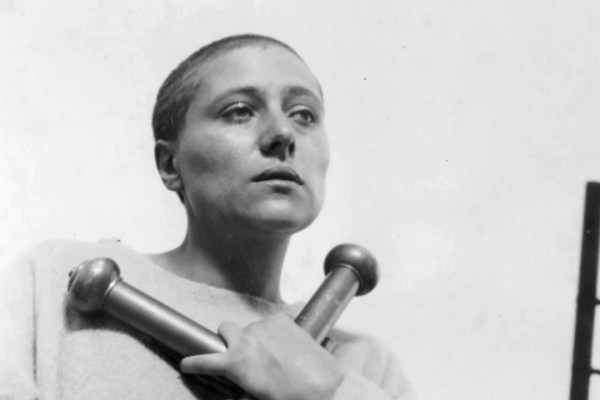

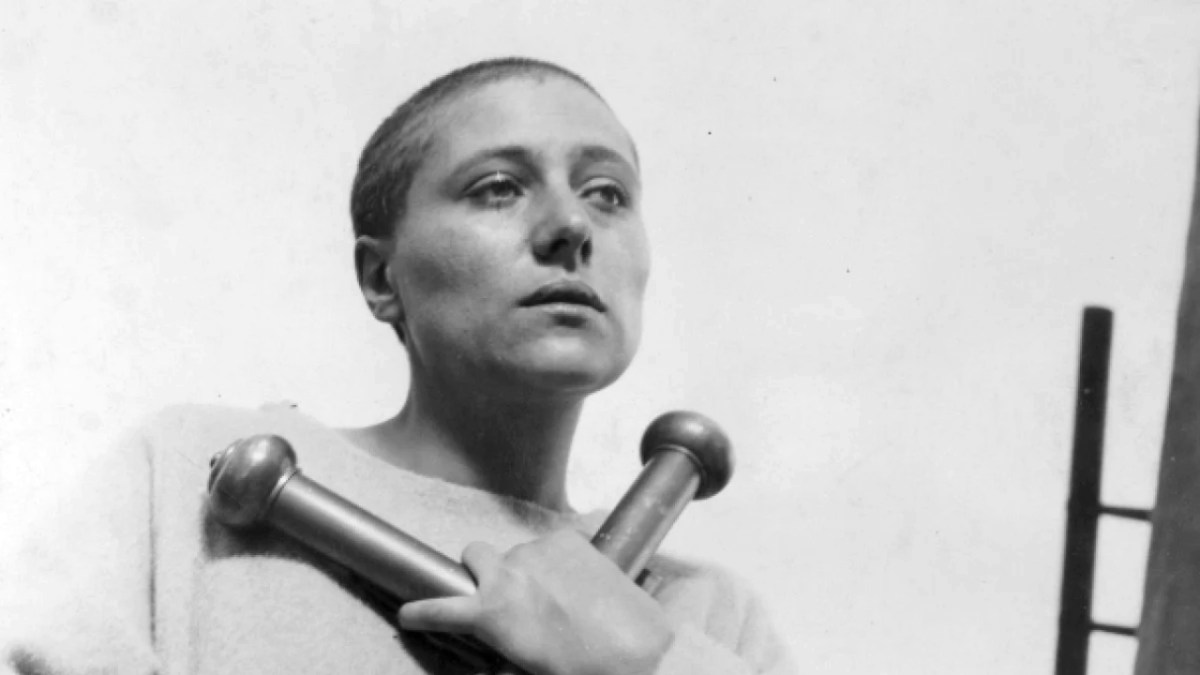
Dreyer’s transcendent silent masterwork remains as formally radical, visually overwhelming, and spiritually profound as ever—a film whose eternal close-ups seem to abolish the century between then and now.
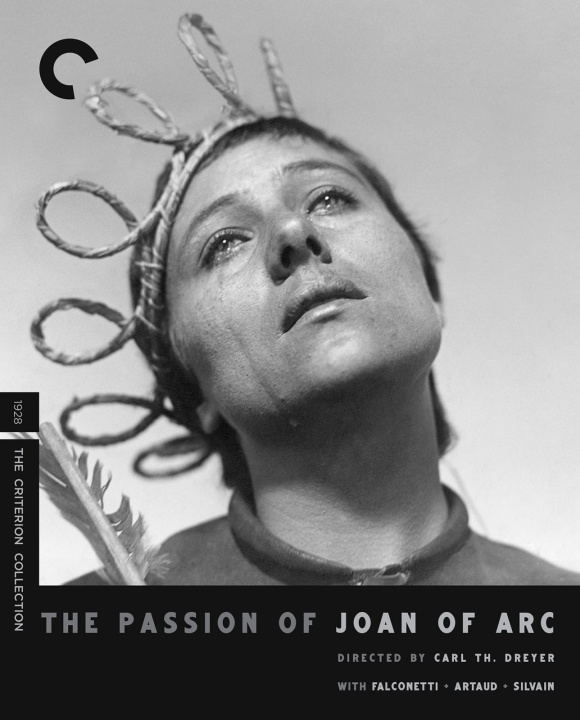
Review #3,105
Dir. Carl Theodor Dreyer
1928 | France, Denmark | Drama, Biography, History | 81min | 1.33:1 | Silent
PG (passed clean)
Cast: Maria Falconetti, Eugene Silvain, Andre Berley
Plot: In 1431, Jeanne d’Arc is placed on trial on charges of heresy, and the ecclesiastical jurists attempt to force her to recant her claims of holy visions.
Awards: –
Distributor/Source: Gaumont
Accessibility Index
Subject Matter: Moderate – Joan of Arc; Faith & Spirituality; On Trial
Narrative Style: Straightforward
Pace: Normal
Audience Type: Slightly Arthouse
Viewed: Criterion Blu-ray
Spoilers: No
Truth be told, this was not my first screen encounter with the “Joan of Arc” story. It was Bruno Dumont’s tonally jarring Jeanette: The Childhood of Joan of Arc (2017), a fervent if wearisome work told as a sledgehammer-style period musical with heavy metal and rock elements.
By contrast, my second encounter was Robert Bresson’s lesser-known The Trial of Joan of Arc (1962), a minimalist film that is startlingly clear in its distillation of the moral essence surrounding the infamous trial.
Then there is Carl Theodor Dreyer’s work from the silent era, as legendary as they come, starring Renee Falconetti in the titular role in what many film historians have regarded as one of the finest screen performances of all time. So many superlatives have been showered on Dreyer’s film, yet they all seem eternally true once the opening images light up whatever screen it appears on.
Be it in the cinema, on television, or on your laptop, The Passion of Joan of Arc is suited to viewing in any mode because of its visual style—full of close-ups that amplify the human face in all its heightened sorrow and distress.
Formally radical at the time, Dreyer’s film feels timeless and modern today. Its pacing, economical and to the point, is also remarkably efficient, whether presented at the original 20 frames per second or the more urgent 24 frames per second.
“Dear God, I accept my death gladly but do not let me suffer too long. Will I be with You tonight in Paradise?”
I watched the 24-fps version, with Richard Einhorn’s “Voices of Light” choral-orchestral accompaniment, which lends a sense of abject tragedy through grand classicist aural gestures.
The other two versions included in the Criterion Collection edition are a solo piano accompaniment by pianist Mie Yanashita, ideal for cinephiles who prefer something much less sonically overwhelming; and a “modern-sounding” avant-garde score by Goldfrapp’s Will Gregory and Portishead’s Adrian Utley that is dynamic and deeply intense.
There is no ideal way to experience The Passion of Joan of Arc—heck, some purists may prefer to see the film completely silent. In any case, the images speak for themselves.
A work of transcendent spirituality, it portrays one wronged woman sentenced to death by burning at the stake for blasphemously asserting that she is a vessel of God who will save France from marauding English. The Passion of Joan of Arc remains an essential piece of the silent cinema canon, and it will turn 100 in two years.
Grade: A
Trailer:
Music:

