





A bleak-as-hell meditation on gender identity and trauma, this Berlinale entry finds unexpected grace amid the spectre of the Thirty Years’ War, religious oppression and misogyny, with Sandra Hüller delivering a virtuoso cross-gender performance.
Review #3,100
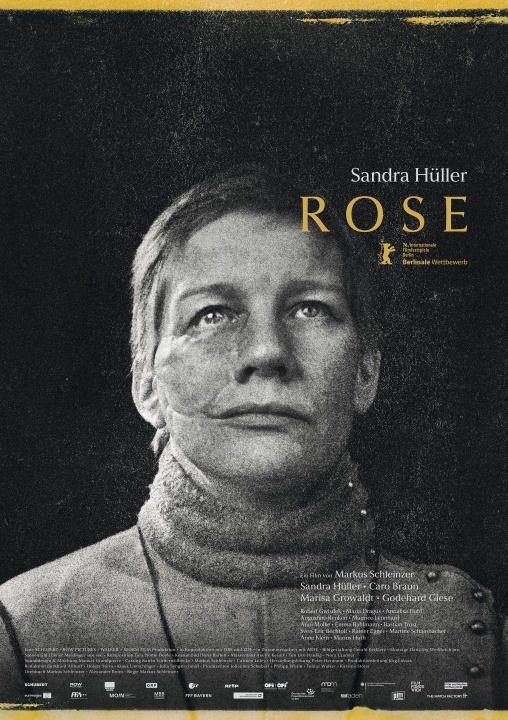
Dir. Markus Schleinzer
2026 | Austria, Germany | Drama | 94min | 1.85:1 | German
M18 (passed clean) for sexual scene and some nudity
Cast: Sandra Huller, Caro Braun, Marisa Growaldt
Plot: In the early 17th century, a soldier arrives at an isolated Protestant village in Germany claiming to be the heir to an abandoned farmstead. Even though he proves to be a good man, the villagers’ suspicions about his identity grow and they force a reckoning.
Awards: Won Silver Bear for Best Leading Performance & Nom. for Teddy Award (Berlinale)
International Sales: The Match Factory
Accessibility Index
Subject Matter: Slightly Dark – Gender Identity; Trauma & Oppression
Narrative Style: Straightforward
Pace: Slightly Slow
Audience Type: Arthouse
Viewed: Screener
Spoilers: No
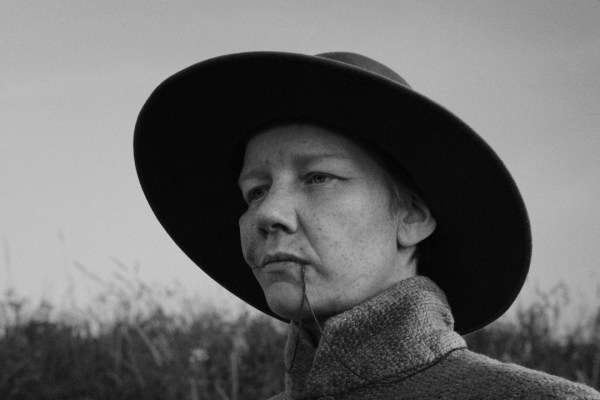
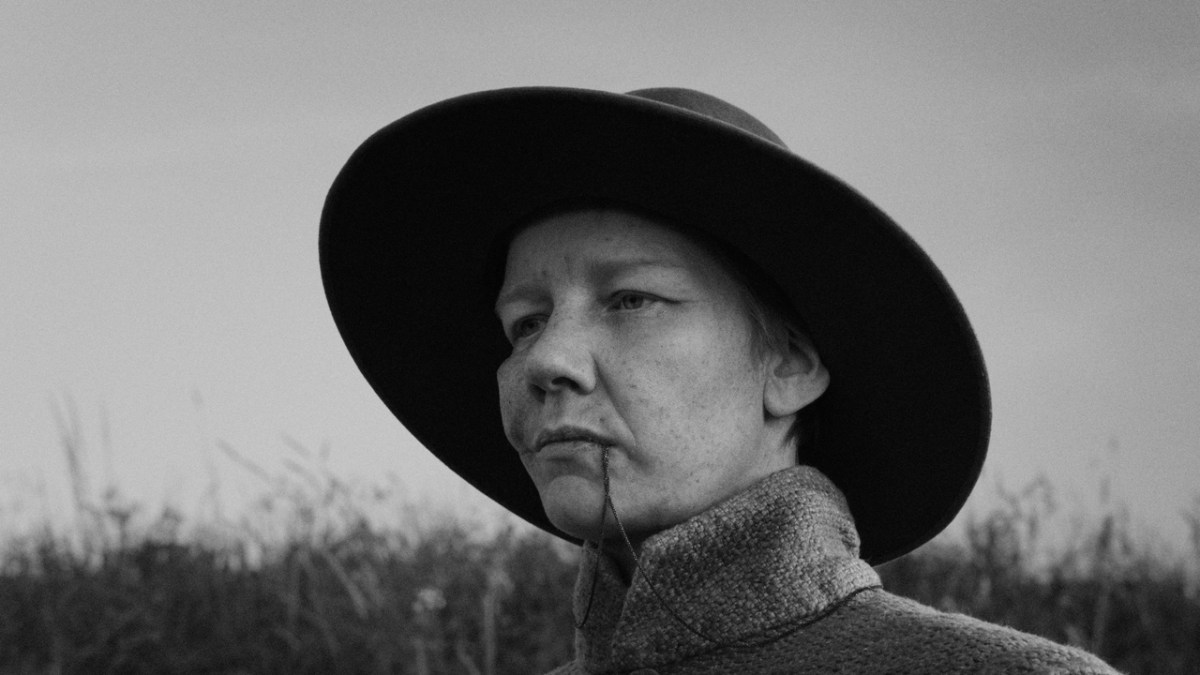
It’s funny how, when I first saw Sandra Huller in a solitary promotional still released for Rose ahead of its world premiere at the Berlinale, I thought she already had one hand on an acting prize (and indeed she won the Silver Bear for Best Leading Performance).
An acting powerhouse and one of the most consummate actresses of her generation, Hüller, like Tilda Swinton (Orlando, 1992) and Cate Blanchett (I’m Not There, 2007) before her, pulls off a cross-gender performance with such virtuosity that you simply surrender to every moment she’s onscreen.
Unlike those two formally exuberant films, Rose is decidedly austere, minimalist, and bleak-as-hell. Think Michael Haneke’s severe and ominous The White Ribbon (2009) meets the elemental spirituality of Tetsuichiro Tsuta’s Black Ox (2024).
Huller plays the titular protagonist, a woman who disguised herself as a man and fought as a soldier in the infamous Thirty Years’ War of the 17th century, and appears mysteriously, still disguised, in an isolated village, claiming to have documents establishing her inheritance of an abandoned house.
The wary villagers slowly warm up to “him”, and soon, “he” marries a local woman. Rose’s stoic demeanor, the product of someone who has endured considerable trauma, allows her to navigate a new life as a man with emotional restraint. Psychologically, the masquerade is a burden, with the persistent fear of being found out.
“One is a female, but pretended to be a man.”
Director Markus Schleinzer envelops her in a perpetual gray, whether in close-ups or extreme wide shots, each shot lingering far longer than usual. It’s the grinding pace of those days—the labour of farming, the spectre of war, religious oppression, the village’s witch-hunt, and misogyny.
Rose does start off slow, and it can take a while to get into its rhythm; at some point, however, you won’t feel like you want to leave it, as it plods along to an inevitable denouement that is surprisingly marked with grace.
The Thirty Years’ War was one of the most devastating conflicts in European history, with estimates of its death toll ranging from 4.5 to 8 million, the vast majority of them civilians.
In Rose’s world, one scarred by brutal persecution and salvaged through fleeting peacefulness, there are no distinctions of religion, politics, gender, or hegemony—only one’s body, mind, and soul as leverage.
As such, what I love most about Schleinzer’s work is that veiled suggestion of an imaginary utopia, where it is, of all people, two women in a marriage by deception who find the most unbridled of freedoms.
Grade: A-
Trailer:
Music:

