







Anchored by two child performances of astonishing veracity, this is an affecting, vividly nostalgic portrait of mid-’90s Singaporean childhood, finding beauty in everyday mischief and the resilience of two young sisters navigating a fractured family.
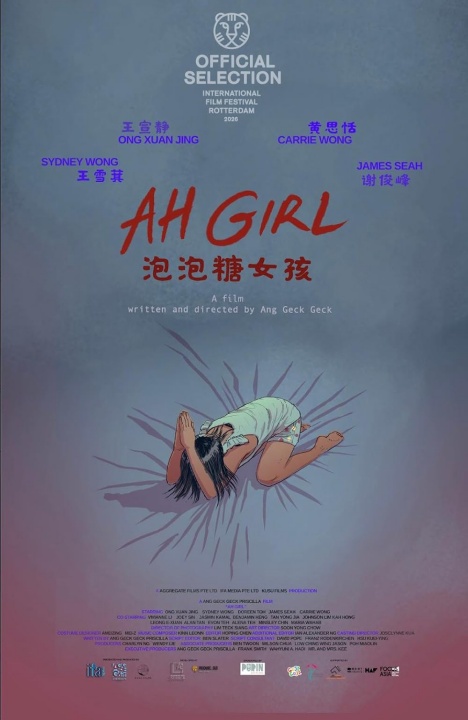
Review #3,107
Dir. Ang Geck Geck
2026 | Singapore | Drama | 99min | 1.37:1 | Mandarin & English
PG13 (passed clean) for some coarse language and sexual references
Cast: Ong Xuan Jing, Sydney Wong, Carrie Wong, James Seah, Doreen Toh
Plot: In 1994 Singapore, a perceptive seven-year-old girl navigating the aftermath of her parents’ marital dissolution faces a severe existential crisis when her erratic, estranged mother offers an unstable proposal for custody, permanently altering the child’s perception of domestic normalcy.
Awards: Won Youth Jury Award (Rotterdam); Nom. for 3 Golden Horse Awards – Best New Director, Best New Performer & Best Adapted Screenplay
International Sales: Aggregate Films
Accessibility Index
Subject Matter: Moderate – Mid-’90s Singapore; Family in Crisis; Childhood
Narrative Style: Straightforward
Pace: Normal
Audience Type: Slightly Mainstream
Viewed: Filmhouse – Singapore International Film Festival
Spoilers: No
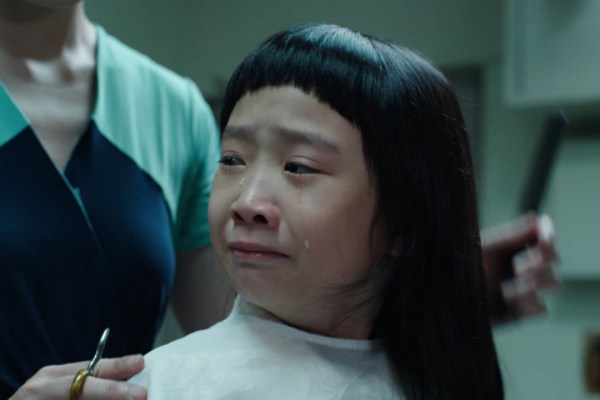
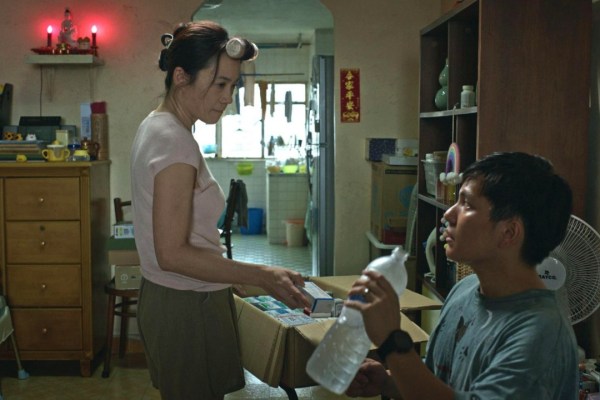
Set around the time when I was still in kindergarten and about to enter Primary 1, and marked by the infamous Michael Fay vandalism case in Singapore, Ah Girl spoke to me in ways that only cinema can. For one, its recreation of the past triggered a flood of memories of my own childhood growing up in the early to mid-’90s.
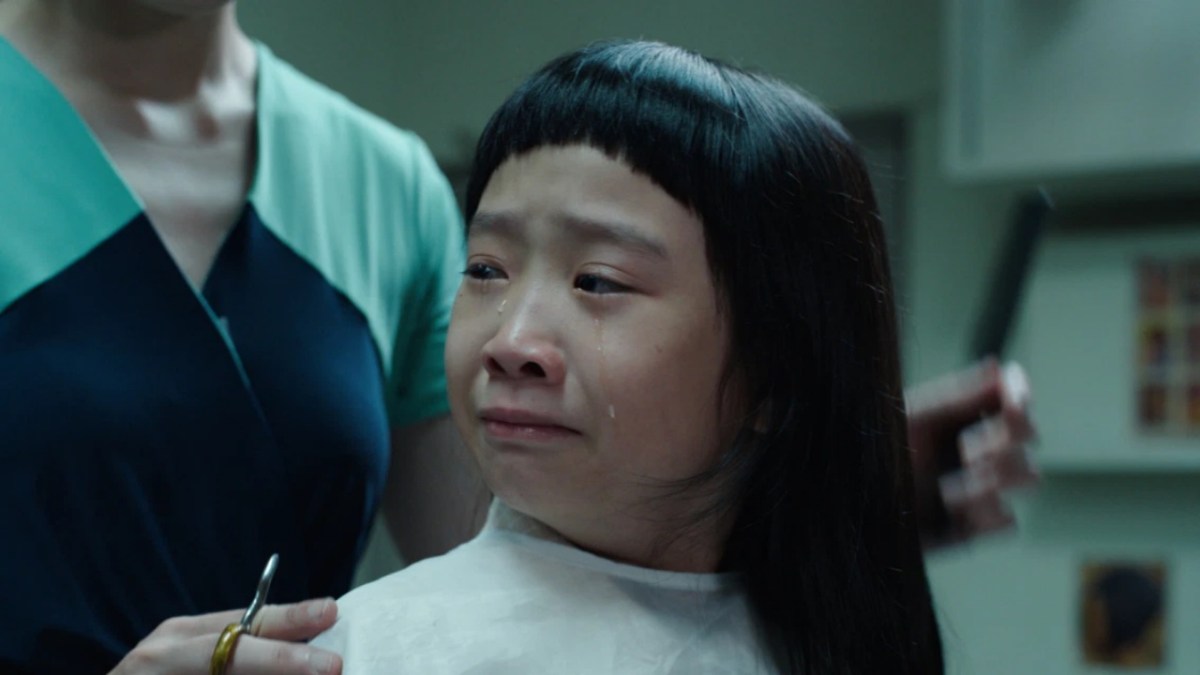
Quite a fair bit of what I saw in director Ang Geck Geck’s first feature was something I had experienced one way or another: screaming into a moving fan to create annoying sounds; swinging aggressively on an outdoor swing at my aunt’s place during family gatherings; making a wet mess of the house toilet without the slightest remorse; clandestinely drinking from my younger sibling’s cup; fighting with said sibling at every given opportunity and blaming the other for starting it; hating trips to the barber; having a crush on someone at school, etc.
The list goes on, but Ang’s work is not merely a sheet of checkboxes to be ticked; it is a living, breathing piece of nostalgia, reminding me acutely of Tan Siyou’s Amoeba (2025), which I loved deeply last year, and, to some extent, Anthony Chen’s Ilo Ilo (2013), another personal favourite. I would even go so far as to suggest that this trio of films could be regarded as Singapore New Wave 2.0’s unofficial “Growing Up” trilogy.
Swee Swee, the titular character of Ah Girl, is played with astonishing veracity by Ong Xuan Jing, alongside her younger sister Ah Tian (Sydney Wong), whose wonderful chemistry with Ong remains arguably the film’s greatest asset. Both girls, however, are living on borrowed time—and in borrowed spaces—as their parents have split.
“Don’t grow up so fast. Adults are always so confused.”
Faced with the possibility of suffering the same fate of being separated from each other, Swee Swee and Ah Tian must find other ways to seek joy, even as they move from one apartment to another.
Ang’s film has the familiar slice-of-life quality that has permeated many local short films and features about the struggles of family life. But what makes it stand out isn’t merely the naturalism of the performances or the fleeting moments of feverish euphoria. Rather, it is the film’s loose, organic momentum that propels the story forward.
While Swee Swee may struggle at times with reading and writing, she is perceptive enough to recognise that the adults around her are regressive and, ironically, childish: they throw tantrums, spite one another, and rarely consider the consequences of their actions.
She is hardly blameless herself, but Swee Swee possesses something the adults seem to have lost: the ability to embrace the future and lean forward.
Grade: A-
Trailer:

