
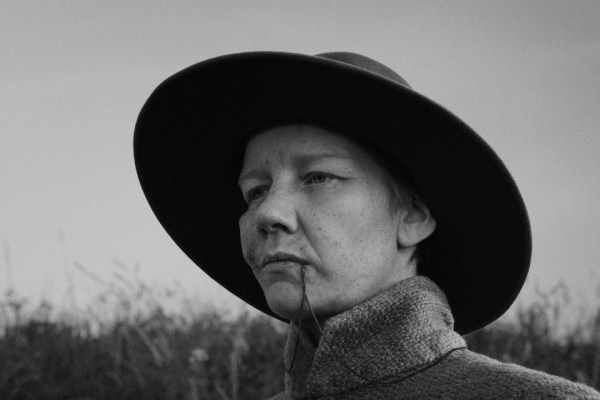

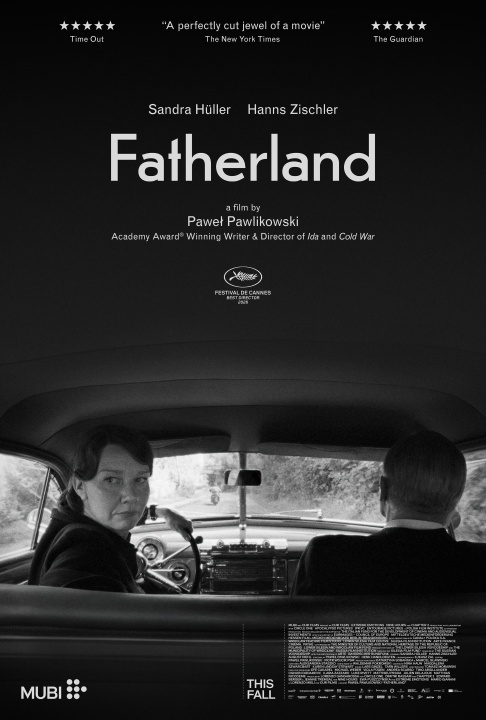
Home, identity, and cultural responsibility become complex psychological hurdles for Thomas Mann in Pawlikowski’s deceptively straightforward “road movie”, as the exiled literary celebrity returns to an ideologically divided post-WWII Germany.
Review #3,106
Dir. Pawel Pawlikowski
2026 | Poland, Germany | Biography, Drama, History | 82min | 1.37:1 | German, English & French
NC16 (passed clean) for some mature content
Cast: Sandra Huller, Hanns Zischler, August Diehl
Plot: In 1949, German writer Thomas Mann and his daughter Erika embark on a road trip across a Germany in ruins, from US-dominated Frankfurt to Soviet-controlled Weimar.
Awards: Won Best Director & Nom. for Palme d’Or (Cannes)
International Sales: The Match Factory
Accessibility Index
Subject Matter: Moderate – Thomas Mann; Post-WWII Germany; Political Ideology; Home & Identity
Narrative Style: Straightforward
Pace: Slightly Slow
Audience Type: Slightly Arthouse
Viewed: Filmhouse – German Film Festival
Spoilers: No
Finally, a Paweł Pawlikowski film that I can get on its wavelength. While I appreciated the artistry of Ida (2013) and Cold War (2018), I found them somewhat underwhelming, though I’d like to revisit them someday.
Fatherland, however, resonated with me far more readily. I’m not sure why. Perhaps because it’s about Thomas Mann, whom I knew little about until last year, when I reviewed Visconti’s Death in Venice (1971) and found the film narratively and thematically fascinating.
Or perhaps it’s because the historical and political circumstances of post-WWII Germany have long intrigued me, particularly the ideological divisions that emerged as the country came under Allied occupation. Or just maybe because I found the denouement musically striking.
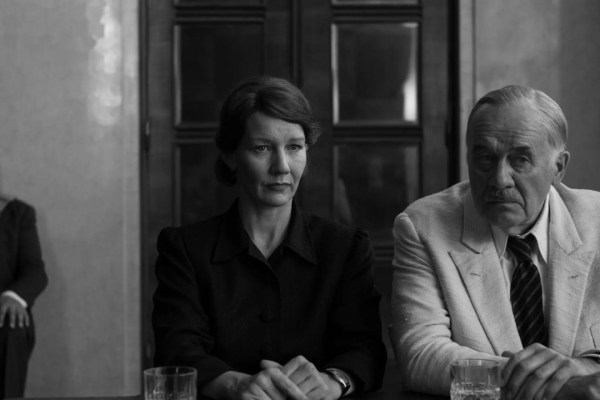
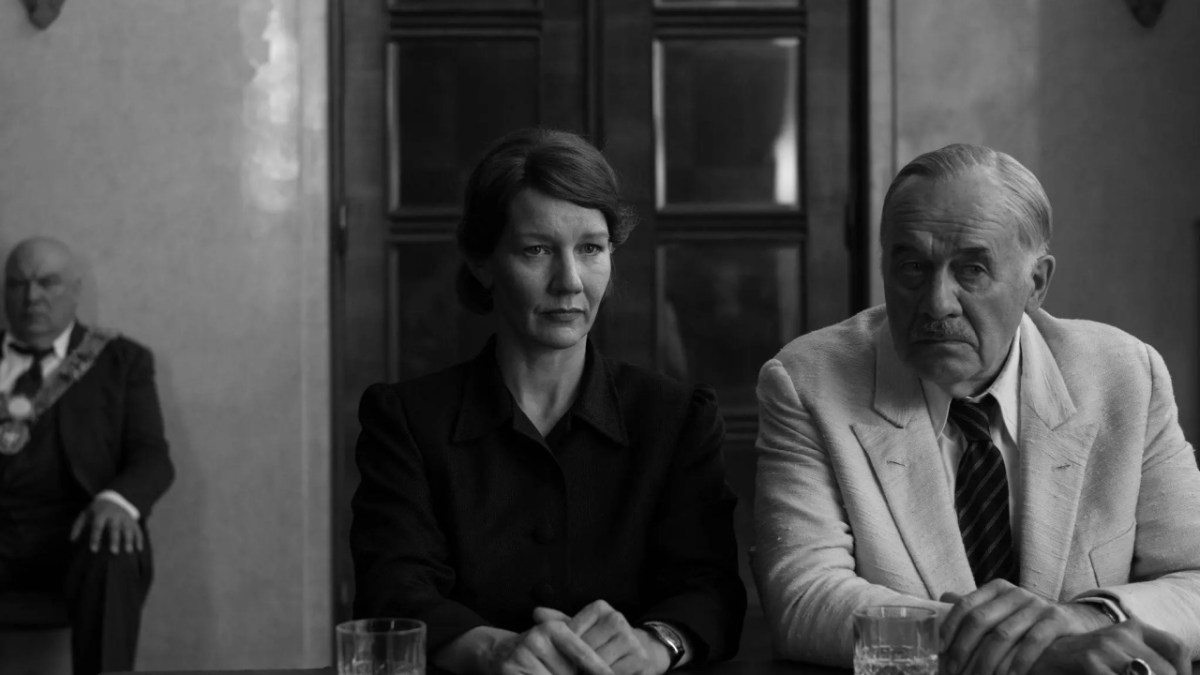
There is a lot to enjoy in Fatherland if you don’t mind its slow pacing. Mann, played with solemn restraint by Hanns Zischler (of Wenders’s Kings of the Road [1976]), is treated as the Nobel Prize-winning literary celebrity that he was.
In 1949, he returned to Germany from exile to attend celebrations marking the 200th anniversary of Goethe’s birth. He is accompanied by his daughter Erika (Sandra Hüller, in typically formidable form), though in real life, his wife Katia tagged along instead.
“This whole trip was a terrible idea.”
Taking artistic liberties, Pawlikowski thus places a father-daughter relationship at the forefront of a story set against the larger political machinations of the time, particularly the ideological split between West and East Germany. Home, identity, and cultural responsibility consequently become complex psychological hurdles for Mann to overcome.
As an anti-Nazi intellectual wielding considerable cultural influence, Mann is courted by both the Americans and the Soviets to endorse their respective camps, though he resists being enlisted by either side. Fatherland tracks his road journey from West to East, with breathtaking scenery to die for.
Pawlikowski successfully evokes a sense of history through period detail, but amid the impassioned songs and dances, alongside powerful speeches, it is the silences that resonate most uneasily, as though the spectres of fascism, death, and destruction threaten to overshadow Germany’s extraordinary cultural heritage.
It is against this uneasy backdrop that Bach’s immortal “Jesu, Joy of Man’s Desiring” sounds more mortal than ever, as Pawlikowski imbues the music with a tension between belonging and burden that Mann may never be able to reconcile. Sublime.
Grade: A-
Trailer:
Music:

