


Arguably Terrence Malick’s greatest work – a masterpiece of light and darkness, calmness and brutality, and the intertwining of both, in this singular war film.
Continue reading →

Arguably Terrence Malick’s greatest work – a masterpiece of light and darkness, calmness and brutality, and the intertwining of both, in this singular war film.
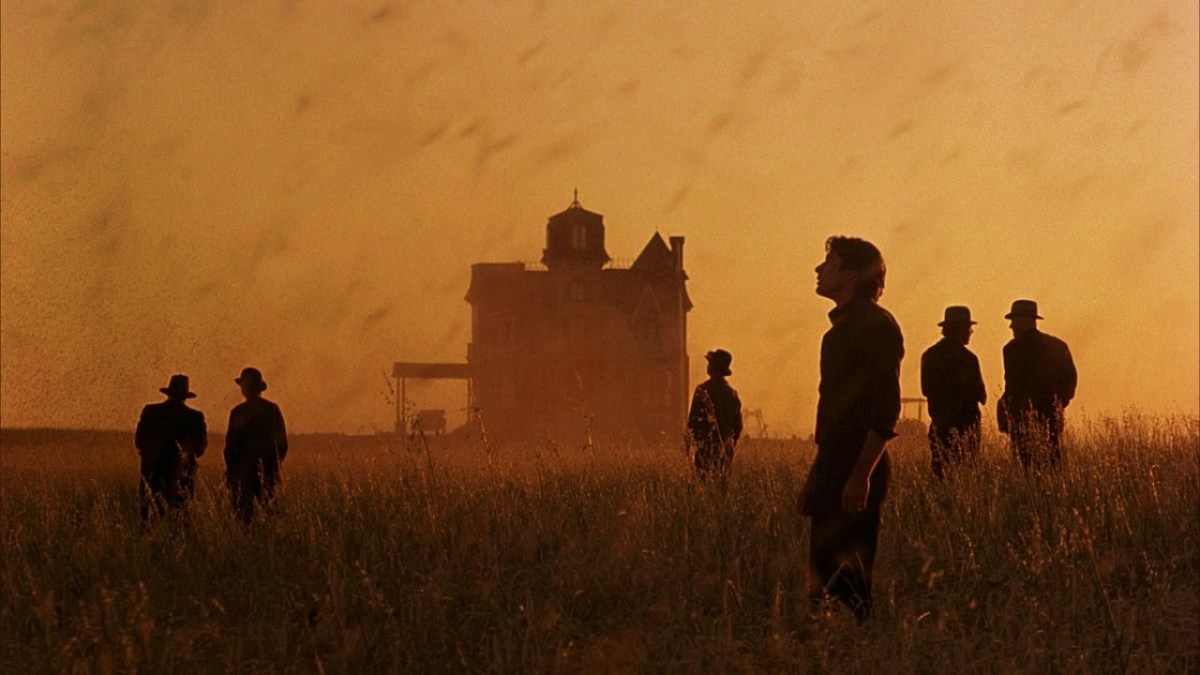
Malick’s second feature, an understated but contemplative effort, remains to be one the most beautifully shot films in the history of cinema.

Shot in intimate 16mm, this is one of Baumbach’s finest and tightest dramedies, about a family of four trying to navigate an inconvenient but necessary divorce, backed by all-round excellent performances by the main cast.
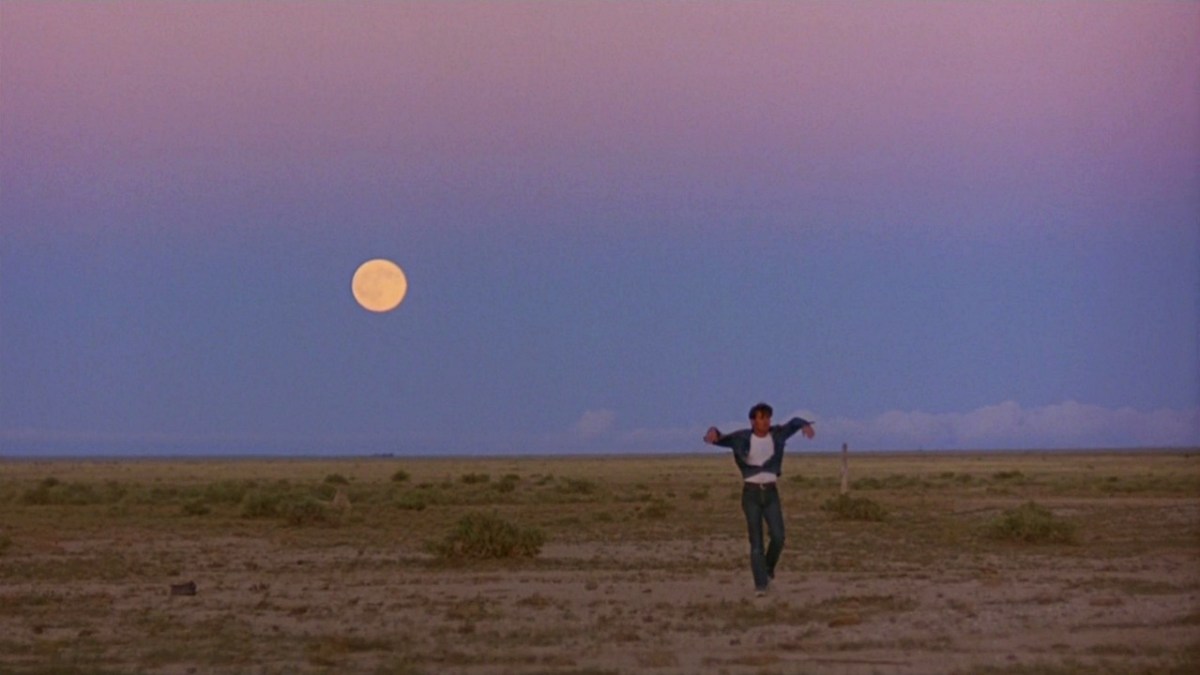
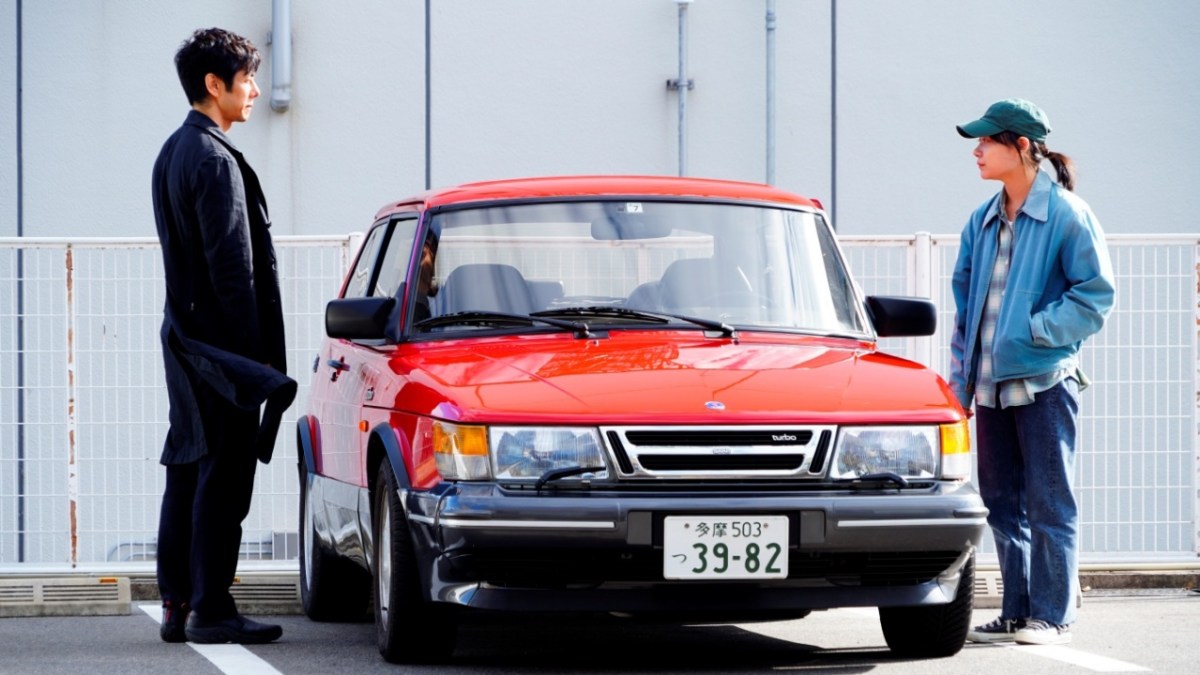
Three hours fly by in Hamaguchi’s gentle Cannes Best Screenplay winner—a highly-layered and nuanced take on the unresolved regrets and guilt that stay deep within us and the affordances of performance art and unlikely acquaintance as catharsis.

Oshima confidently mixes eroticism with the supernatural in this beautifully-shot murder-cum-ghost tale that is rich in old-world atmosphere.
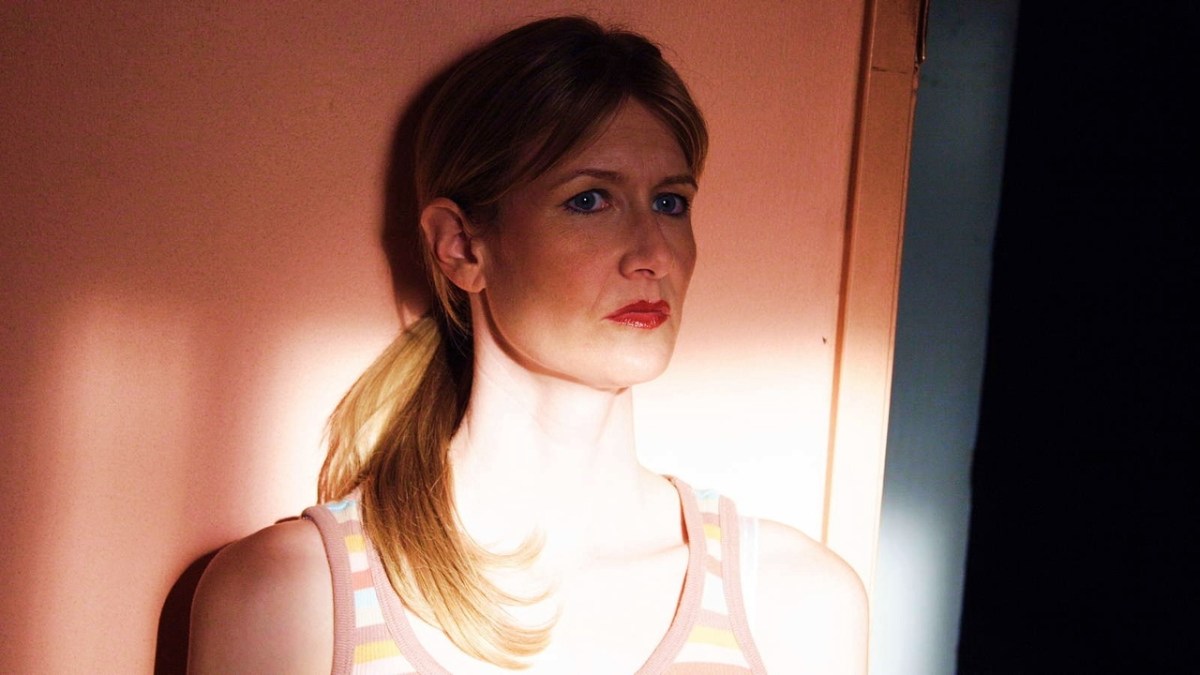
Spectral, hallucinatory images abound as Lynch boldly and abstractly experiments with digital video in what could be his most nightmarish and impenetrable odyssey into the dark recesses of the mind since 1977’s Eraserhead.
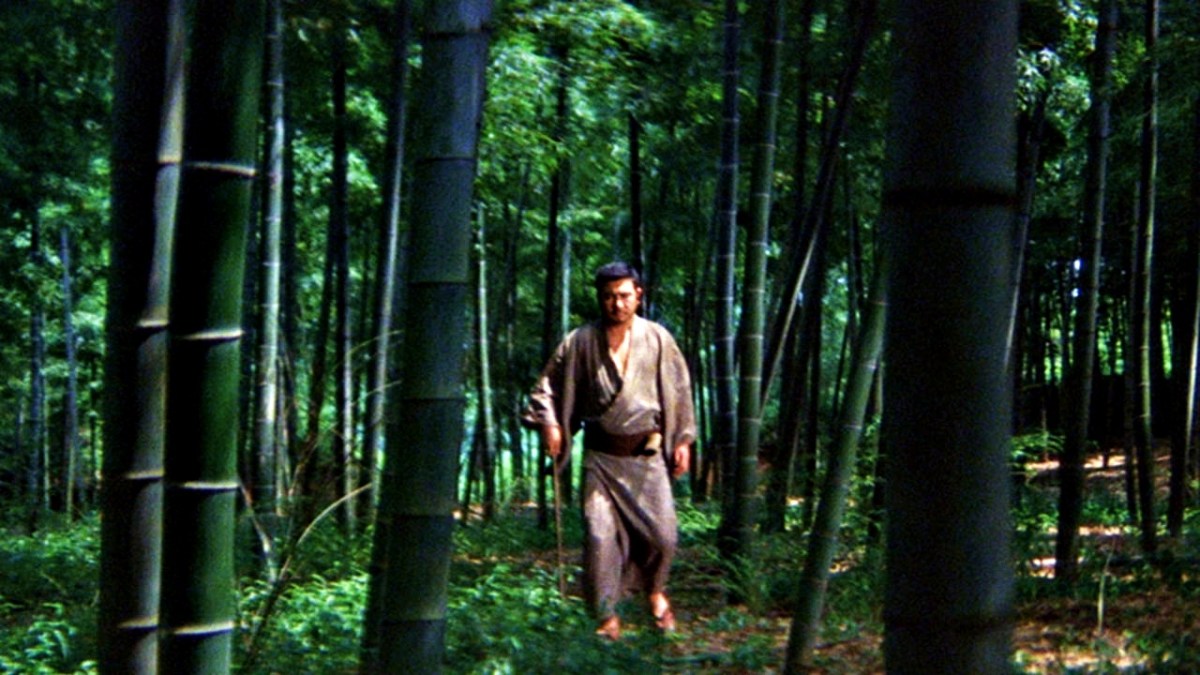
This mostly decent 18th installment balances drama with sharp swordfighting action in what is a decidedly darker film in tone.

One of the most notorious films in the history of cinema—its explicit, unsimulated depiction of sex hides a troubling exploration of social alienation.

Perverse, disturbing and chilling, but also essential, Pasolini’s controversial final film evokes both disgust and fascination in equal measure.

