

A familiar if exposition-heavy anime that prides itself in being remarkably composed with its sheer beauty and breathtaking visuals.
Continue reading →
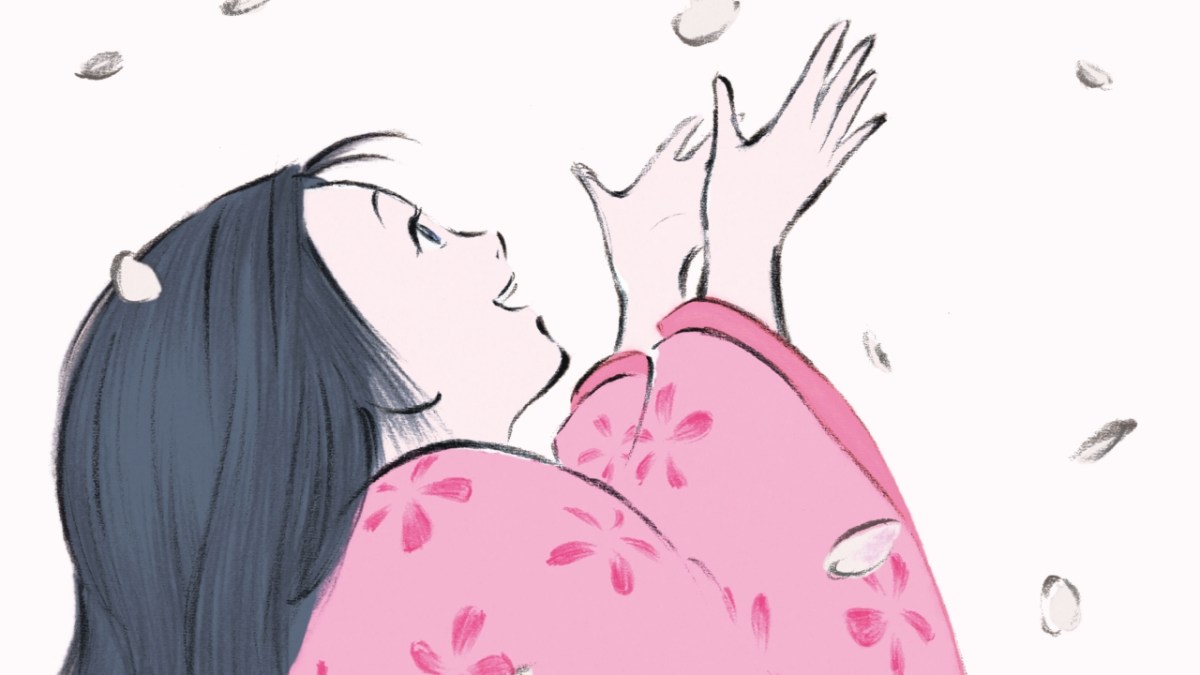
A familiar if exposition-heavy anime that prides itself in being remarkably composed with its sheer beauty and breathtaking visuals.

My favourite Isao Takahata—a poignant and nostalgia-tinged tribute to memory, time, childhood and love in what could be Studio Ghibli’s finest work.

This easy-going if poor entry doesn’t quite contribute much to Zatoichi’s characterisation, nor does it have an involving premise.

One of the greatest of all Japanese anime from the master Isao Takahata, this holds enough emotional power to reduce any grownup into a sobering mess.

While it is a rather entertaining treatise on the extremes of power abuse, and contains the usual violent, sexual and immoral provocations that have characterised Sion Sono’s output, it ultimately doesn’t cut deep enough to be a rewarding experience.
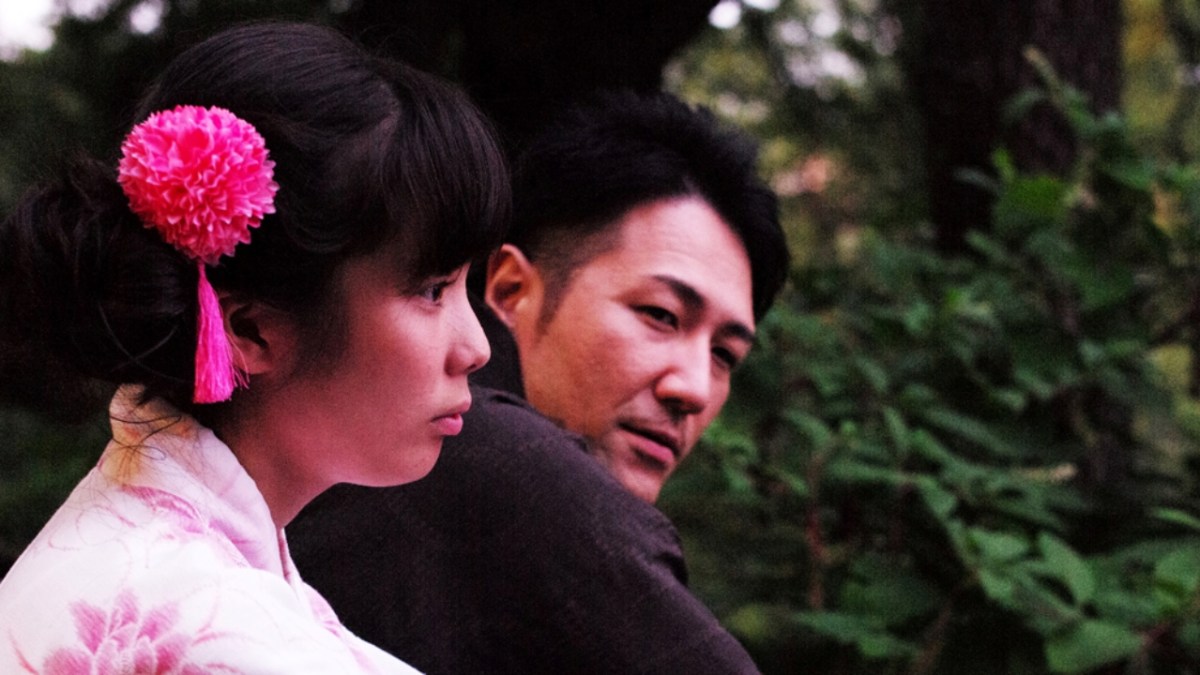
While it may be rather underwhelming, Herzog’s gentle docu-fiction explores our need to connect with another human being despite the increasing commodification of human experiences in modern societies.

This tenth instalment goes into darker territory with forced prostitution as one of its themes, but Zatoichi is in a serious mood to right wrongs with several well-choreographed fight scenes in store.

The best parts of this decent Hollywood-style samurai epic are the heart-to-heart conversations between Tom Cruise and Ken Watanabe, backed by a lush, emotional score by Hans Zimmer.

The theme of the ‘father figure’ dictates the narrative of this decent 9th instalment of the ‘Zatoichi’ series.
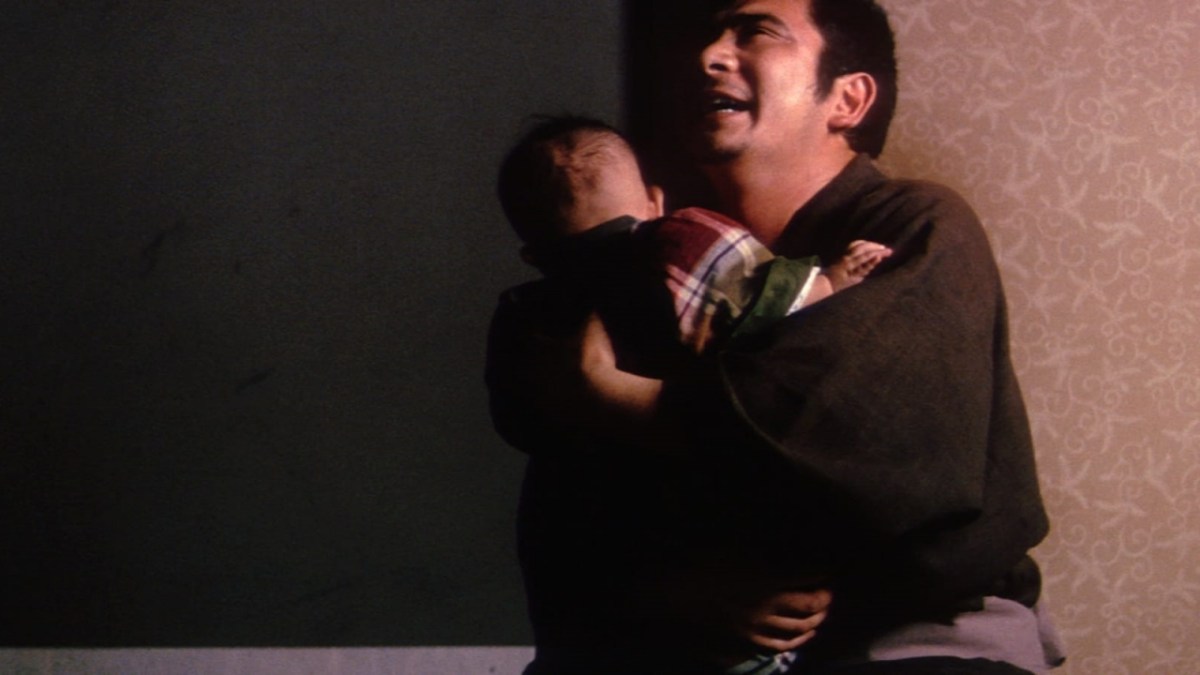
This 8th instalment is one of the series’ best—and different too—with director Kenji Misumi fashioning a slower-paced tale about Zatoichi’s longing for fatherhood.

