




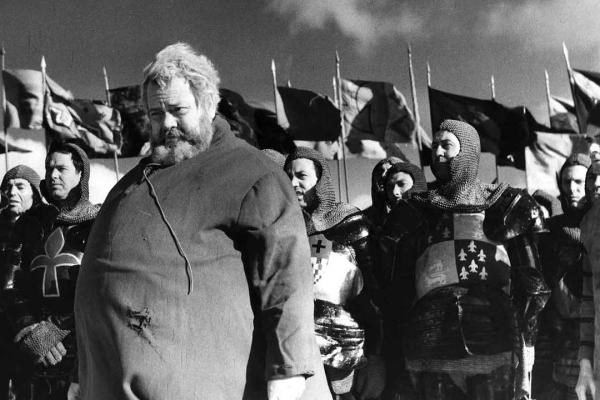

Kiyoshi Kurosawa’s polished if emotionally inert period film (his first!) is an anti-war espionage tale set in WWII Japan, featuring a standout lead performance by Yu Aoi.
Continue reading →
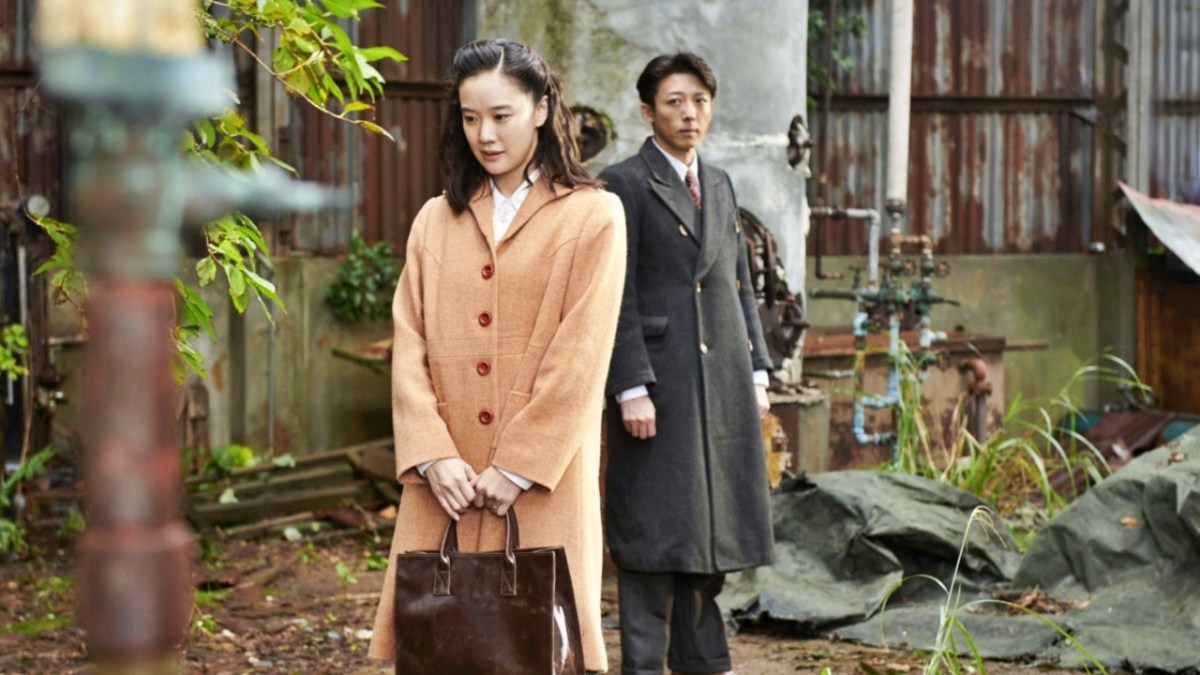
Kiyoshi Kurosawa’s polished if emotionally inert period film (his first!) is an anti-war espionage tale set in WWII Japan, featuring a standout lead performance by Yu Aoi.

The banality of cultural tourism as variety show is poetically expressed in the hands of Kiyoshi Kurosawa as a Japanese crew travel to Uzbekistan for work—it also features an underrated performance by ex-AKB48 J-pop star Atsuko Maeda.

An uncommunicative Japanese family whose patriarch has lost his job is placed under the microscope in this Cannes award-winning melodrama by Kiyoshi Kurosawa.
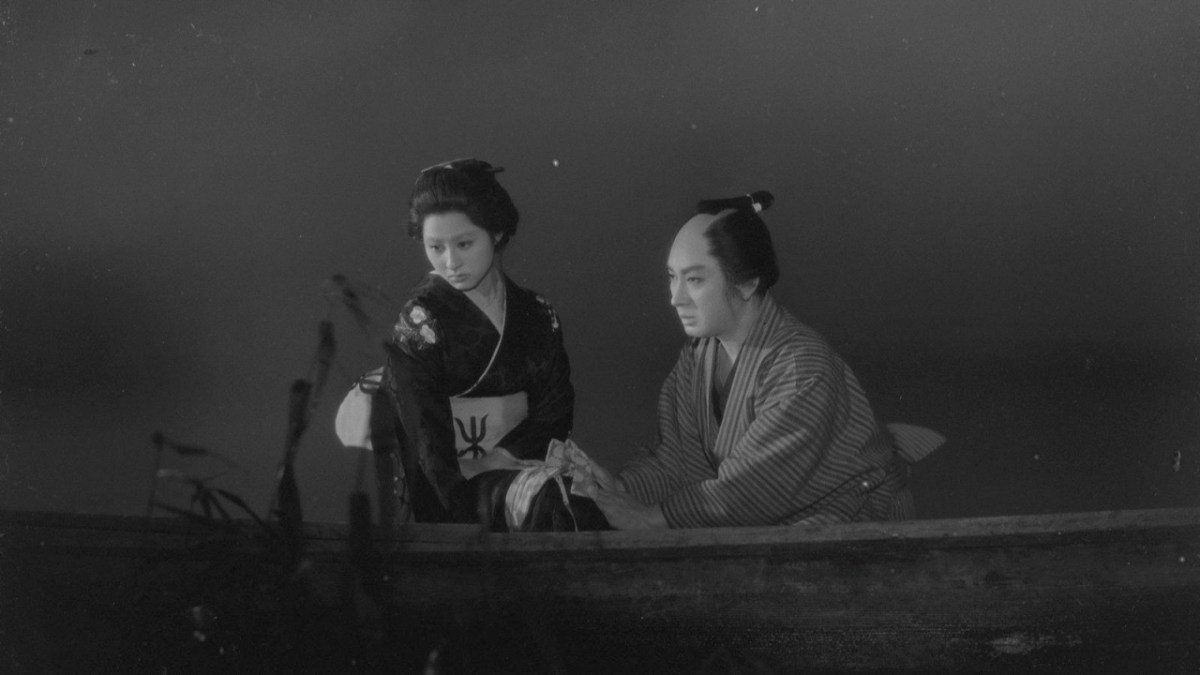
Mizoguchi’s superb late career form continues with this masterful period drama about strict social norms and gender roles, with themes of adultery and romantic passion giving it thematic complexity.
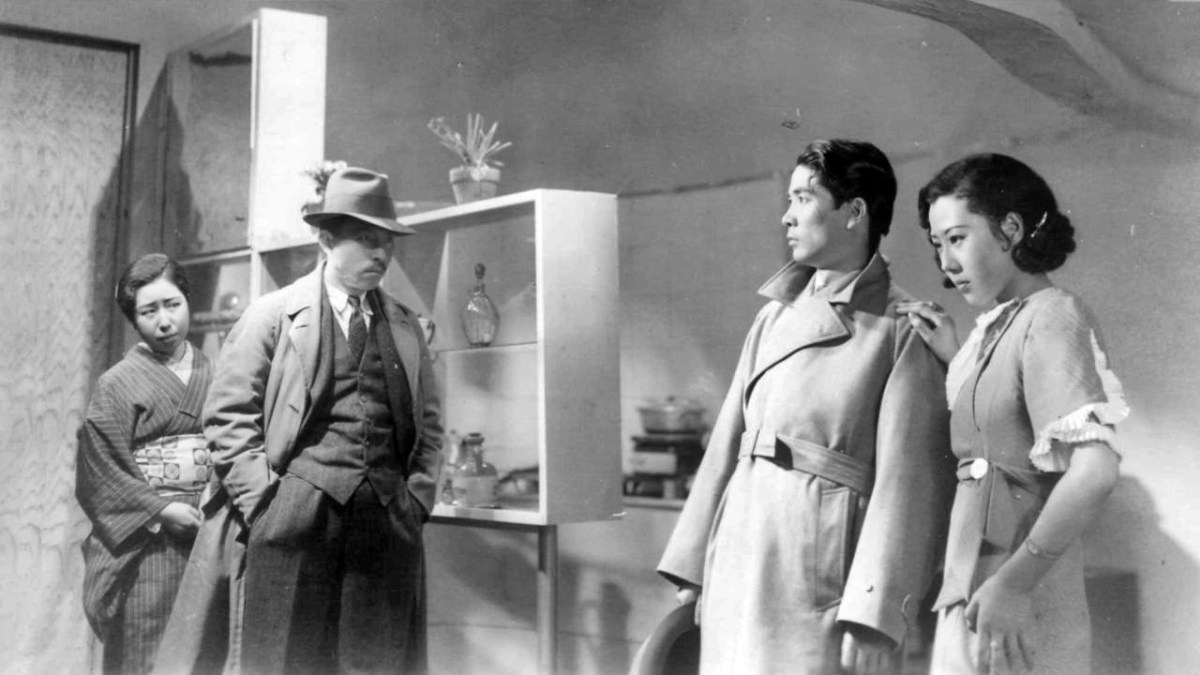
A young woman becomes her married boss’ mistress to help her debt-ridden father in this ‘30s classic from Mizoguchi that would pave way thematically for his later films about ‘fallen women’.
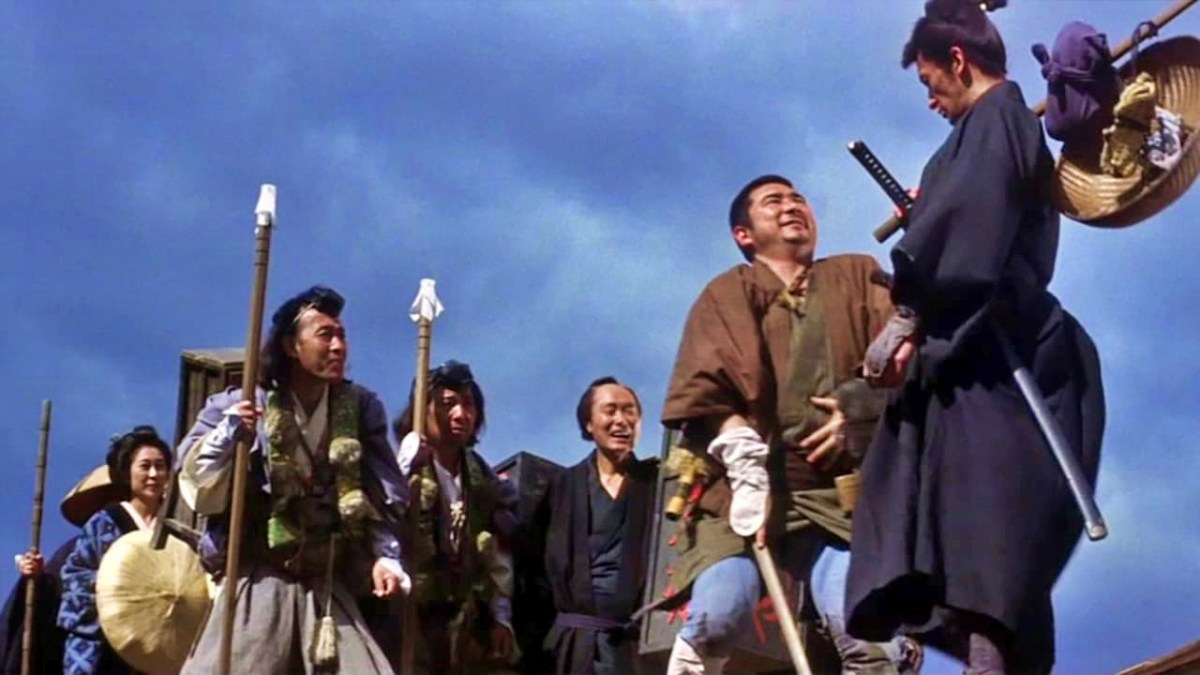
There may not be much action, but this quite solid 12th instalment takes its time to give us well-developed characters in a narrative about strategic one-upmanship.
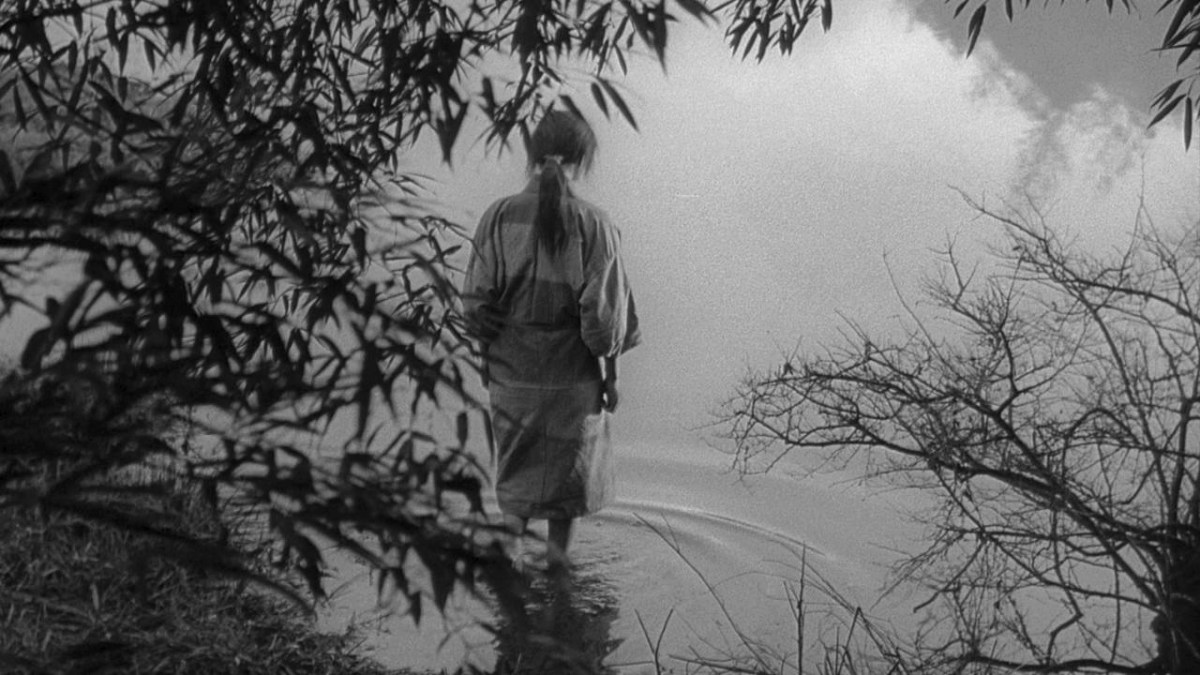

Mizoguchi’s magnum opus is one of the all-time greatest films ever made – a haunting tale of greed, lust and morality that is steeped in Eastern sensuality and supernatural mythology.
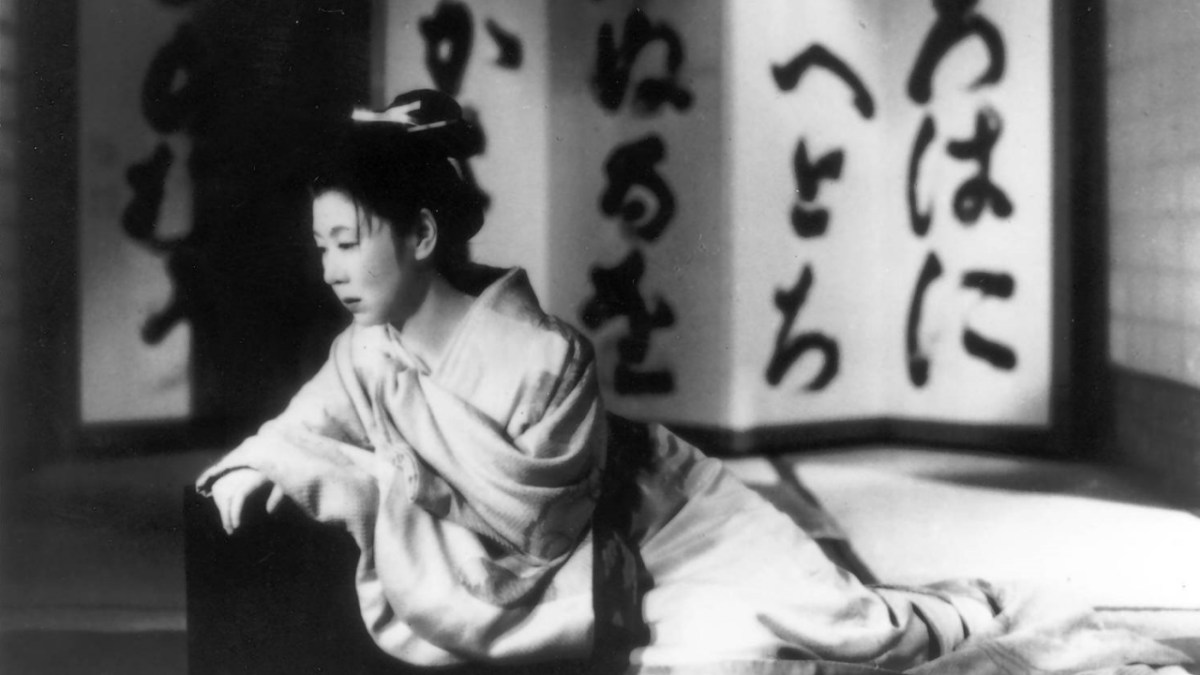
Mizoguchi’s chronicle of one woman’s descent from nobility to prostitution is emotionally intense and terribly bleak.

Studio Ghibli’s first full digital animation is a light-hearted and free-spirited take on urban family life told in humorous, sometimes fantastical, vignettes that are created in a minimalist watercolour style.

