
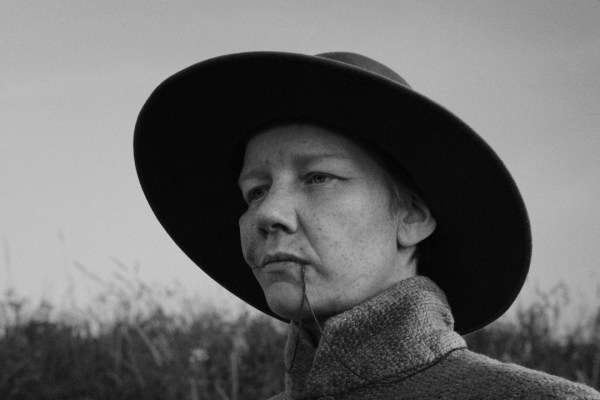



A return to form in some ways, Zhang’s monochrome martial-arts drama is visually gorgeous but not always compelling.
Continue reading →

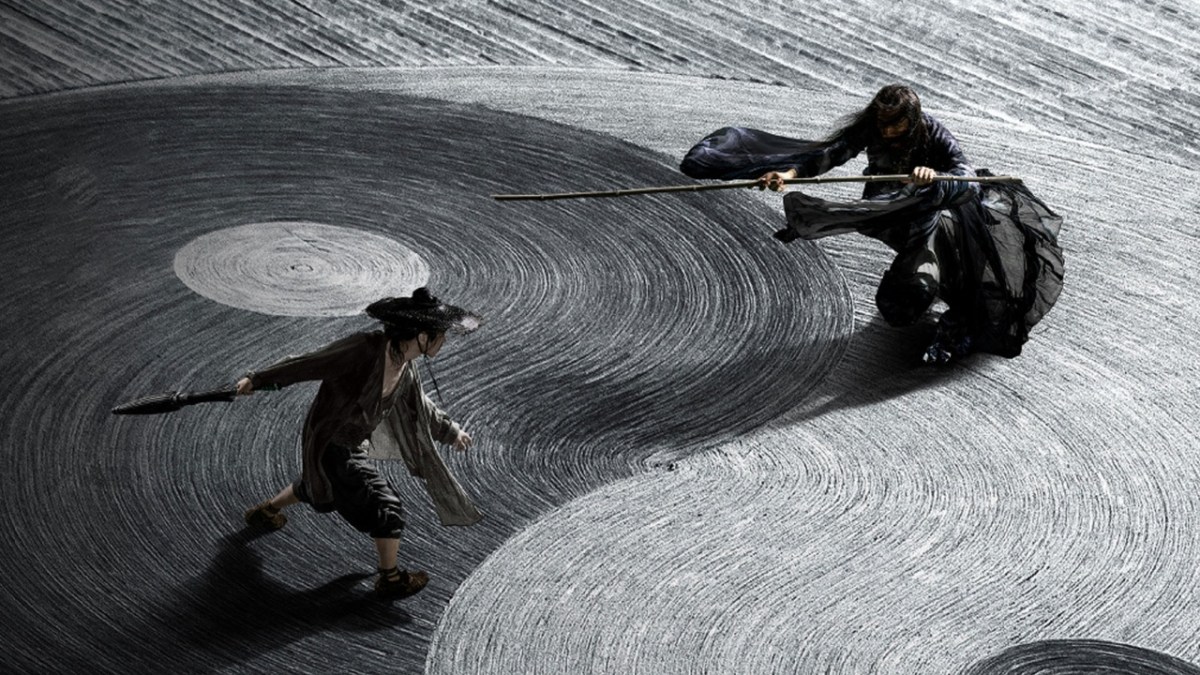
A return to form in some ways, Zhang’s monochrome martial-arts drama is visually gorgeous but not always compelling.

Zatoichi’s caught in between nasty gangsters and ungrateful villagers in this 14th entry that boasts great action but little in a way of a substantial story.
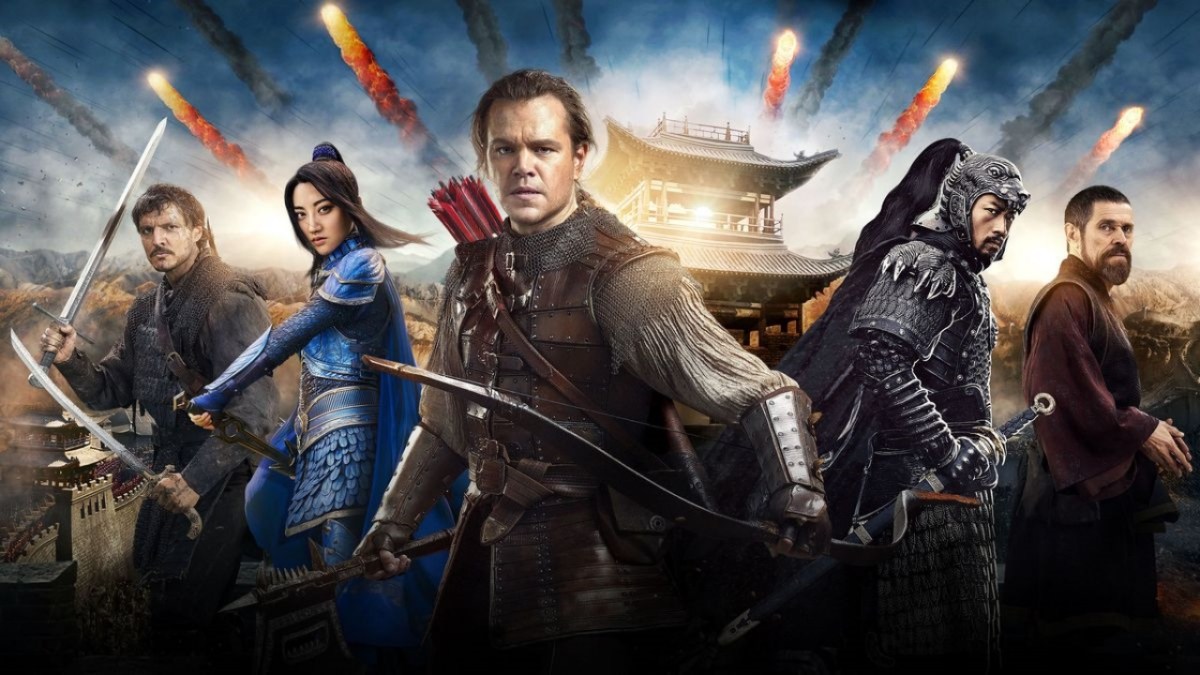
Fairly entertaining inasmuch as it is a CG-fest ‘historical fantasy’ with spectacular visual flourishes, but ultimately generic and mechanical in its execution.

A disappointing misfire from Yerzhanov who doesn’t have anything meaningful to say with his latest absurdist dark comedy.

It doesn’t always cohere with a creative concept that sometimes overreaches, but this is Pixar at its most existential, exploring the meaning of life at the crossroads of passion, purpose and living.

There’s probably nothing new for die-hard Blinks, but for new fans (like myself), this is a no-frills but highly-effective introduction to the four K-pop queens who are slaying the world.

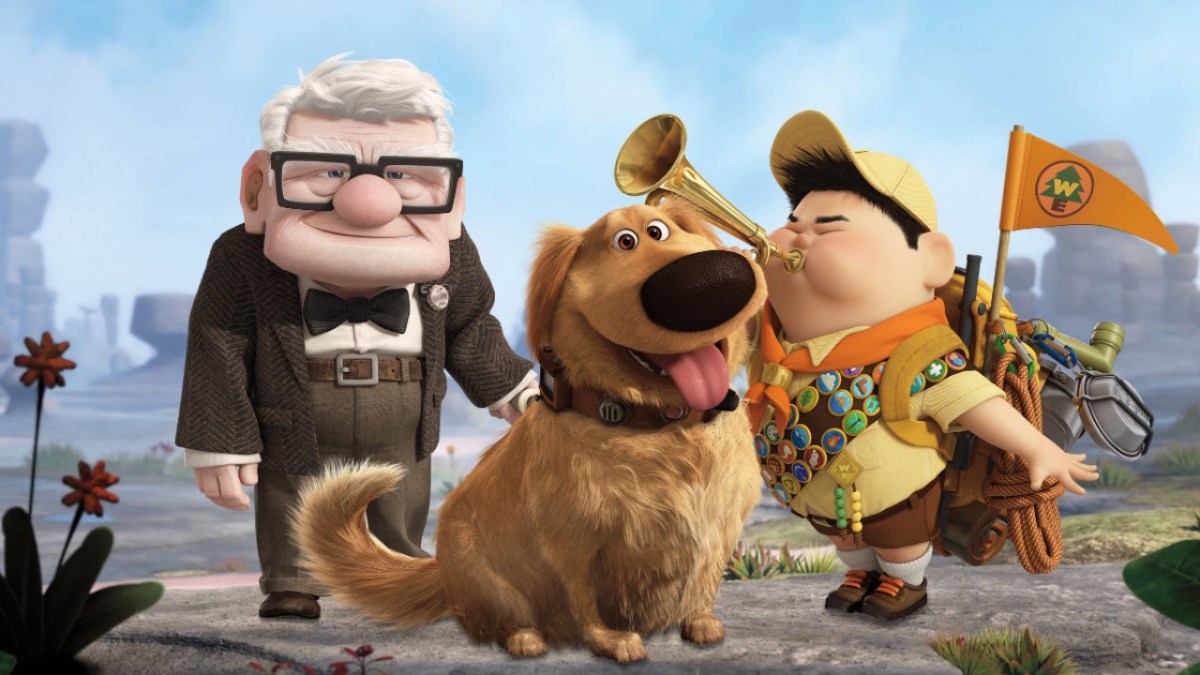
Pixar matures considerably with this delightful offering, despite an unimposing villain and a climax that feels too rushed.
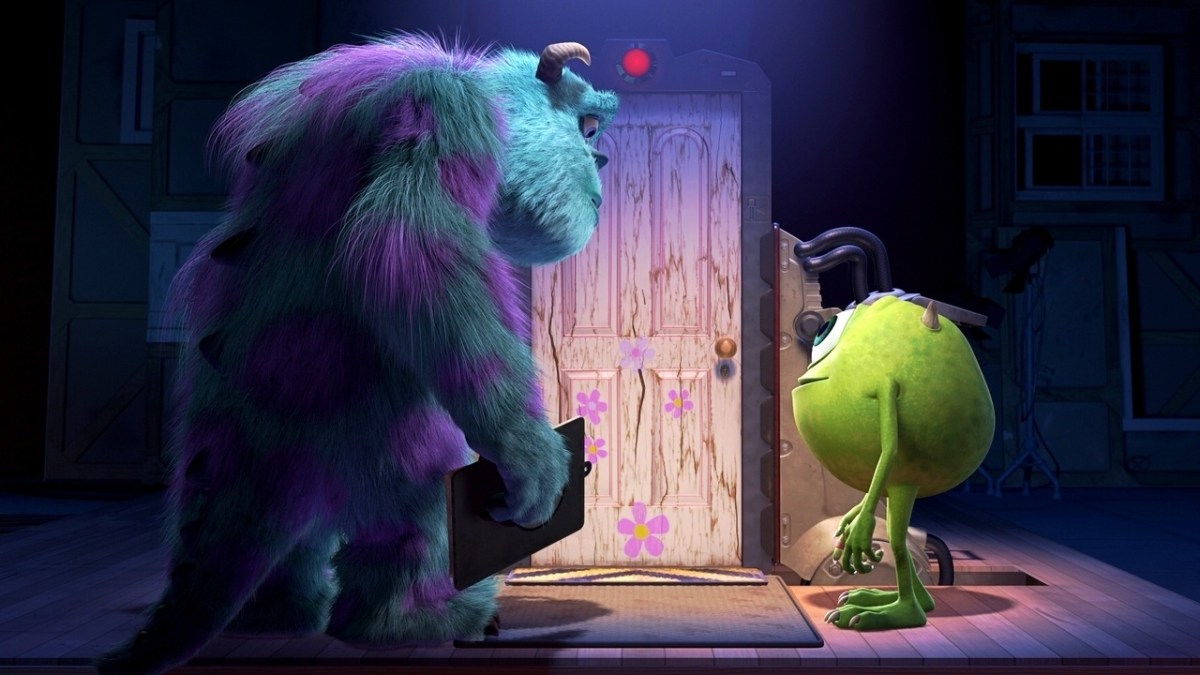
One of Pixar’s best efforts, and still one of their most conceptually imaginative pictures to date.
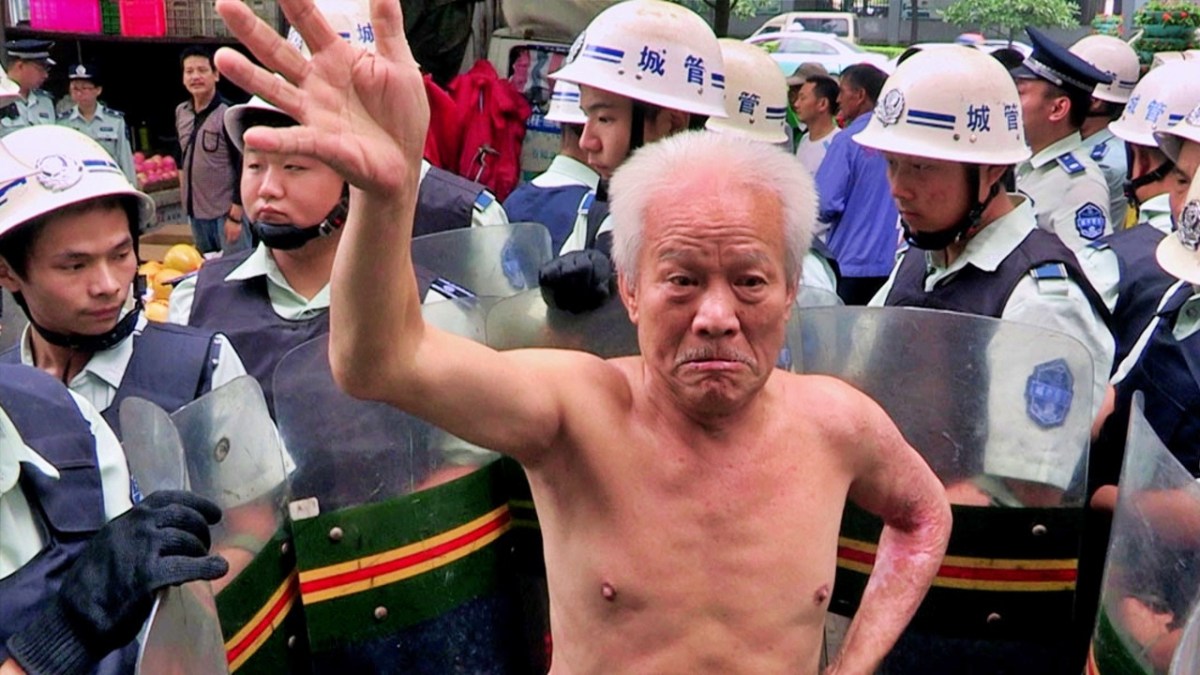
An old feisty street seller and his poor family fight for their right to make a living as local authorities demand their relocation in this engrossing, and at times, hilarious documentary filmed in pre-COVID Wuhan.

