




A strong mood exercise that brings to the fore a tense psychological mystery that is both twisting and twisted.
Continue reading →

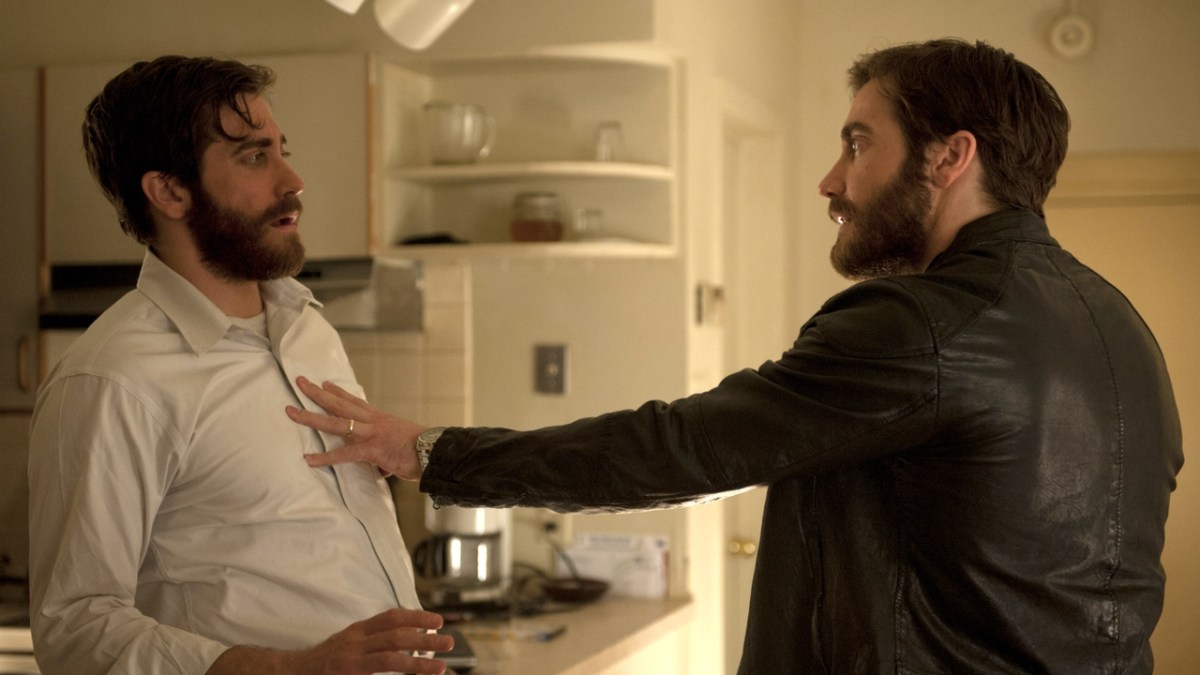
A strong mood exercise that brings to the fore a tense psychological mystery that is both twisting and twisted.

Denis Villeneuve’s assured direction and Roger Deakins’ evocative cinematography elevates this seemingly generic suburban mystery-thriller into something that will shock and haunt you.

A slightly overdrawn film, but haunting and emotionally resonant in its own way, at the same time announcing Denis Villeneuve as a cinematic force to be reckoned with.

A fiery doctor and an ill gangster form a love-hate bond in Kurosawa’s striking first collab with Toshiro Mifune, a tale of changing times amid out-of-fashion masculine codes of honour.

A strong, poetic feature debut from a master-in-the-making, centering on two young children’s perspective of living in their home village, as the adults around them converse about the cruelty and misery of life.

This notorious Hong Kong Cat III cult classic is either one of the most offensive movies ever made—or a hilarious ‘feel-good’ romp made more relevant with an ongoing pandemic.

Three young men waste their time away in a lazy provincial town at the South of Italy in this assured first feature by the trailblazing Lina Wertmuller, with a lovely score by Ennio Morricone.

Lav Diaz’s Venice Golden Lion winner has its beautiful cinematic moments, but its diminishing returns are at best tolerable.

A mix of fiction and reality, and memory and imagination as Shyam Benegal weaves a complex drama full of literary qualities, but somehow isn’t compelling enough to get into.
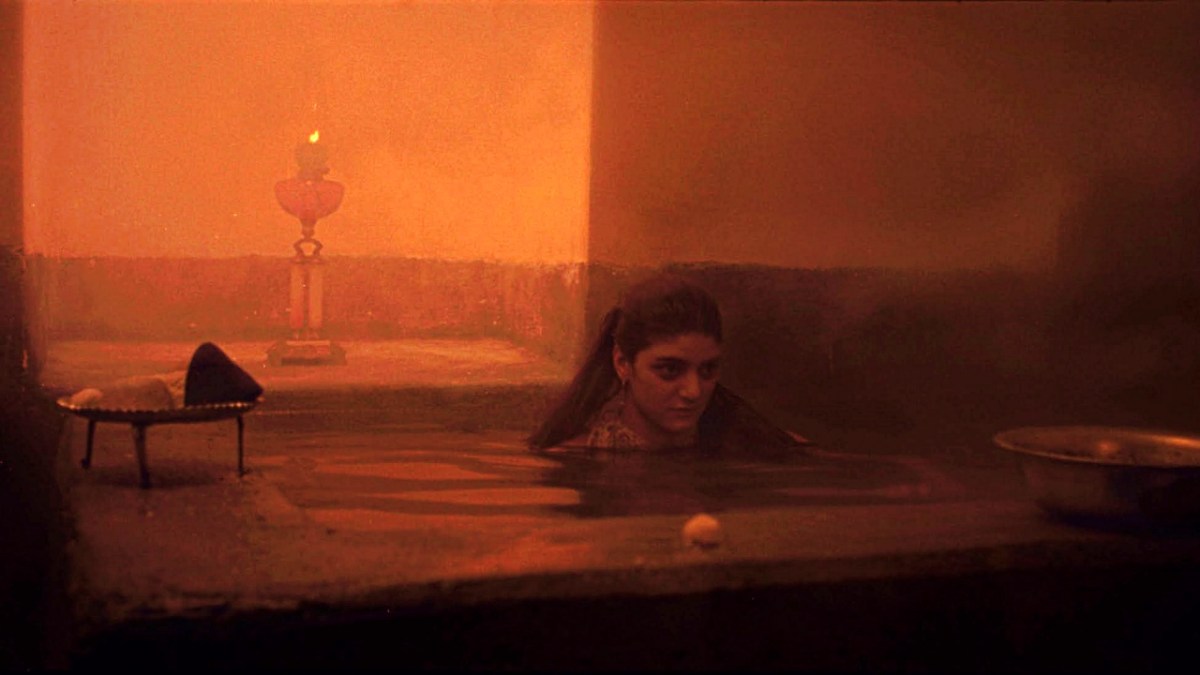
This banned and long-lost Iranian debut feature, boosted by a stunning restoration, is a genuine eye-opener—subversive, progressive, and a formidable take on how power and greed are symptomatic of patriarchy and nobility.

