




As fascinating as it is arcane, this visually and aurally arresting work from Armenia defeats categorization, but is indescribably hypnotic.
Continue reading →

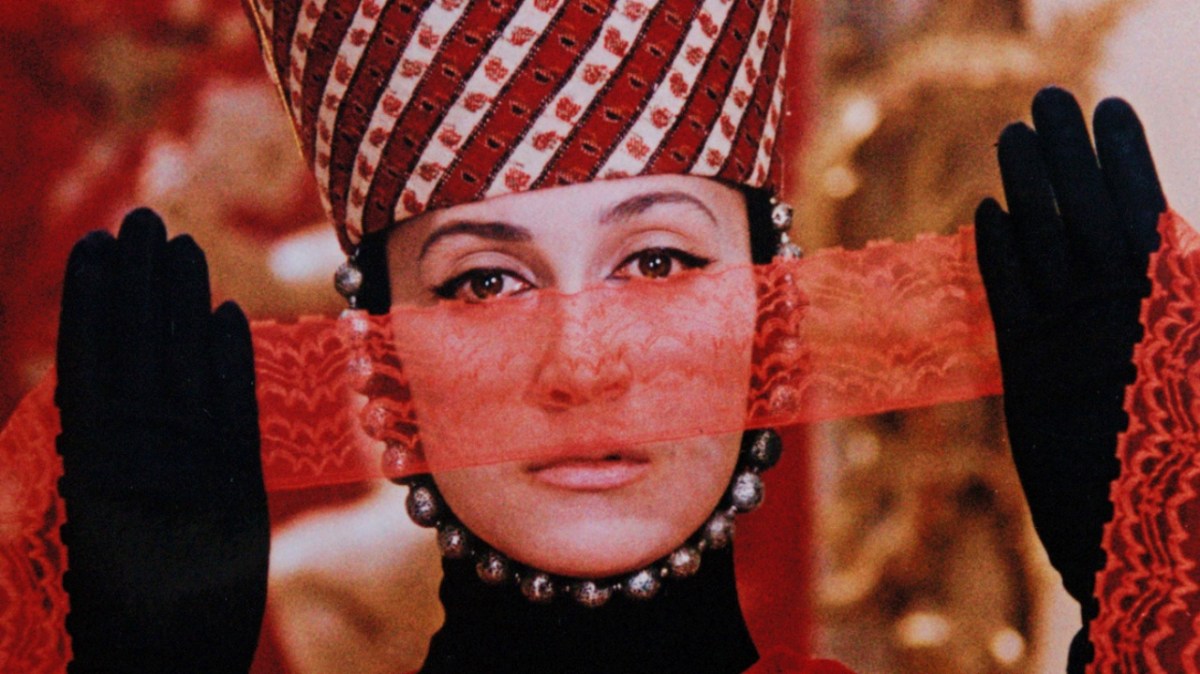
As fascinating as it is arcane, this visually and aurally arresting work from Armenia defeats categorization, but is indescribably hypnotic.
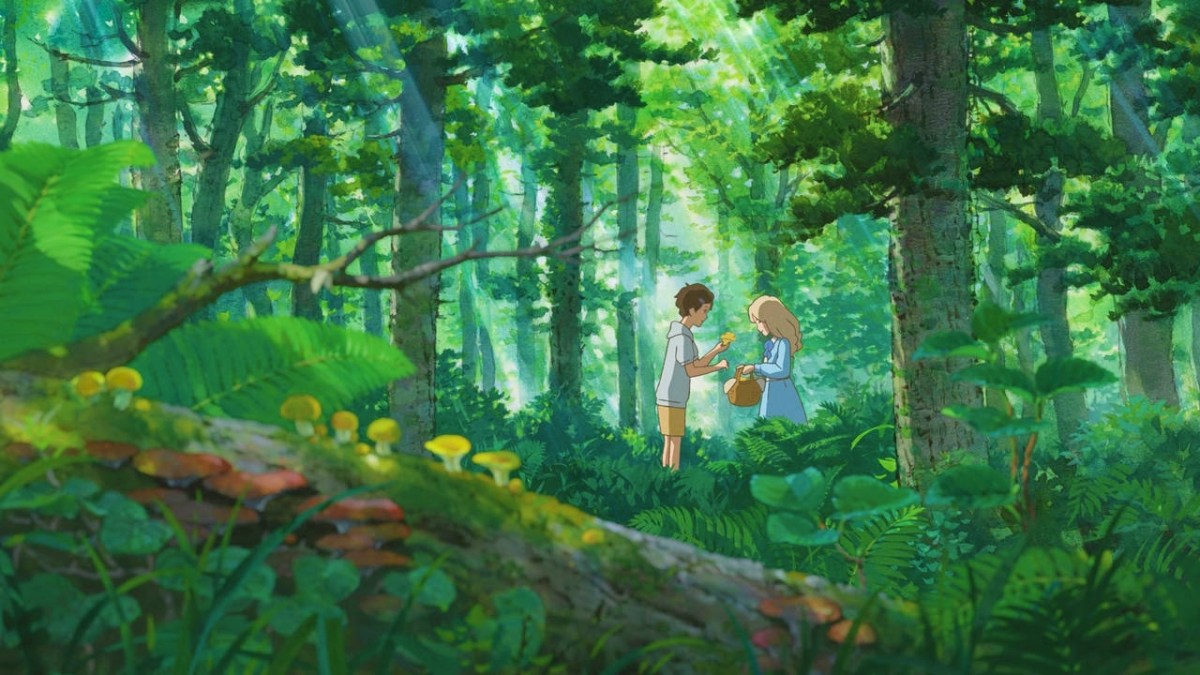
A tale about self-acceptance, this modest Studio Ghibli anime may take a while to get going, but it achieves some kind of emotional crescendo by its denouement.
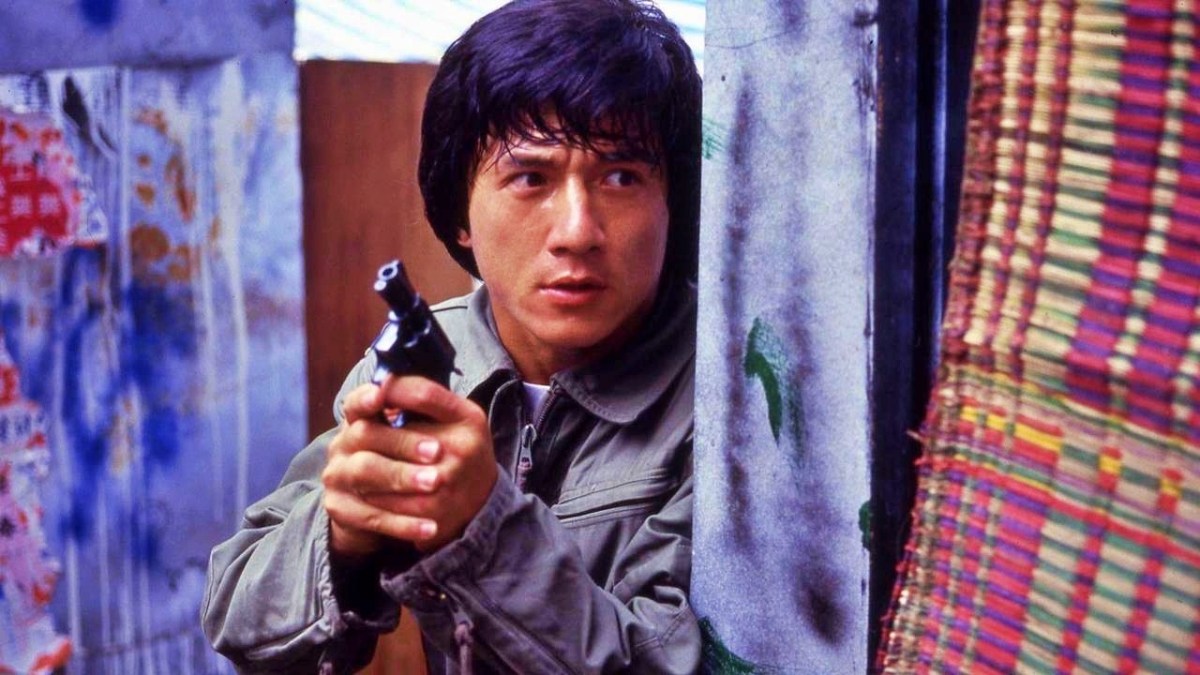
Jackie Chan puts on a rare snarly front as a framed police officer out to clear his name in this terrific spectacle of death-defying stunts and goofy comedy, still regarded as one of his finest achievements.

It doesn’t quite top the religious experience that is the 1982 film, but Denis Villeneuve and DP Roger Deakins have created a visually and thematically expansive arthouse blockbuster that deepens the mythology of its universe.
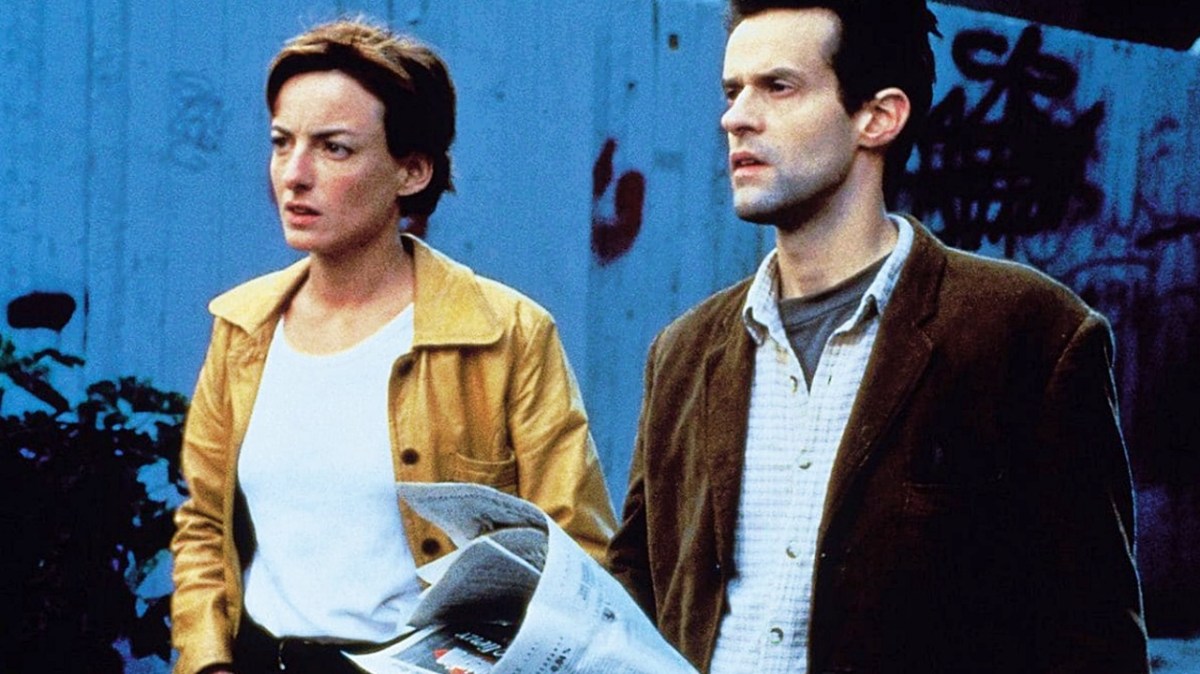
Chanelling the free spirit of the French New Wave, Villeneuve’s first feature is stylistically bold but falls short as a narrative about two ex-lovers who cannot be together.

You are in the hands of a consummate filmmaker bringing both science-fiction and humanistic elements seamlessly together in a film that is one of 2016’s finest.

Chronic fear and the threat of violence fuel one of Lav Diaz’s shortest efforts as we follow a trio of men trek through a jungle in this crisply-shot work that doesn’t quite accumulate enough power to truly leave an impact.
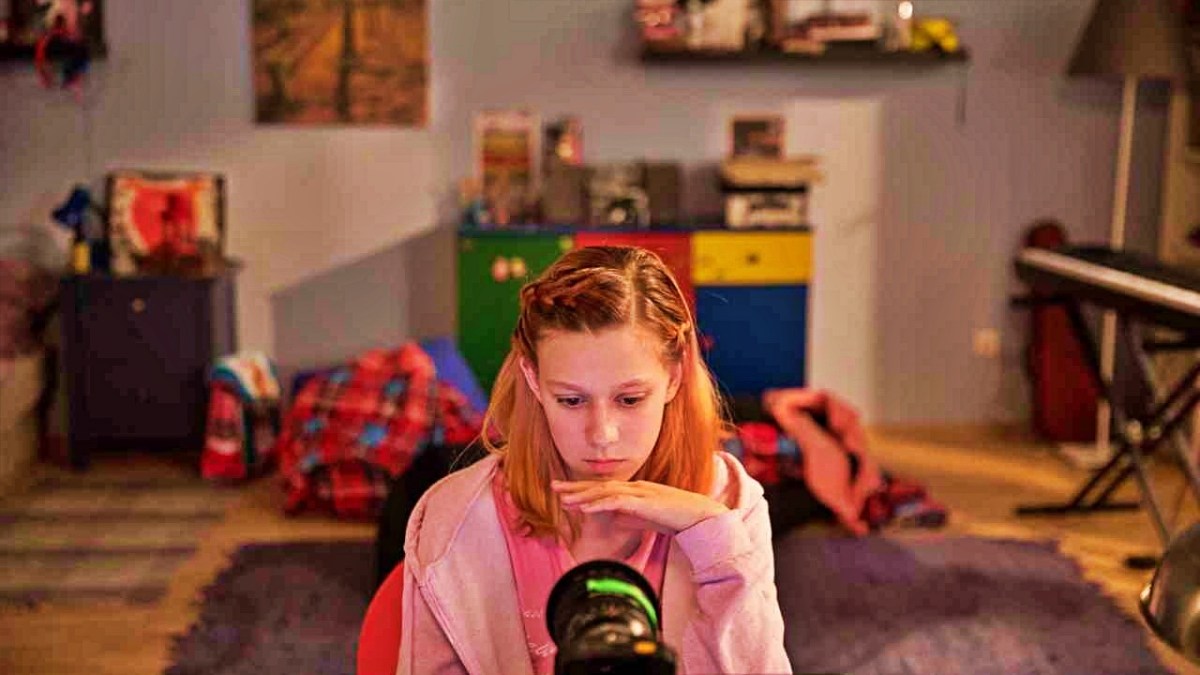
Highly uncomfortable but essential viewing as this Czech documentary-cum-social experiment attempts to bring to light the dark, paedophilic world of online sexual abuse of children.
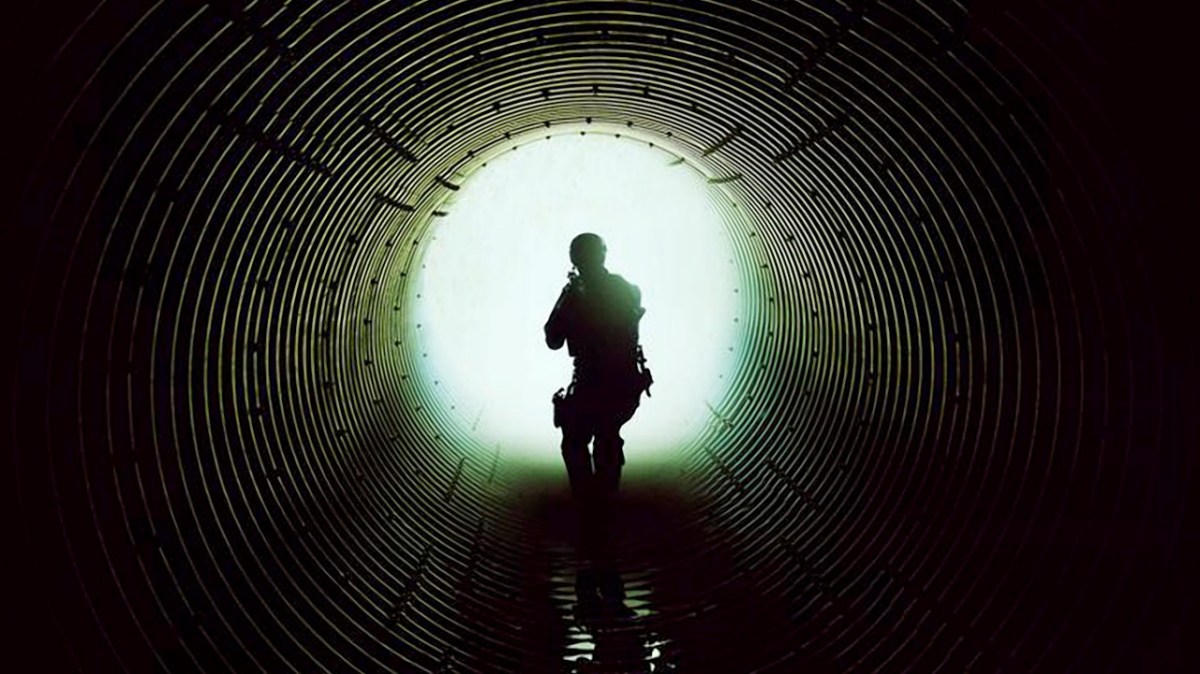
Villeneuve’s film builds suspense like a worker laying bricks – slowly but surely, giving us a largely solid Mexican cartel infiltration thriller that packs a strong punch.

Schanelec’s graduation feature sets her observant slow-cinema style in stone in this unconventional love triangle drama where the protagonist is torn between loving two women who are half-sisters.

