


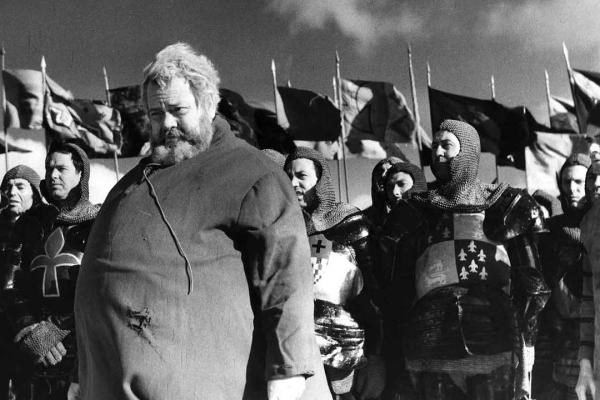

This moody piece detailing the state-of-mind of several members of the French Resistance during WWII is arguably Melville’s greatest work and one of the finest films ever made about the subject.
Continue reading →

This moody piece detailing the state-of-mind of several members of the French Resistance during WWII is arguably Melville’s greatest work and one of the finest films ever made about the subject.
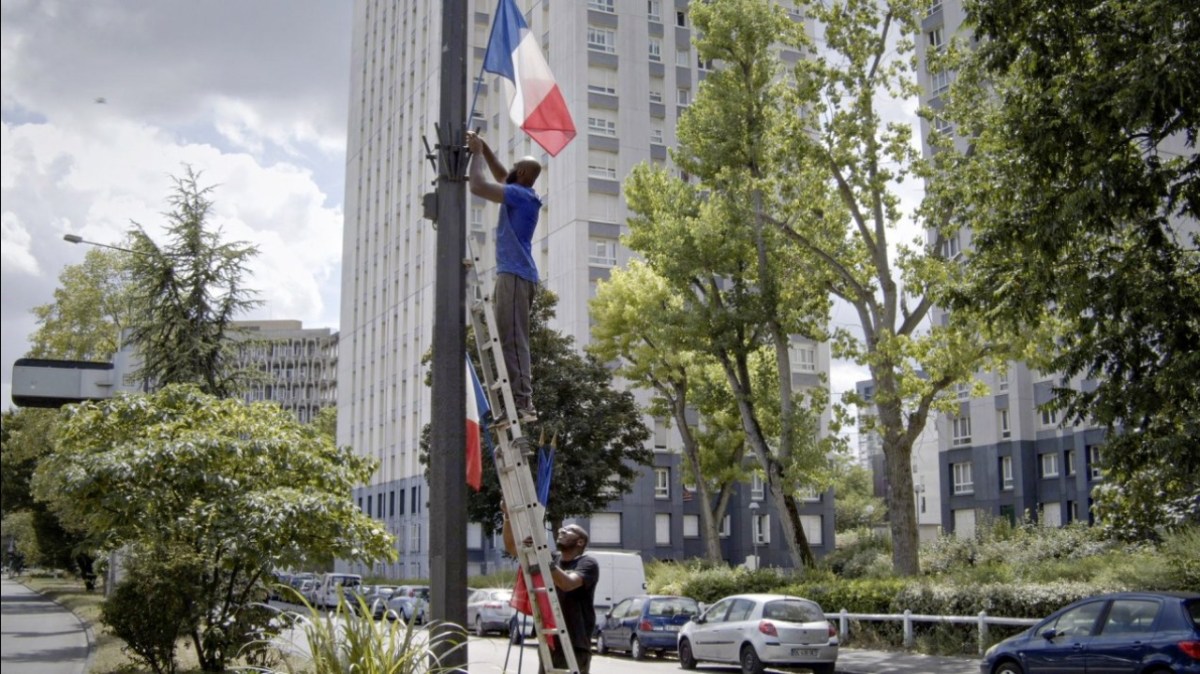
Diop’s well-intentioned documentary centering on people living in the Parisian suburbs is surprisingly monotonous, unstimulating, and goes on for far too long.

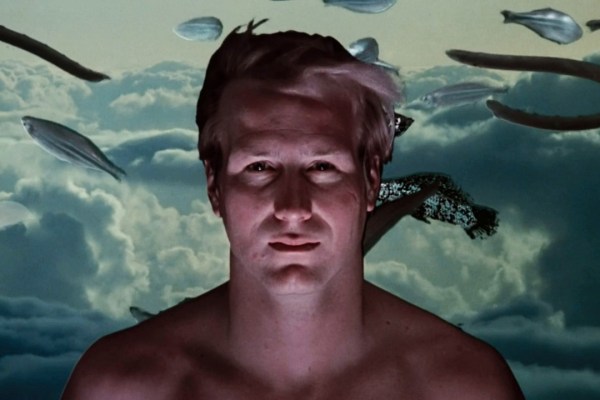
Bonello’s unclassifiable attempt at a David Lynch-meets-‘The Fountain’ sci-fi mashup is mysterious, meandering, alluring and confounding all at once, as it explores the nature of love, fear and memory as mediated by the threat of artificial intelligence.
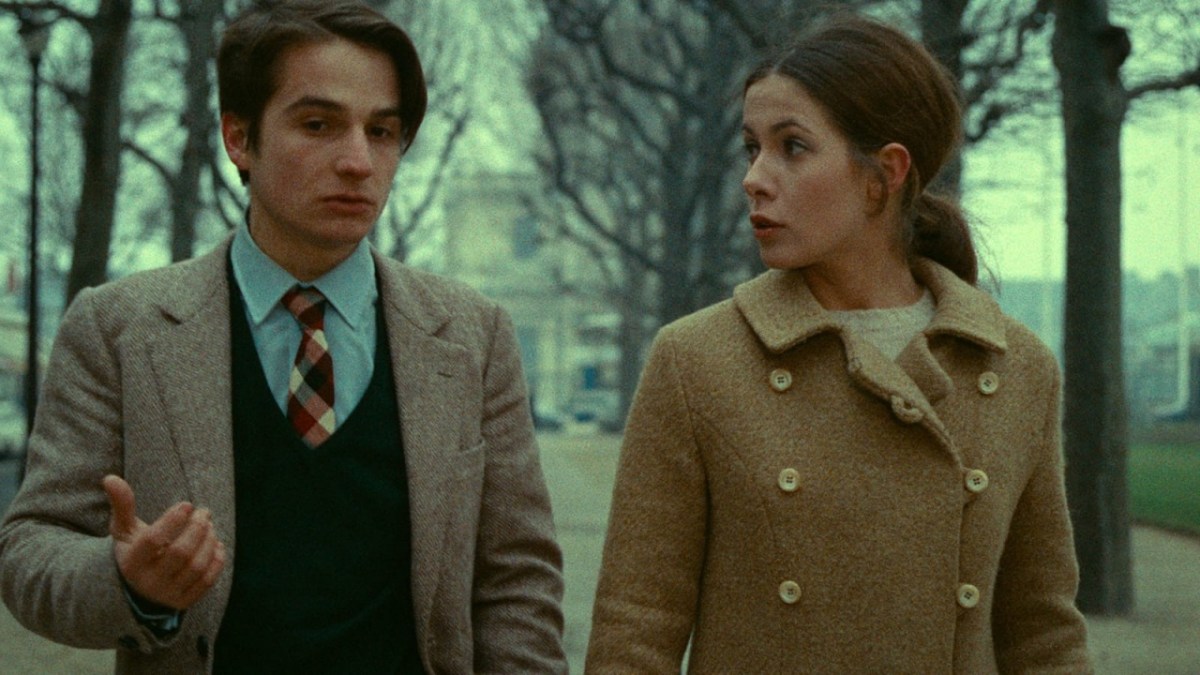
Truffaut and Leaud continue another chapter in the life of ‘Antoine Doinel’ in this charming take on youthful romance and misadventure that toggles between pseudo-screwball comedy and detective drama.
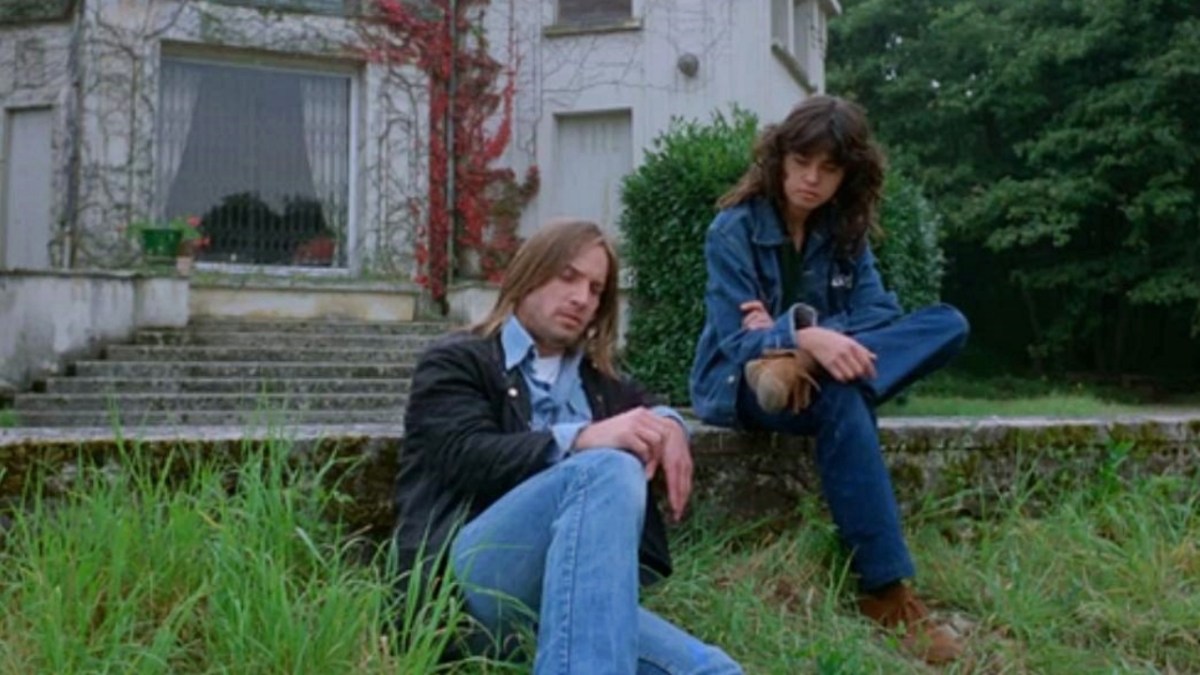
Freewheeling if repetitive, Rivette’s anti-thriller feels much emptier than usual as a woman’s sister and an ex-lover are asked to join her in mysterious circumstances.
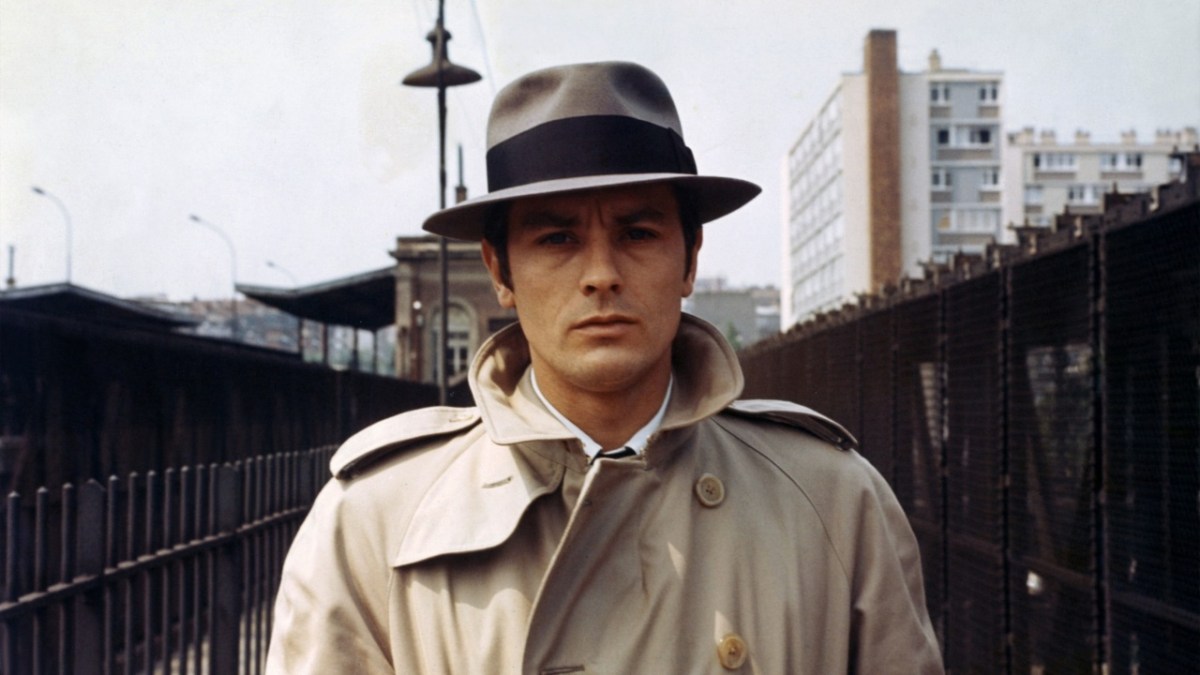
This slow-burner suspense classic, and one of Melville’s most influential works, is an excellent character study of the ‘hitman’.

This French antecedent to ‘A Bigger Splash’ is a stylish if somewhat monotonous drama oozing sexual tension as a couple and a father-daughter duo temporarily reside in a summer house.

Truffaut’s terrific last film is as Hitchcockian as it gets, with a top performance by Fanny Ardant who plays a sleuthing secretary after her boss becomes the prime suspect in a series of murders.

A sensually shot if also subtly erotic take on religion and desire, handled with deft skill by the great Melville.

This layered Cannes Palme d’Or-winning work, part courtroom drama, part marital exposé about the mysterious circumstances surrounding a death is Justine Triet’s most complex picture to date.

