

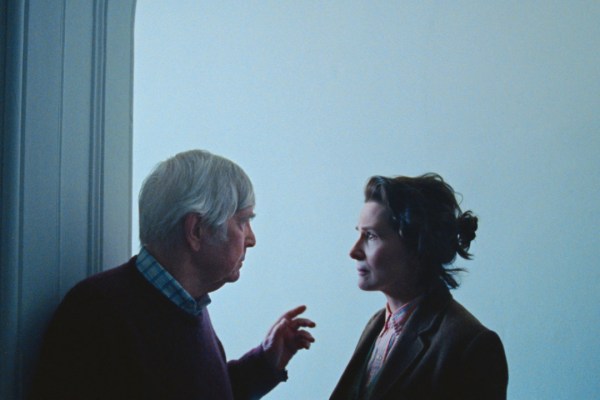
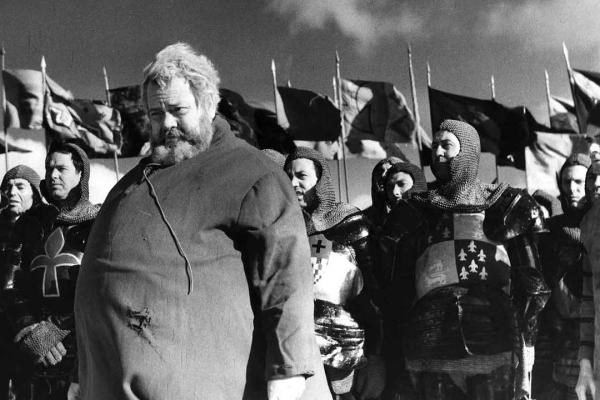

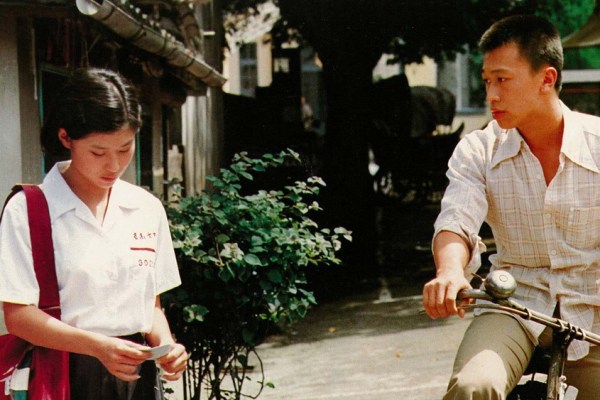

A dead body is found in the Mongolian steppes in this sublimely-shot if at times bizarre arthouse tale about carnal desires and the cycle of life.
Continue reading →

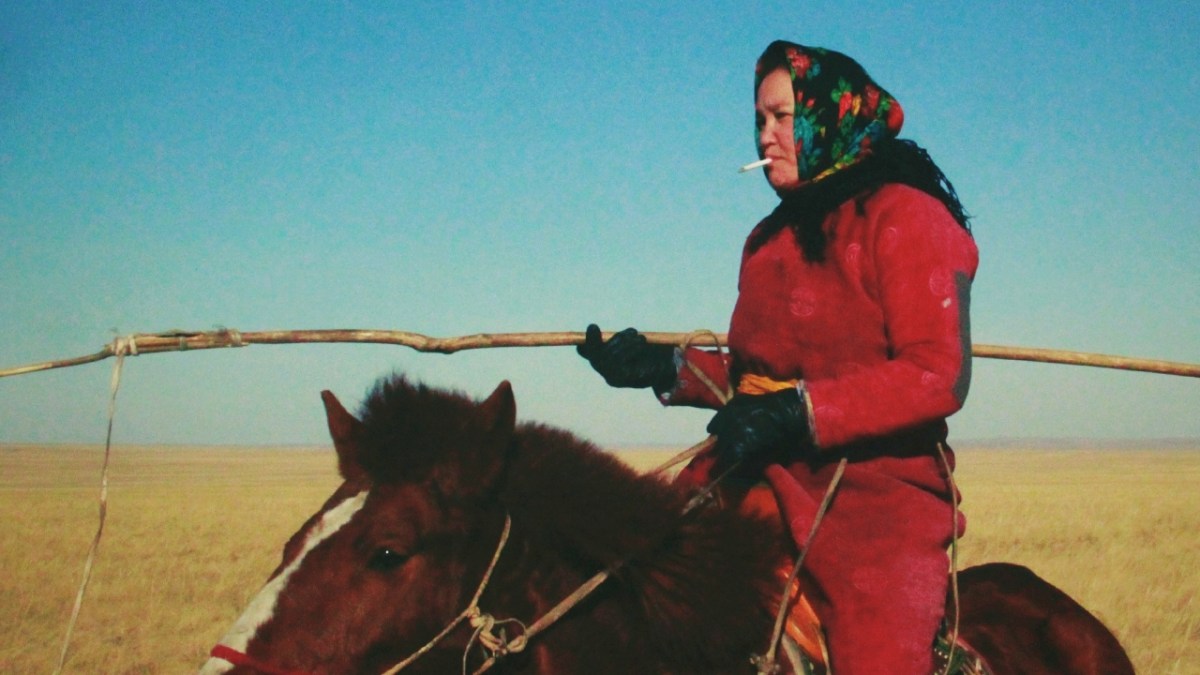
A dead body is found in the Mongolian steppes in this sublimely-shot if at times bizarre arthouse tale about carnal desires and the cycle of life.

Studio Ghibli’s first full digital animation is a light-hearted and free-spirited take on urban family life told in humorous, sometimes fantastical, vignettes that are created in a minimalist watercolour style.

There’s enough humour and ‘70s romantic schmaltz in Andersson’s first feature to make it a pleasing slice-of-life experience.

A layered, non-linear Taiwanese LGBT drama centering on the outsiders of society—their lives, struggles, and tragedies.

The mid-‘90s assassination of then Israeli Prime Minister Yitzhak Rabin is radically told from the point-of-view of the assassin in this urgent and incisive sociopolitical-thriller about the dangers of holding extremist worldviews.
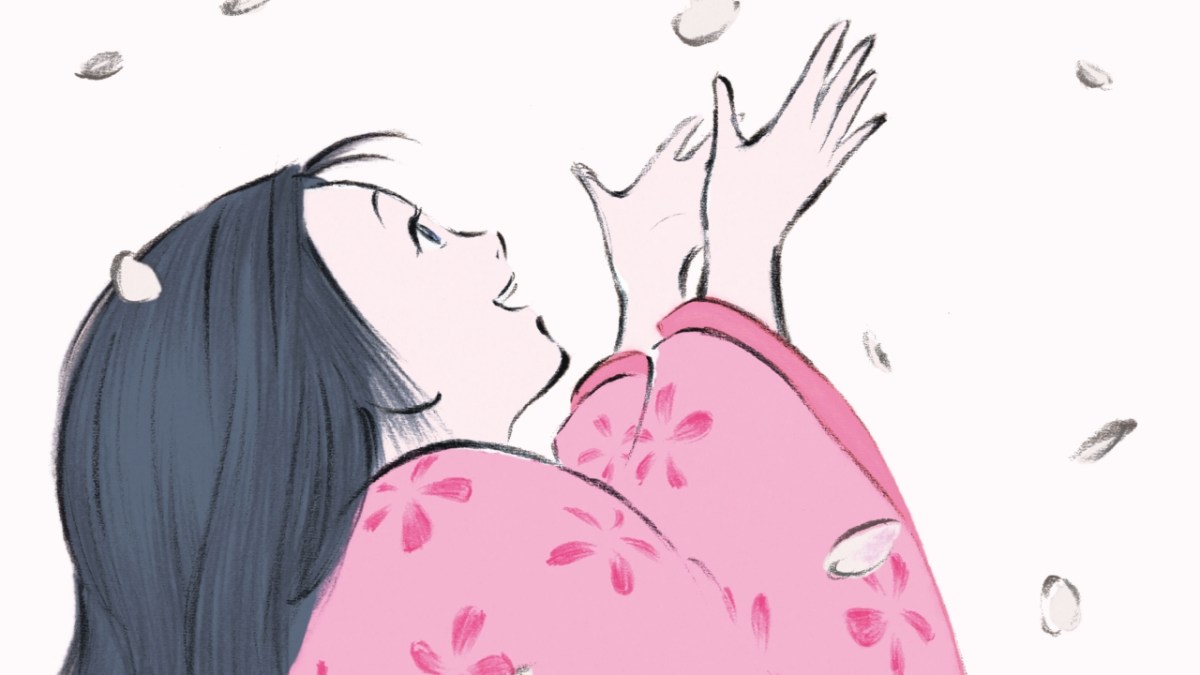
A familiar if exposition-heavy anime that prides itself in being remarkably composed with its sheer beauty and breathtaking visuals.

Enigmatic and quiet by design, this formally-rigourous work brings Schanelec’s brand of austere cinema to its logical extreme as she once again explores human relationships in existential flux.

My favourite Isao Takahata—a poignant and nostalgia-tinged tribute to memory, time, childhood and love in what could be Studio Ghibli’s finest work.

This easy-going if poor entry doesn’t quite contribute much to Zatoichi’s characterisation, nor does it have an involving premise.

Nuri Bilge Ceylan meets Diao Yi’nan in the lawless Kazakh steppes in this brilliant slow-burning investigative procedural about systemic corruption and chronic violence, directed by one of Central Asian cinema’s most distinctive voices.

