

An entertaining De Palma crime-and-justice classic set in Prohibition-era Chicago, featuring indelible supporting work by Sean Connery and a rousingly emotional score by Ennio Morricone.
Continue reading →

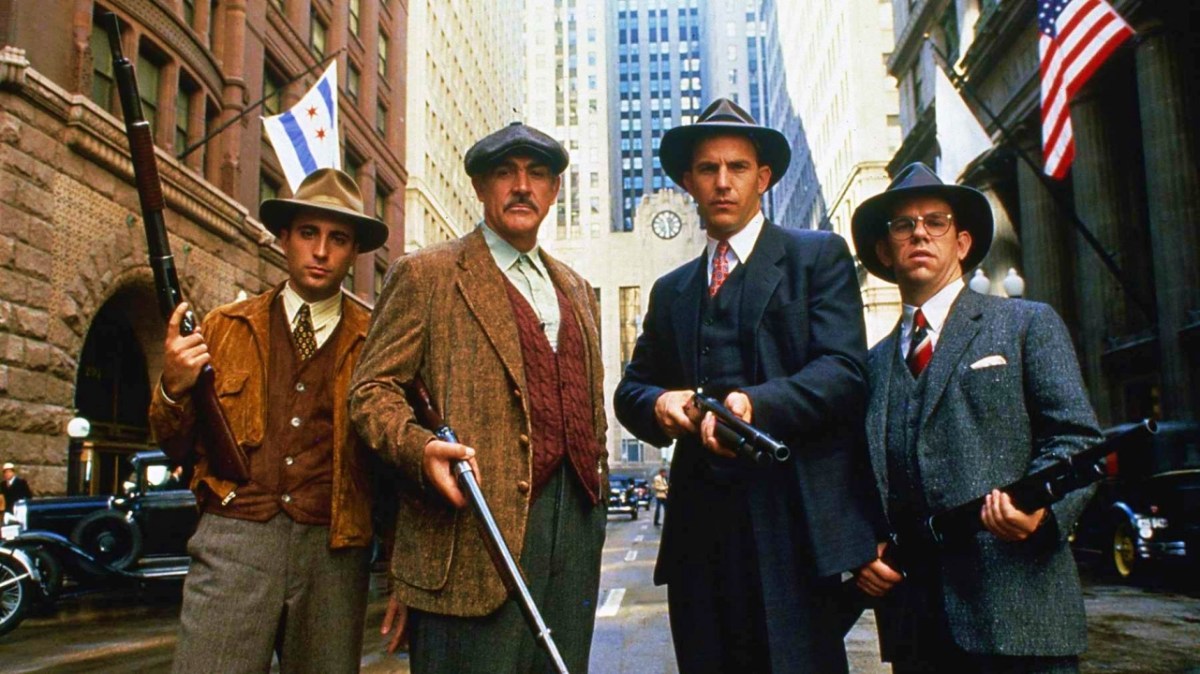
An entertaining De Palma crime-and-justice classic set in Prohibition-era Chicago, featuring indelible supporting work by Sean Connery and a rousingly emotional score by Ennio Morricone.

This is Haneke in peak form—made up of more than forty vignettes shot in long takes that combine to give us a fragmentary sense of what it feels like to live in a multi-racial yet racist, technological yet incommunicable post-2000s world.
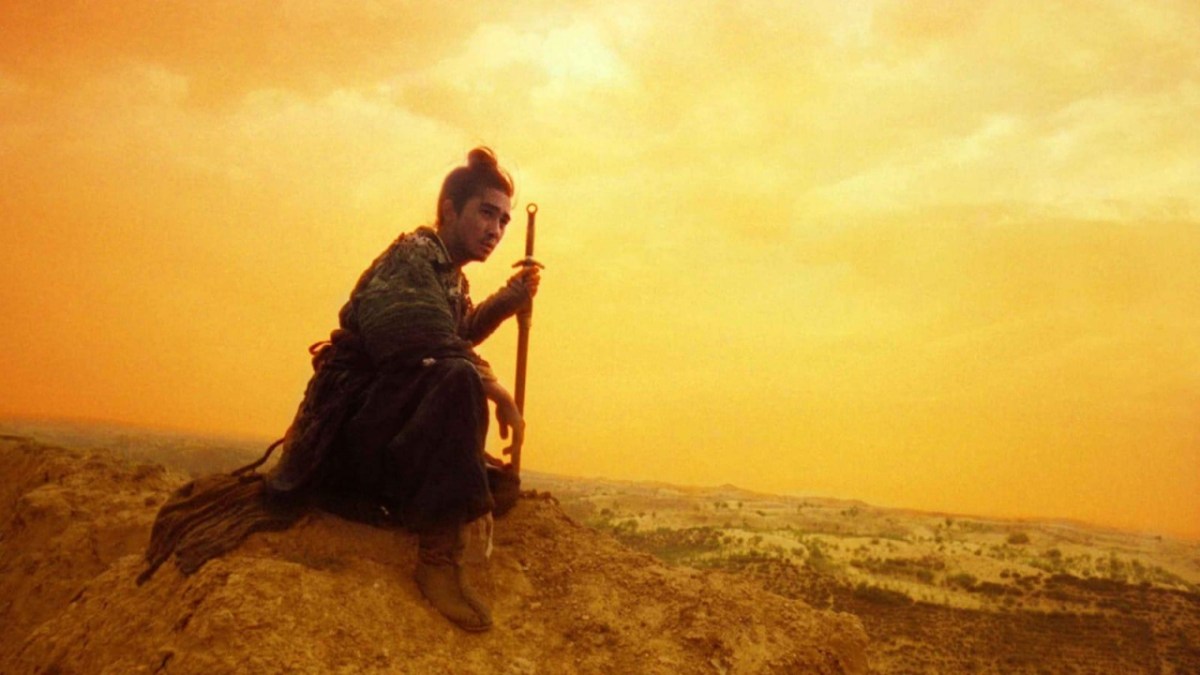
Playing with narrative time liberally—or perhaps too haphazardly—Wong’s largely incoherent if artfully-conceived martial arts film works best as an evocation of old places and old romances.


There’s a lot of filmmaking artistry to appreciate, and so is the sizzling chemistry between Tony Leung and Zhang Ziyi in this follow-up to In the Mood for Love (2000).

Six dramatised end-of-WWII stories that bring us from Sicily to the Po Valley, the second part of Rossellini’s ‘War Trilogy’ shows us the emotions associated with the tragedy of war as well as the liberation from oppression.

As far as Thumbelina-esque stories go, this Studio Ghibli effort doesn’t break new ground, but its attention to detail and little moments of heartfelt emotions keep it engaging.

Arguably Wong Kar Wai’s finest hour, the film is gorgeous yet restrained… like an alluring and yearning waltz.

Interesting but uneven, and ultimately conventional despite its experimental intent, this shot-in-16mm tribute to Filipino auteurs Lino Brocka and Ishmael Bernal operates as a diptych capturing the underbelly of Manila.
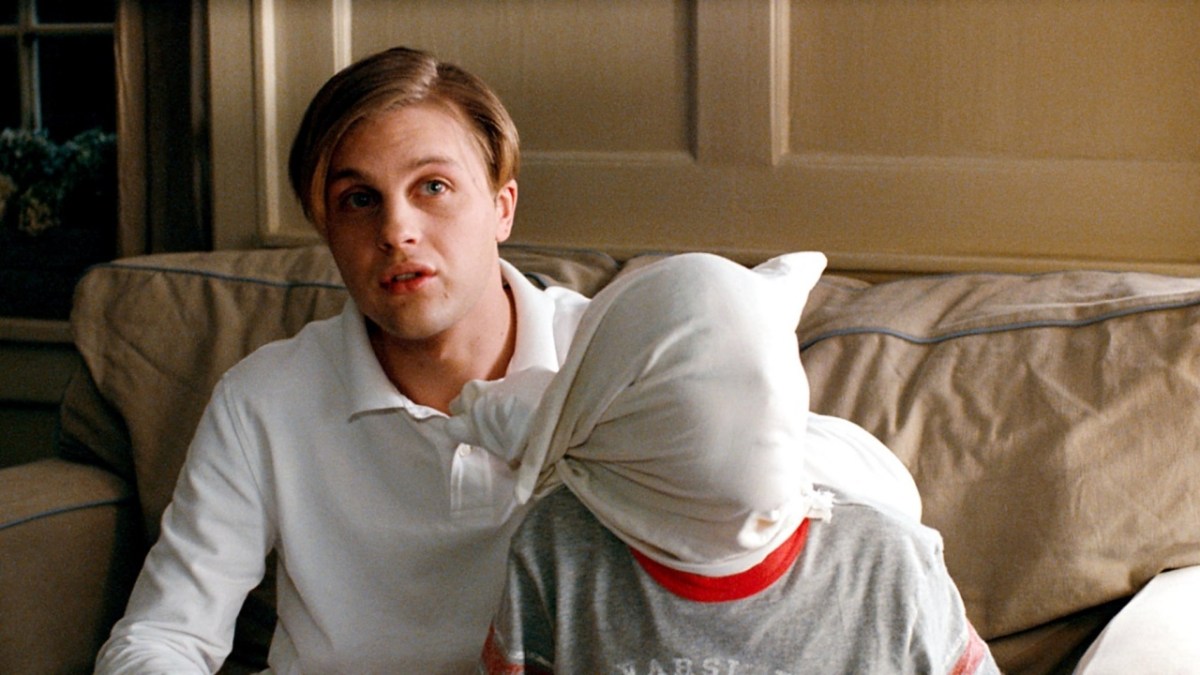
A shot-by-shot U.S. remake by Haneke himself of his earlier work, which might just challenge more viewers to tackle his singular filmography.

