







An unconventional, mosaic-like, though not always engaging account of the last day of Pasolini’s life—capturing the values, ideals and artistry of a filmmaker who was also an ideological provocateur.
Continue reading →

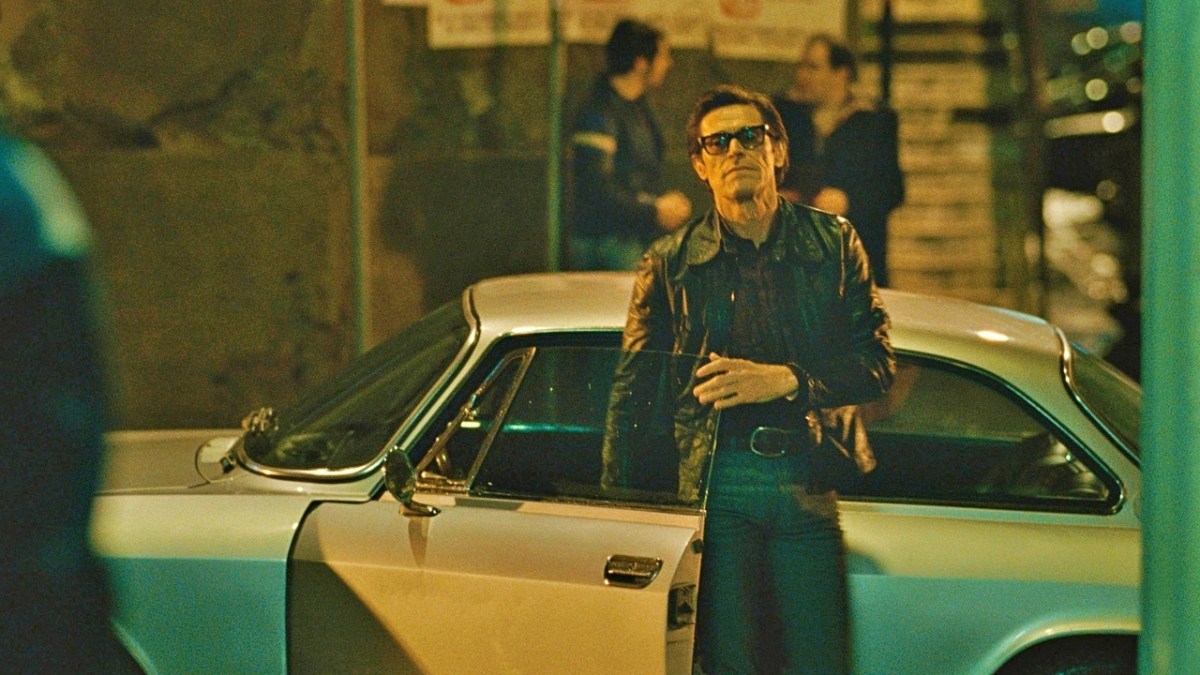
An unconventional, mosaic-like, though not always engaging account of the last day of Pasolini’s life—capturing the values, ideals and artistry of a filmmaker who was also an ideological provocateur.
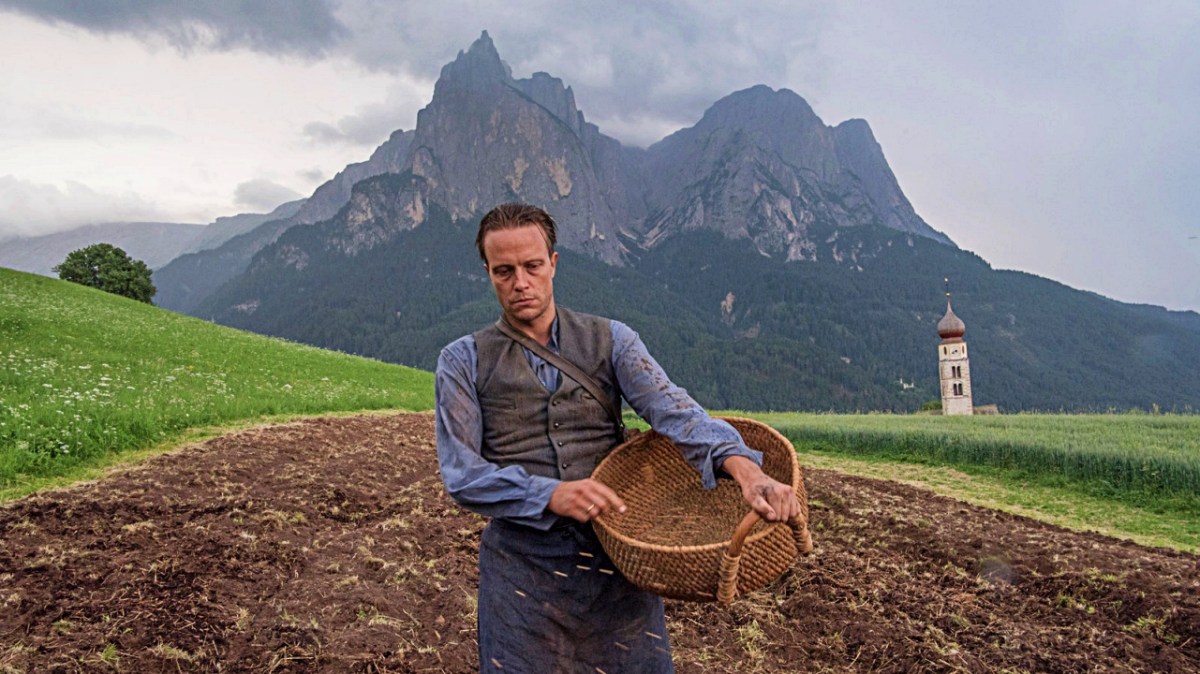
As beautifully-shot as any in Malick’s oeuvre, this three-hour long piece based on a true story of an Austrian farmer who refused to fight for the Nazis in WWII is somewhat a return to form for the American auteur whose work here might still come across as a tad flat.

Kim Ki-young reimagines his ‘Housemaid’ tale in colour in this stylish and devilish undertaking, featuring Oscar-winner Youn Yuh-jung in her acting debut.

This psychedelic, violent and sexually-charged cult classic is unlike any other in early Japanese anime, about a woman making a pact with the devil in an act of desperation.

Featuring an exceptional performance by Tom Hardy, Lawless is an assured and entertaining crime-thriller from John Hillcoat that is also very violent and bloody.

A masterful take on the post-apocalyptic genre that finds moments of genuine warmth despite its ultra-bleak setting and aesthetic, based on a book by Cormac McCarthy, and featuring outstanding performances from Viggo Mortensen and Kodi Smit-McPhee.

For better or worse, this is possibly the director’s most accessible film to date, lacking the wondrous mysticism of his previous works, yet at the same time it feels more intimate as a personal elegy.

Kiarostami shoots the close-ups of more than a hundred actresses as they watch a theatrical presentation unfold in this conceptually bold but ultimately uninvolving treatise on the nature of spectatorship.
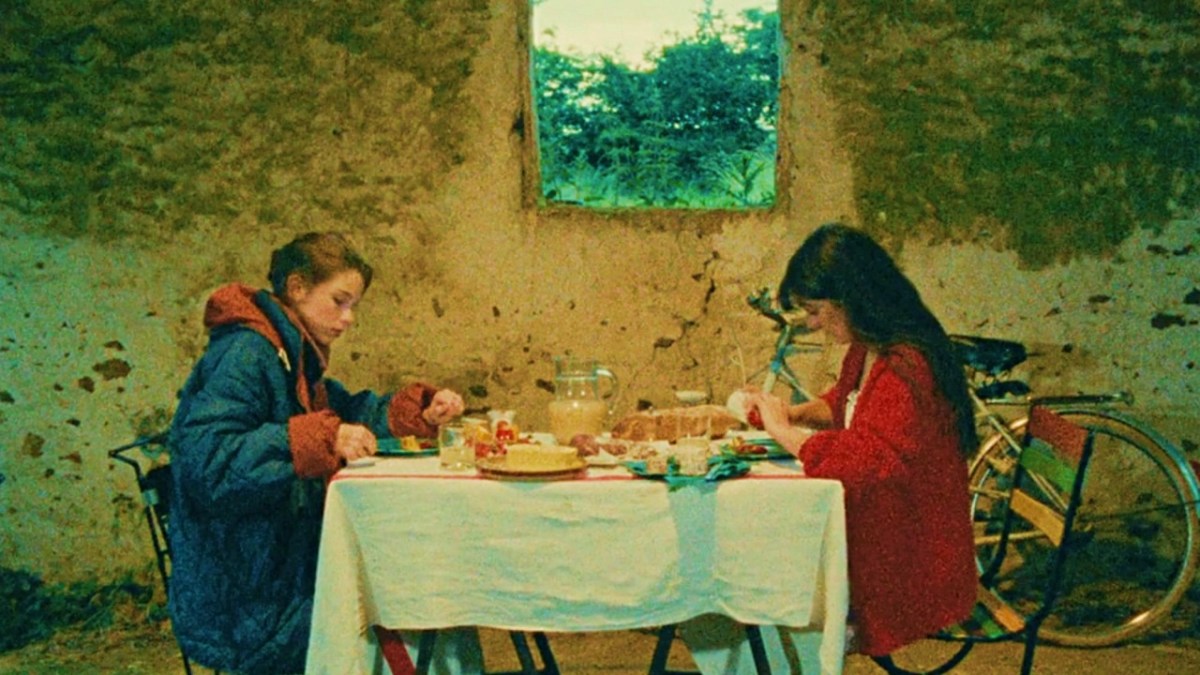
A delightful Rohmer omnibus as four short films featuring the two titular characters—one a countryside girl, the other a city girl—give us an intellectual if light-hearted take on how independent women can thrive in a manipulative society.

One of the defining highlights of the New French Extremity canon, Noe’s reverse-chronological film about the repugnant extremes of toxic masculinity belies the fact that it is not just an incredible work of formal brilliance but a deeply human treatise on the permanence of action and consequence.

