
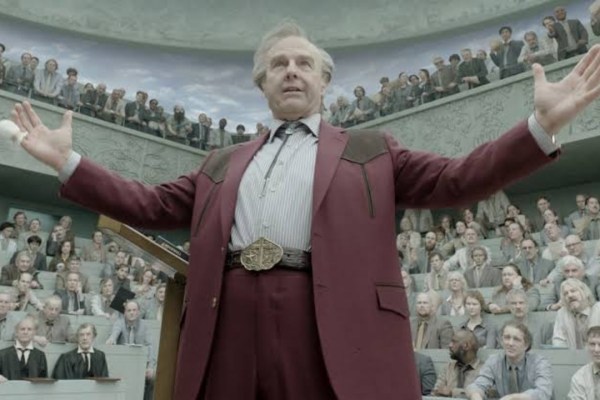
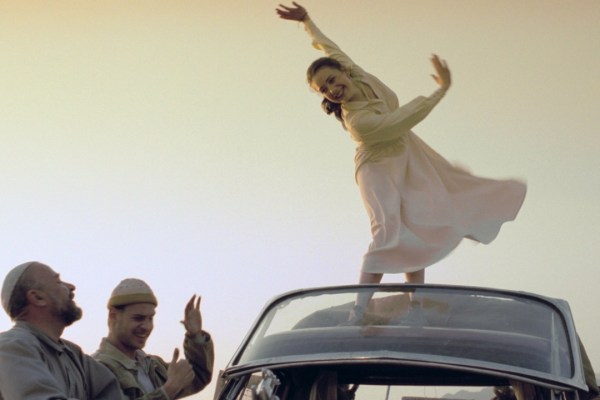
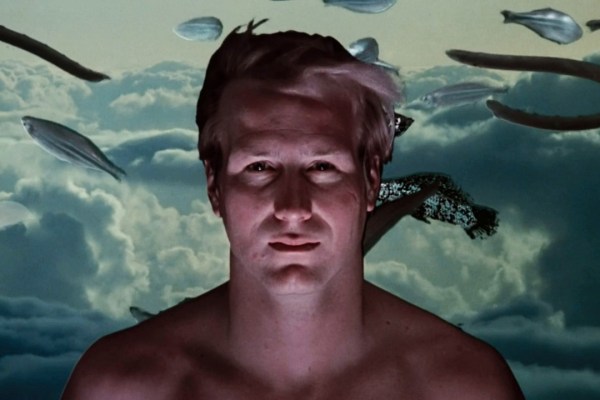





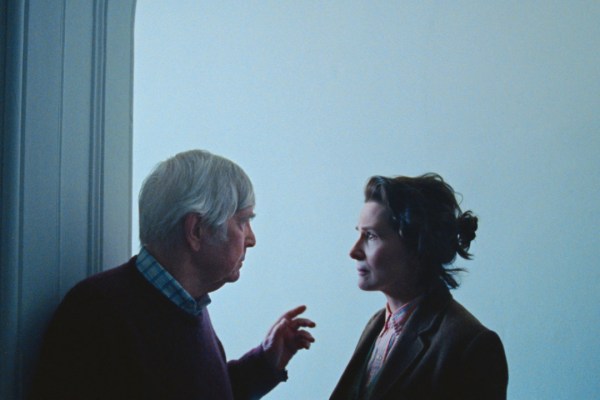
A transcendent, mosaic-like interpretation of an age-old myth, Nolan’s staggering spectacle finds new meaning in fragments of memory, imagination, and legend—an accessible epic whose audience extends well beyond self-declared Homerists.
Review #3,092
Dir. Christopher Nolan
2026 | USA, UK | Action, Adventure, Fantasy | 173min | Various aspect ratios depending on format | English
NC16 (passed clean) for violence and some language
Cast: Matt Damon, Tom Holland, Anne Hathaway, Robert Pattinson, Himesh Patel, John Leguizamo, Charlize Theron
Plot: After the fall of Troy, Odysseus embarks on an epic return journey to his homeland. Faced with foes from myth and legend, he will need to overcome impossible odds to return to the life he once knew—his kingdom, his wife Penelope, and his son Telemachus.
Awards: –
Distributor: Universal
Accessibility Index
Subject Matter: Moderate – Homer’s Odyssey; Journey Home; Finding Oneself; War & Destruction
Narrative Style: Complex
Pace: Normal
Audience Type: Mainstream
Viewed: Shaw Waterway IMAX
Spoilers: No
Homerists have long debated whether Homer was one person, a combination of poets, or the name attached to a much older oral tradition, where inherited fragments, sung and performed, gradually become a “core text”.
Christopher Nolan’s The Odyssey inadvertently mirrors that process of formation, its final shape likewise emerging from scattered bits of memory, imagination, and hearsay.
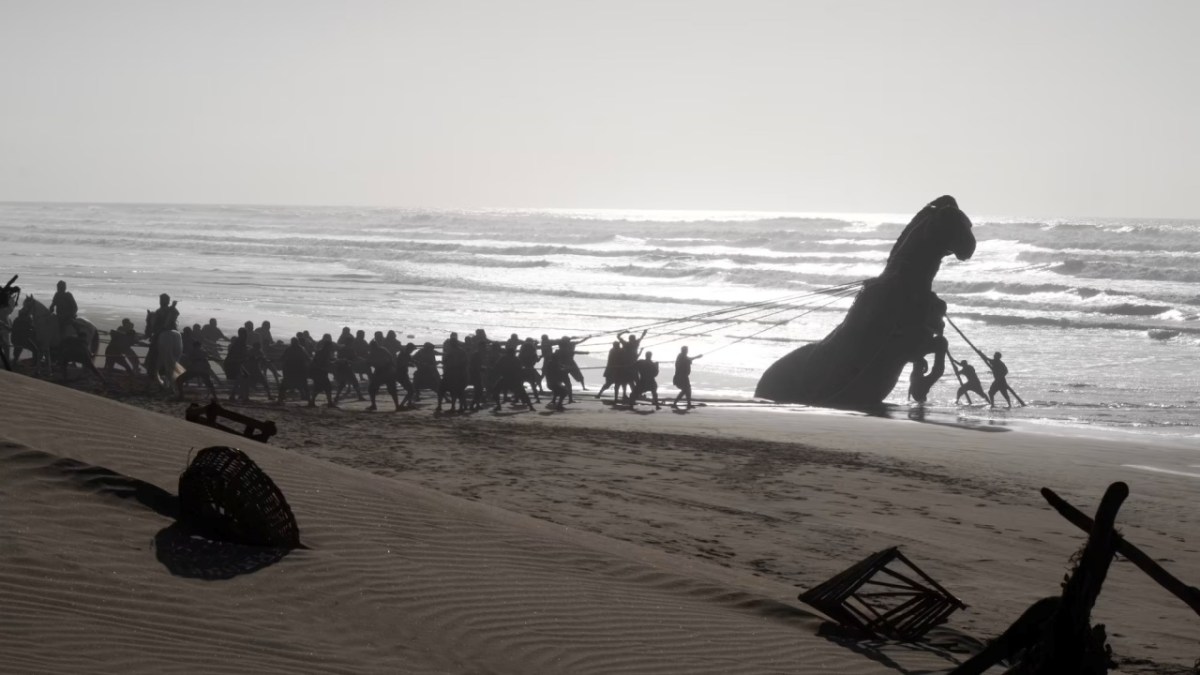
Some are more elaborate, like the many astonishing set pieces on display, while others may be more fleeting, like the brief flashback/forward shots that are peppered throughout.
We have Jennifer Lame to thank for assembling the film like a mosaic, in a style reminiscent of her Oscar-winning work on Oppenheimer (2023).
Much like the recurring image of ripples in a puddle that bookends that juggernaut of a biopic, individual moments in The Odyssey “ripple” outwards and coalesce into a larger visionary, mythological whole.
Both the grand picture and the tiny details dovetail in the director’s familiar mode—an almost obsessive reliance on exposition and visual motifs, as well as what Soviet silent-era icon Sergei Eisenstein had described as “overtonal montage”, where complex, overarching ideas could be “felt” abstractly through the techniques of editing.
In fact, in several interviews, Nolan has asked us to, first and foremost, “feel” his films.
“Why can’t gods speak in ways we understand?”
Like the ancient orators who crossed swords in the arena of mythmaking, withholding or embellishing details as they deemed fit, Nolan likewise aims not for a definitive adaptation, but for what scholar Douglas Brode called a “fighting text” in his 2000 book, Shakespeare in the Movies.
Brode alluded to each screen adaptation as singular and unique, but also contested and temporary, until it is reshaped years, centuries, or millennia later.
If it isn’t already obvious enough, this is not a traditional review. I omitted characters, plot, and themes intentionally for two reasons: First, it’s just meaningless to do so for such a popular and soon-to-be culturally saturated work.
Second, and more importantly, I went into The Odyssey mostly blind, not knowing anything except for the famous Trojan horse and the names of some Greek gods I vaguely recall from childhood…
… and came out of the IMAX cinema sprouting a third eye.
If nothing else, Nolan’s magnum opus (well, until the next one) is most impressive to me for its transcendent accessibility. In fact, it needs to be to succeed—after all, his audience extends well beyond self-declared Homerists.
Grade: A
Trailer:
Music:

