


This is one of the franchise’s most daring entries—bloodier, gorier and more morally ambiguous.
Continue reading →

This is one of the franchise’s most daring entries—bloodier, gorier and more morally ambiguous.

As far as Thumbelina-esque stories go, this Studio Ghibli effort doesn’t break new ground, but its attention to detail and little moments of heartfelt emotions keep it engaging.
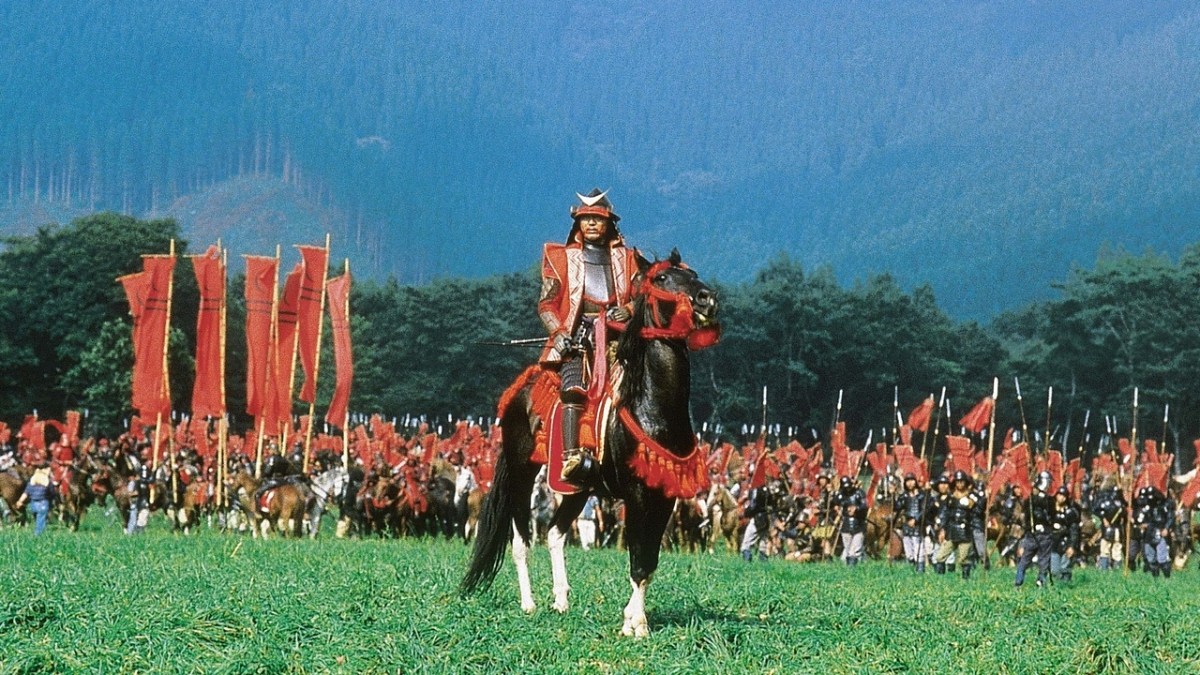
Among the masterpieces of Kurosawa, this one sits confidently at the very, very top, and is quite rightly one of the greatest films ever made of all-time.

Perhaps unfairly regarded as a minor Ghibli, there’s something deeply charming about its portrayal of teenage infatuation and matters of the heart that are set against the context of high school life.

My favourite feature debut from the French New Wave—an extraordinary meditation on trauma, memory and love as Resnais merges the historical, geographical and the personal in an intelligent and sensuous way.

This 15th installment’s focus on drama and storytelling is noteworthy, building to one of the series’ finest action-packed climaxes.

Kurosawa’s final collab with Mifune yields a near masterpiece about humanity that is beautiful, poetic and enlightening.

Kurosawa’s underrated gem of a masterwork is both an emotionally tense domestic drama, and a hot and sweaty police procedural.

A lighter if lesser effort by Kurosawa, but it is no less entertaining and darkly comic than its companion piece ‘Yojimbo’ (1961).
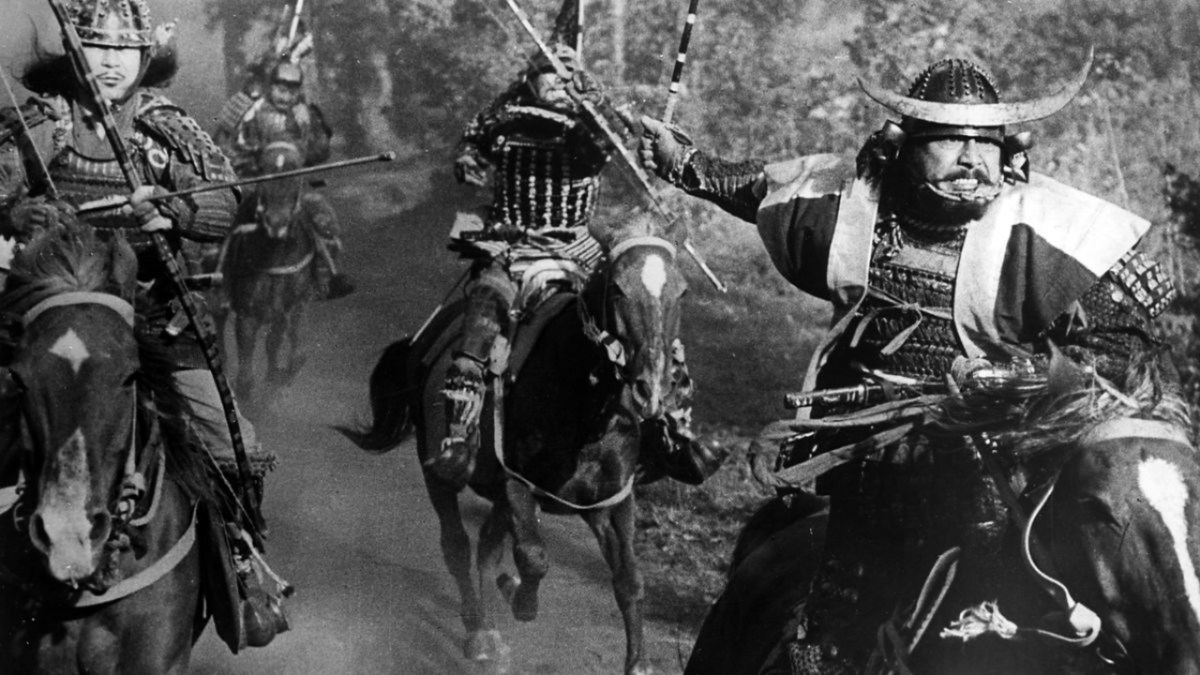
Kurosawa’s Noh-influenced take on ‘Macbeth’ is elemental, engrossing and one of the greatest screen adaptations of Shakespeare.

