

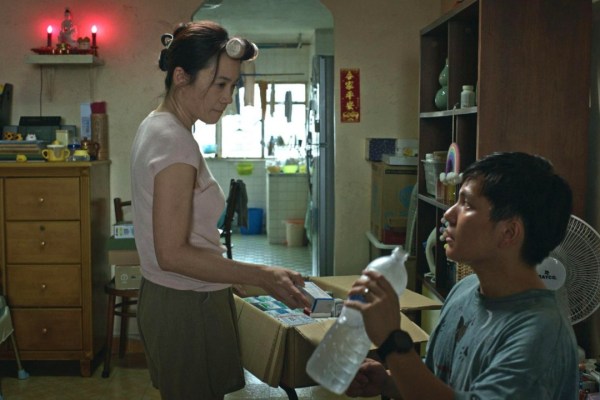
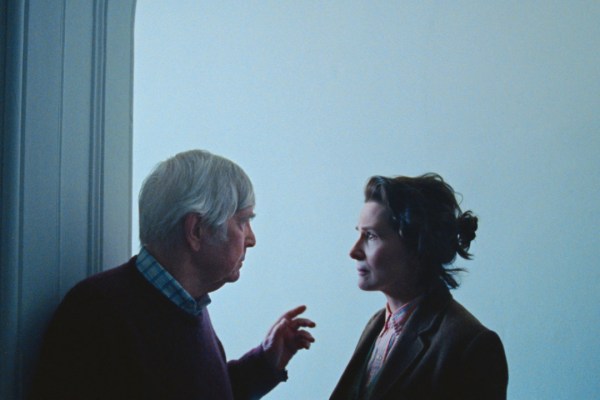

There’s a certain indescribable sense of tranquility and ‘silence’ to this beautiful melancholic work that is as much about grief as it is about the end of mourning.
Continue reading →

There’s a certain indescribable sense of tranquility and ‘silence’ to this beautiful melancholic work that is as much about grief as it is about the end of mourning.

This psychedelic, violent and sexually-charged cult classic is unlike any other in early Japanese anime, about a woman making a pact with the devil in an act of desperation.
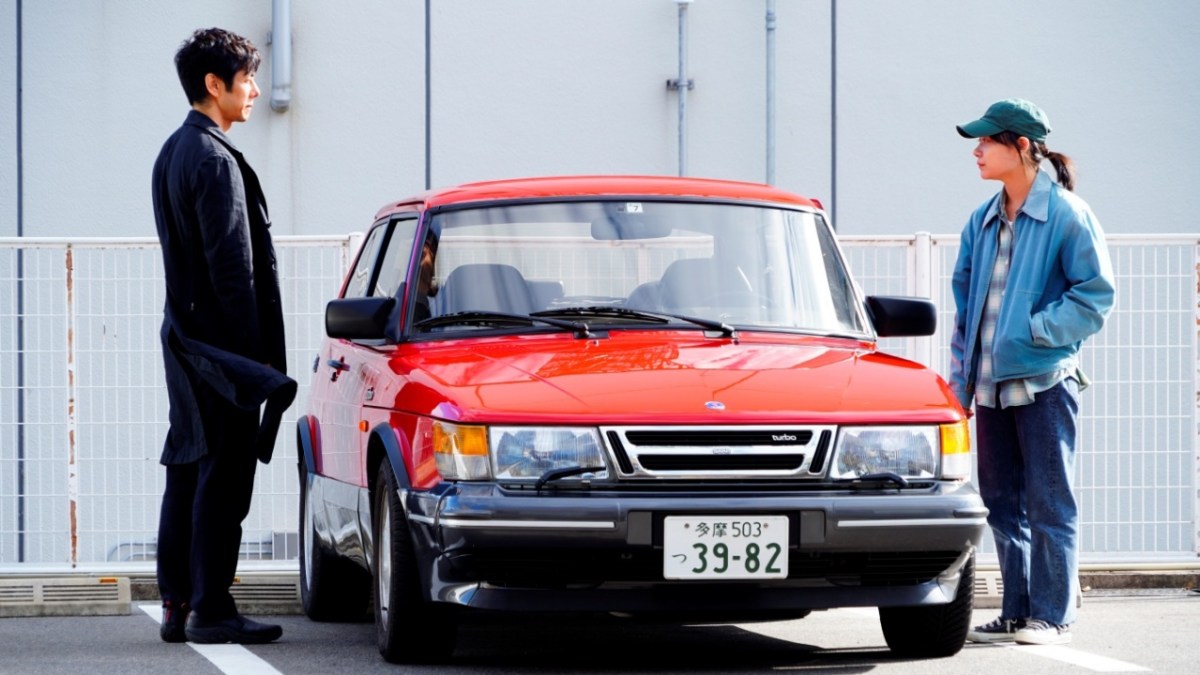
Three hours fly by in Hamaguchi’s gentle Cannes Best Screenplay winner—a highly-layered and nuanced take on the unresolved regrets and guilt that stay deep within us and the affordances of performance art and unlikely acquaintance as catharsis.

Oshima confidently mixes eroticism with the supernatural in this beautifully-shot murder-cum-ghost tale that is rich in old-world atmosphere.
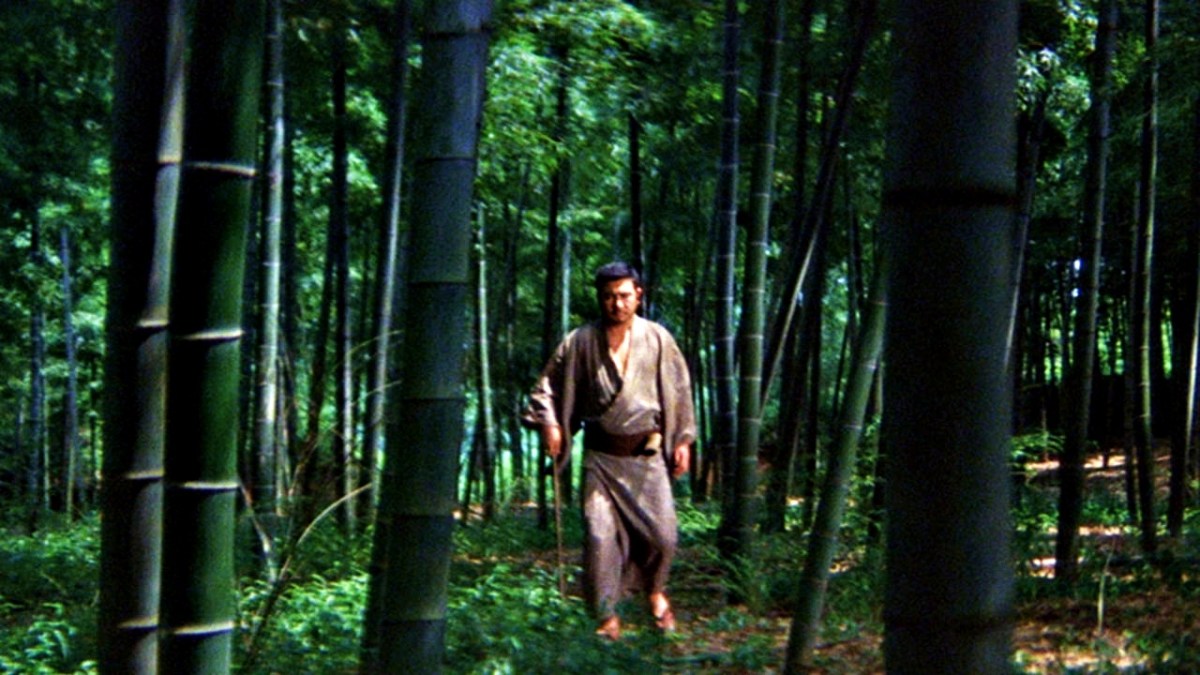
This mostly decent 18th installment balances drama with sharp swordfighting action in what is a decidedly darker film in tone.

One of the most notorious films in the history of cinema—its explicit, unsimulated depiction of sex hides a troubling exploration of social alienation.
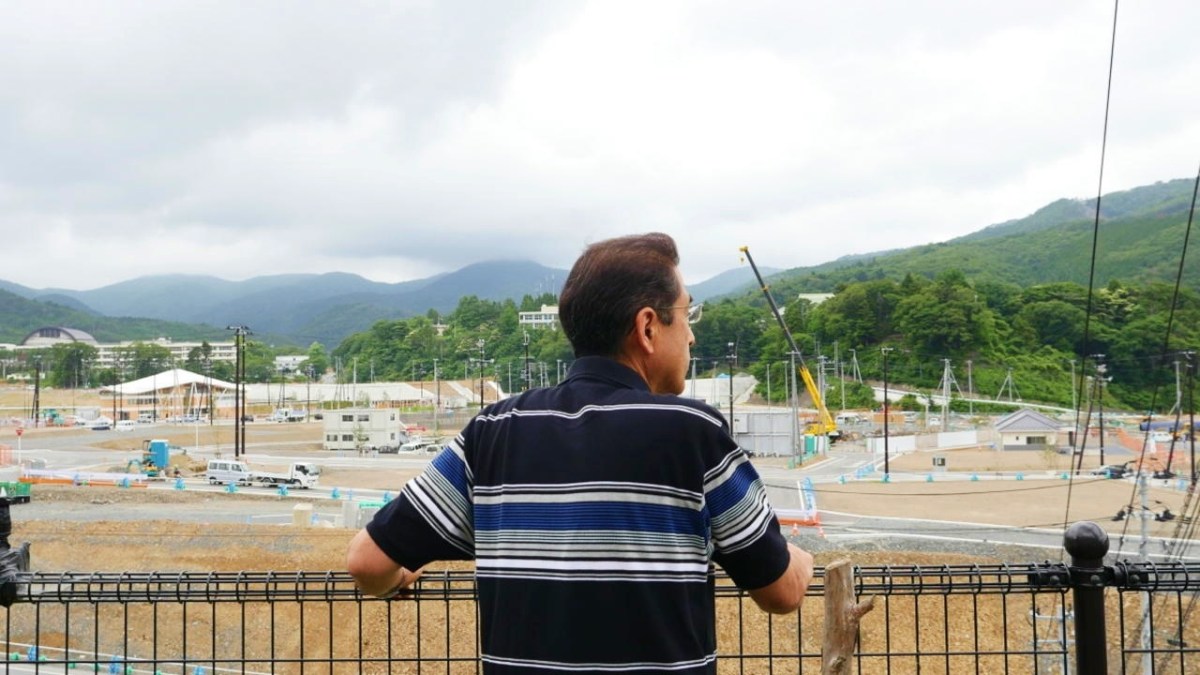
This heartfelt, partially-animated documentary centering on a Japanese man who lost his wife in the 2011 tsunami doesn’t have any pretensions and works because of its sincerity.

Arguably Studio Ghibli’s weakest film, Goro Miyazaki’s debut feature is poorly-paced with a story that doesn’t sparkle, despite the beautiful, otherworldly visuals.

A terrific Zatoichi flick and one of the series’ very best, Misumi’s focus on story and characterisation is the real sleight-of-hand here in this slower but well-paced movie.

While it isn’t as narratively bold and exciting as some of Studio Ghibli’s best works, there is still an emotional story about family and complicated pasts lying within.

