

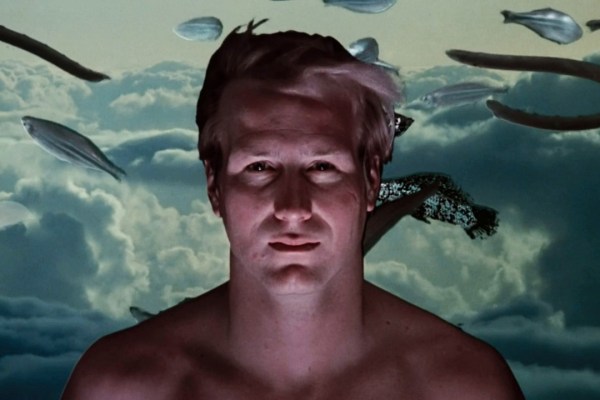

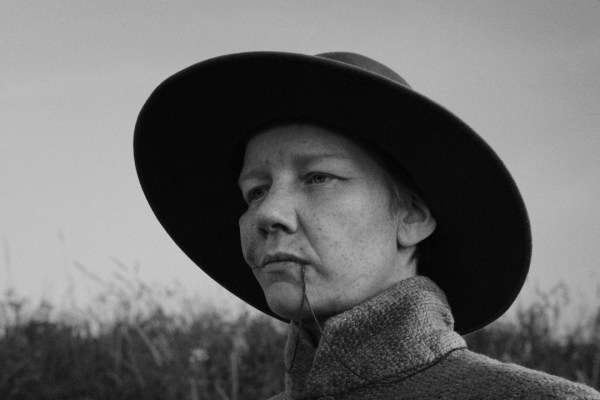




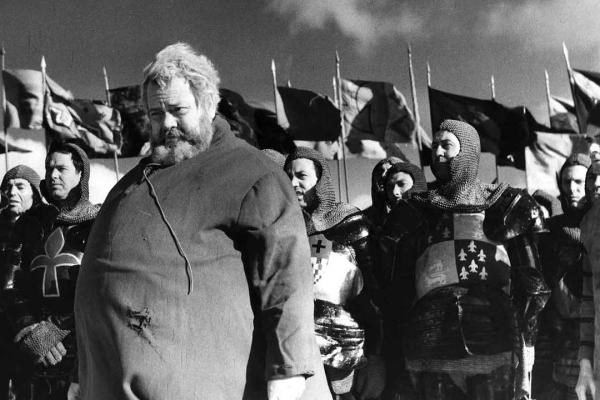

Extramarital affairs don’t get any more enigmatic and impenetrable than Resnais’ hypnotic Venice Golden Lion-winning anti-romance that boldly discards structure and narrative, leaving only unreliable memories and narrators.
Continue reading →

Extramarital affairs don’t get any more enigmatic and impenetrable than Resnais’ hypnotic Venice Golden Lion-winning anti-romance that boldly discards structure and narrative, leaving only unreliable memories and narrators.
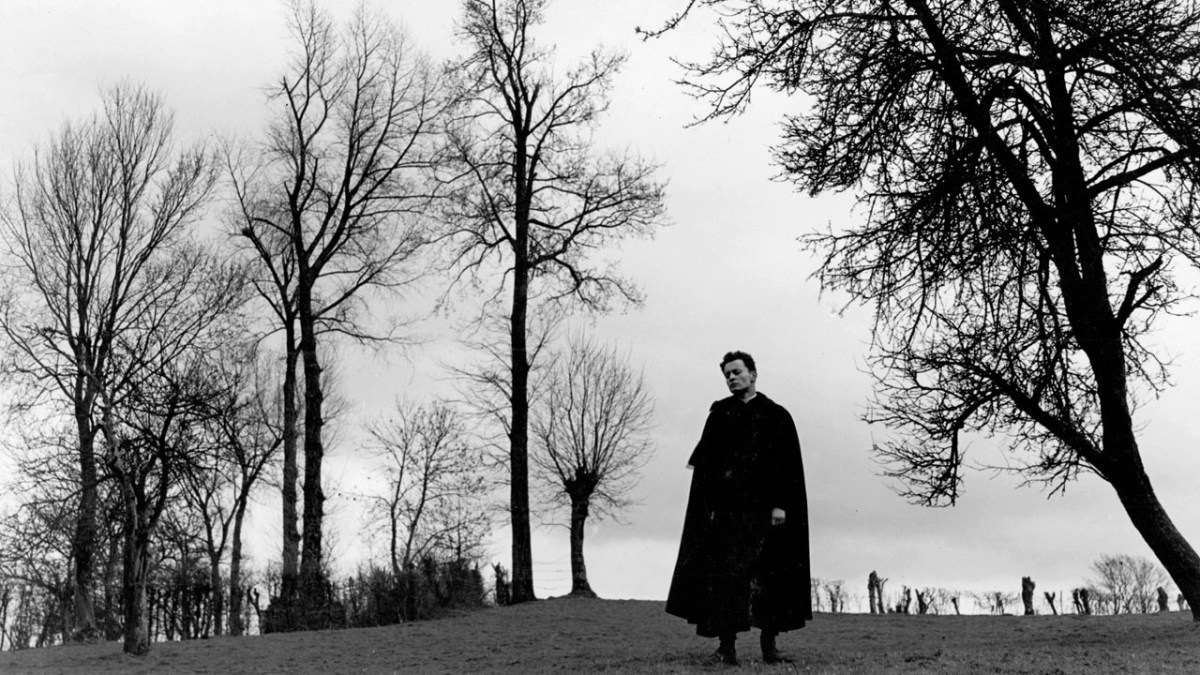
One of the world cinema’s most ‘interiorised’ films about religious faith as Bresson centers on the thoughts of a suffering priest who is received coldly in the new village he has been posted to.
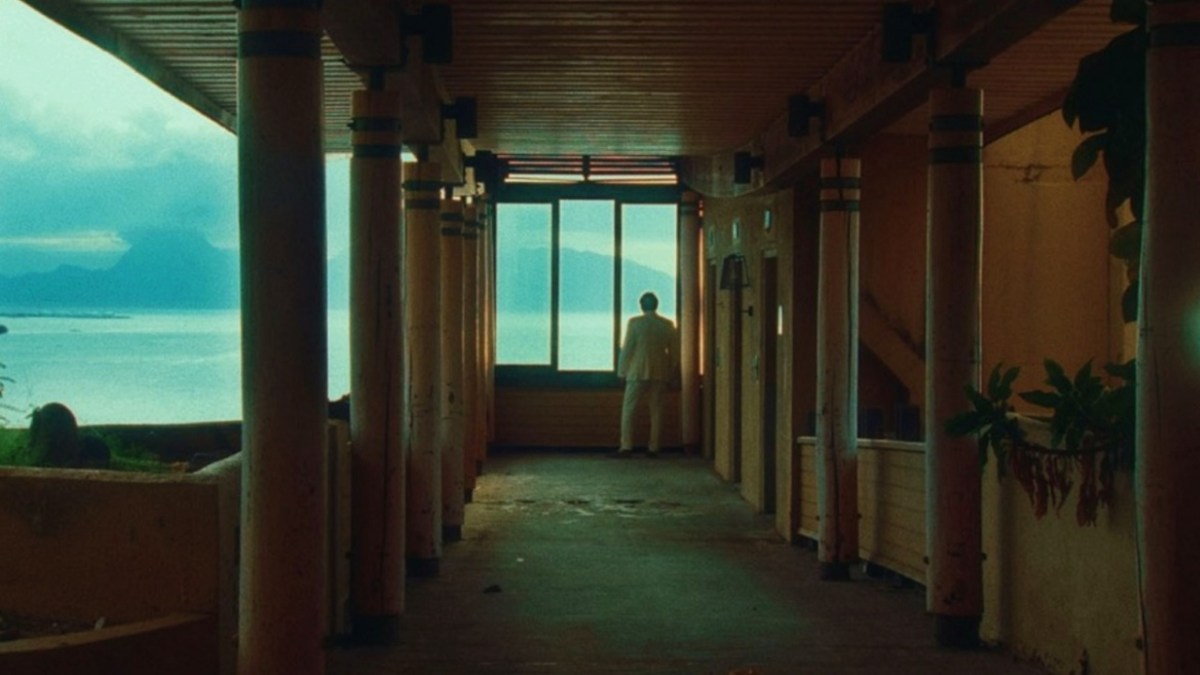
Serra’s latest ‘slow cinema’ effort is at times hypnotic and beguiling, though it isn’t always consistently rewarding as he weaves a tale set in Tahiti about a stagnating High Commissioner who becomes privy to the prospect of something unimaginably nightmarish happening to his beloved French Polynesian island.

Twists and revelations are aplenty in this intricately-plotted, suspense-driven crime noir that sees Melville and Belmondo collaborate for the second time.

Melville’s sly if laidback anti-heist noir (if there ever was one) is an absorbing take on how individuals and the collective operate in matters of vice and deception.
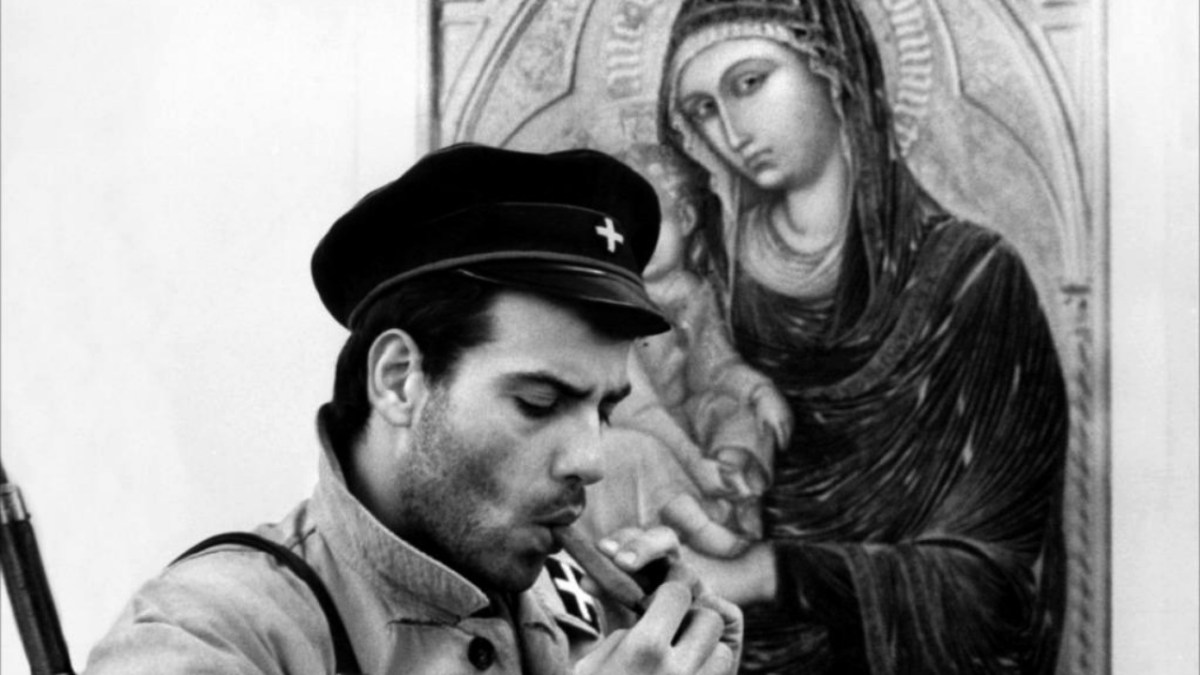
This is every bit how you might imagine Godard making an anti-war film would look and feel like—it’s darkly comic, blistering in its attack on warmongers and a fairly underrated work of his early phase.

Nuns of all kinds—caring, sadistic and lesbian—adorn Rivette’s controversial and sardonic sophomore feature about the ironies of religious faith, built around arguably Anna Karina’s most enigmatic performance.
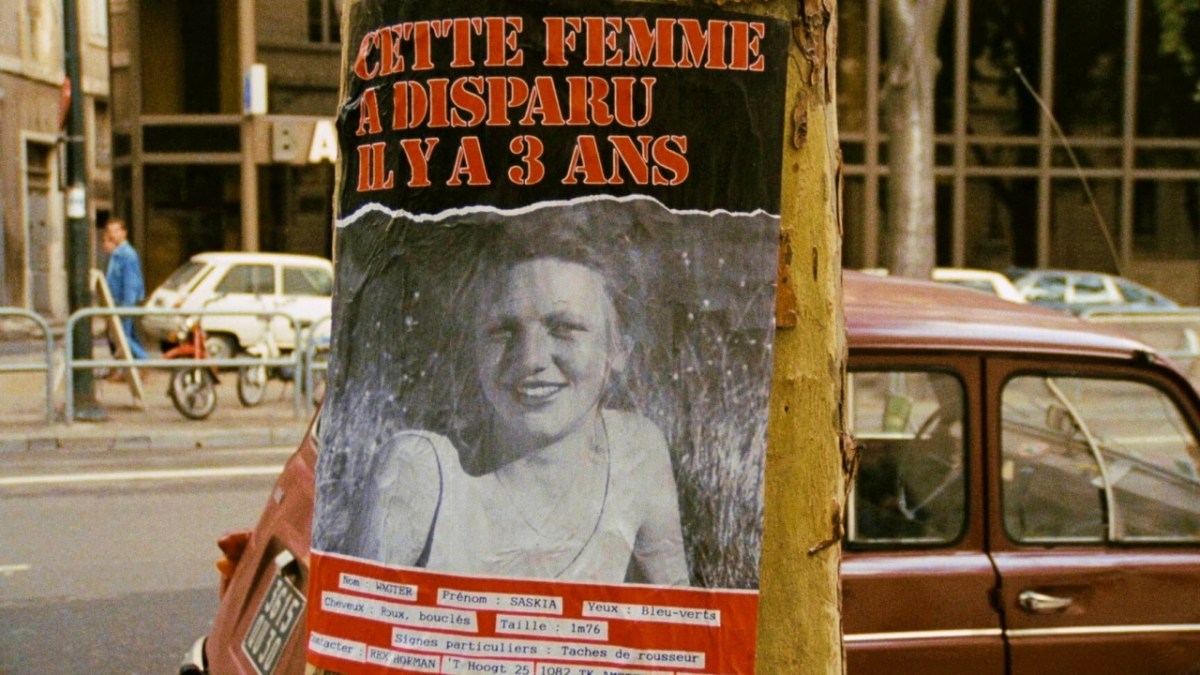
As far as European crime mysteries about disappearances are concerned, this is one of the most unforgettable flicks of the ‘80s—a psychological thriller with an exacting disposition and a denouement that will haunt you for weeks.
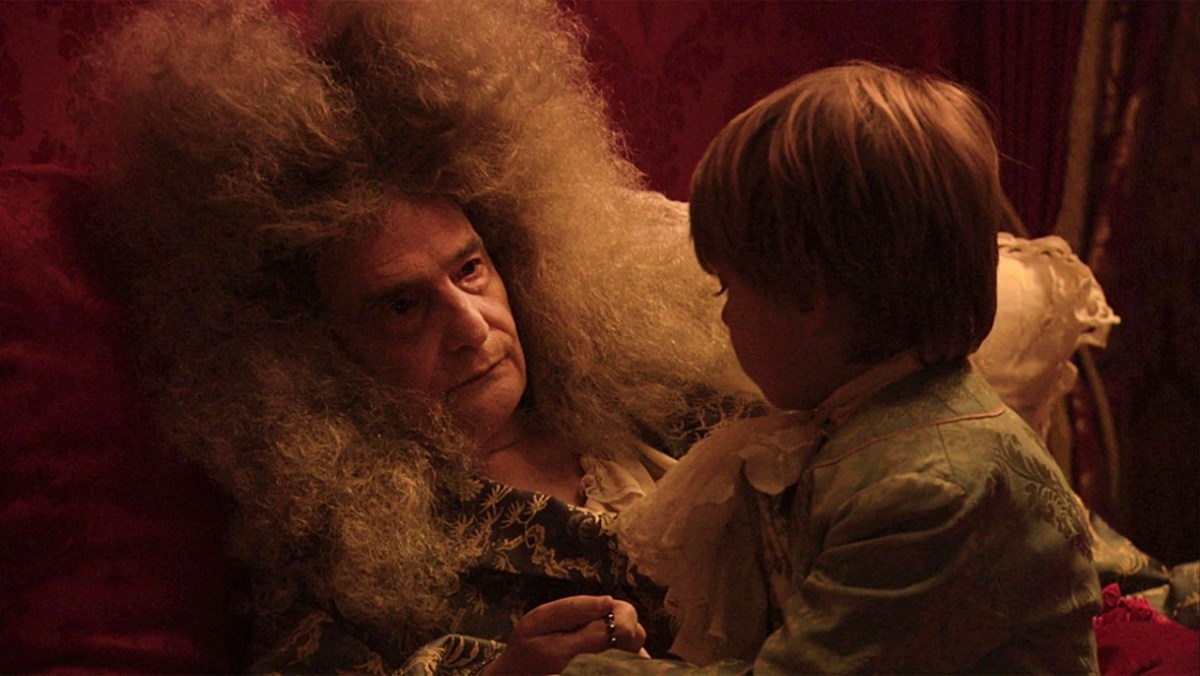
French New Wave icon Jean-Pierre Leaud lies bedridden for two hours in Albert Serra’s exquisite, slow-burning 18th-century take on the agonising final days of the famous Sun King, shot with such a high fidelity to history that one might mistake it for documentary authenticity.
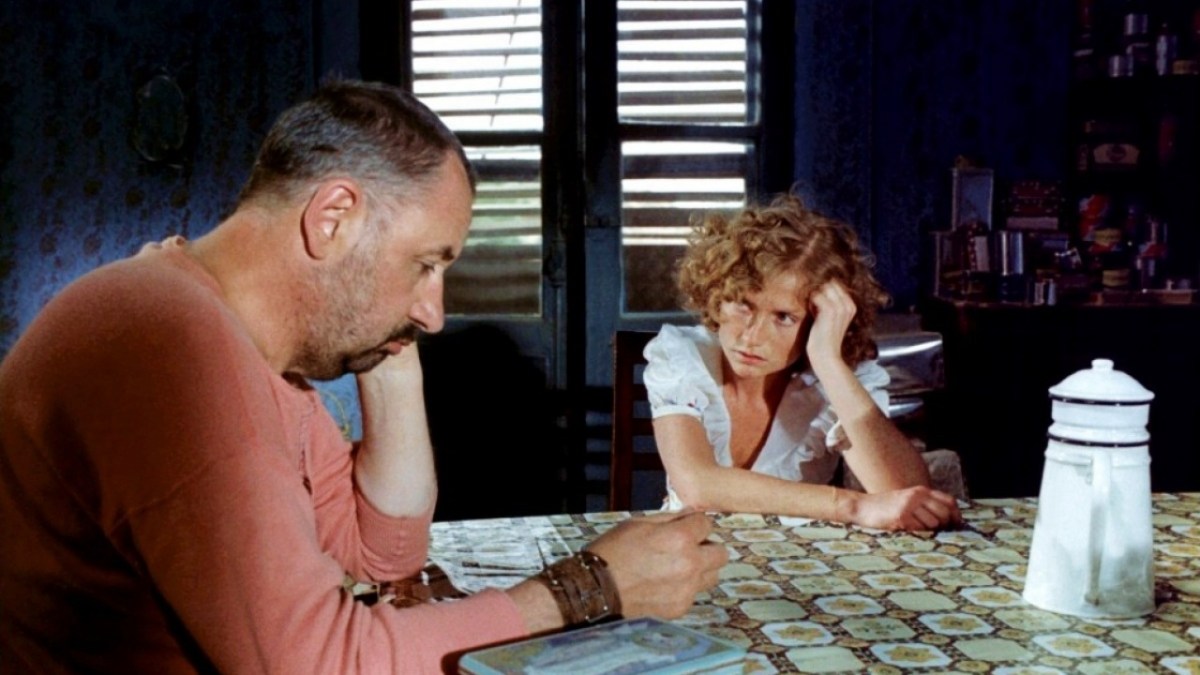
This acidic, darkly comic French neo-western adapted from Jim Thompson’s Texas-set novel, but brilliantly transposed to West Africa, is one of Tavernier’s greatest accomplishments.

