




Sweeping, intimate and emotional, Salles returns to form with his first fiction feature in 12 years as a close-knit family is irreversibly impacted by the Brazilian military dictatorship in the early 1970s.
Continue reading →


Sweeping, intimate and emotional, Salles returns to form with his first fiction feature in 12 years as a close-knit family is irreversibly impacted by the Brazilian military dictatorship in the early 1970s.

Ichikawa’s marvellous coverage of the 1964 Olympic Games is one of the all-time finest sports documentaries, at times poetic and abstract, and always interested in the bodies, faces and movements of athletes and spectators rather than who wins or loses.

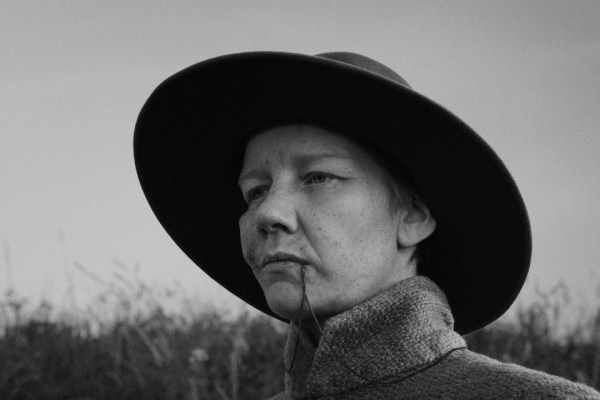
A breathtaking film to look at, this understated Venice Grand Jury Prize winner explores war and gender as a deserting soldier causes tension in a remote Italian commune hidden away in the mountains, and thus spared from the horrors of WWII.

This Panahi-Kiarostami collab is an edgier though not always engaging part-‘thriller’, part-social critique about personal humiliation and vendetta as a delivery man is constantly reminded of his working-class status.

Powerful when it needs to be, this humanist drama centers not on politics but the tragedies that befall children caught in the midst of war.

An exceptional performance from Nicole Kidman sees her play a CEO drawn to playing a game of risque and risk with a young male intern, as this somewhat miscalculated film forces us to question the moral quandaries of professional and sexual domination and submission.

Bong’s directorial feature debut is already a solid showcase of his trademark tonal control, effortlessly alternating between light and dark humour, and peppered with dramatic tension, as a married but unemployed scholar wants to get rid of an annoying barking dog in his estate.

An orphaned brother and sister are separated by child social services in Adam Elliot’s life-affirming if darkly amusing stop-motion animated Australia, where misfits, weirdos and religious fanatics reside.

A mix of avant-garde Godard and topographical Rivette, but wholly Oshima in this occasionally ponderous meta-filmic and self-reflexive take on what it means to engage politically with filmmaking as a character leaves a mysterious final reel of film after committing suicide.

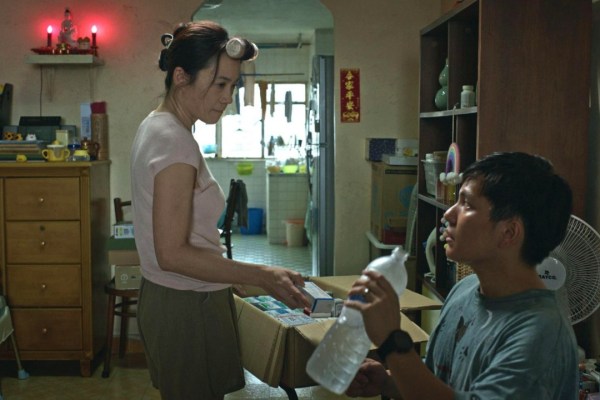
A work fundamentally rooted in voyeurism and the invasion of personal space in private and in public, Yeo’s part-mystery, part anti-thriller teases us with its form and structure as a young couple tries to find their missing child who has disappeared in mysterious circumstances.

