



Some pacing issues aside, Tarantino’s only screen adaptation mostly works because of our faith in his characters and where he takes them to.
Continue reading →

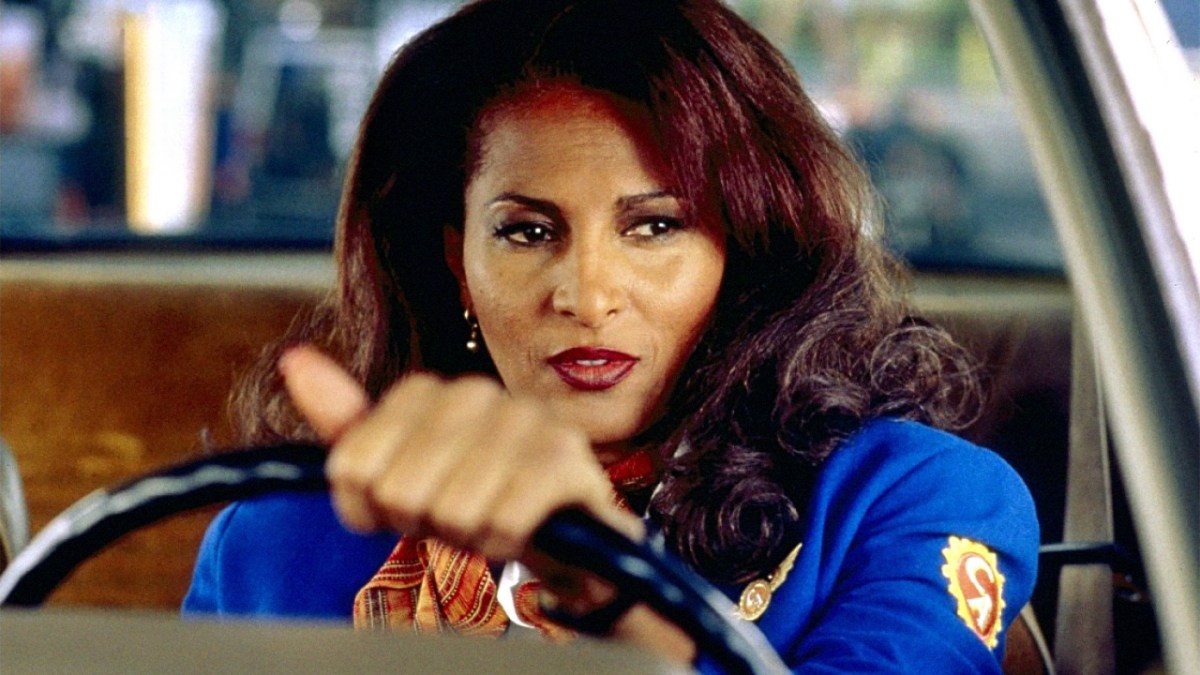
Some pacing issues aside, Tarantino’s only screen adaptation mostly works because of our faith in his characters and where he takes them to.

Costa-Gavras sets his sights on Latin America in this superbly-constructed political-thriller that raises questions about the United States’ complicit involvement in counterinsurgency, torture and violence.
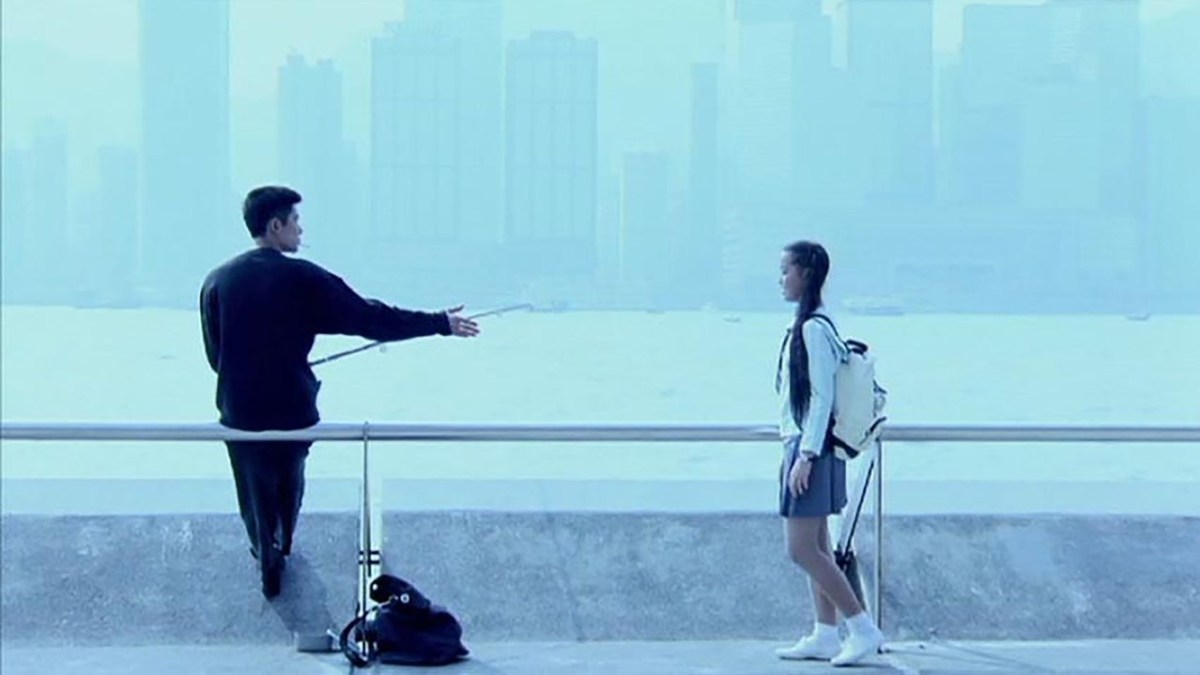
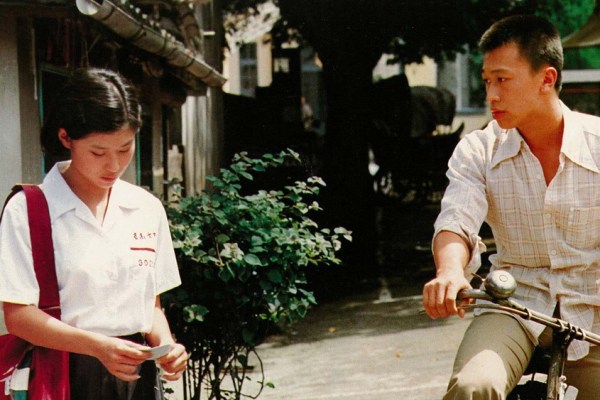
A Japanese man and a Hong Kong schoolgirl try to find meaning in their lonely existence as they are faced with uncertainties of the future in this thoughtful and introspective drama.

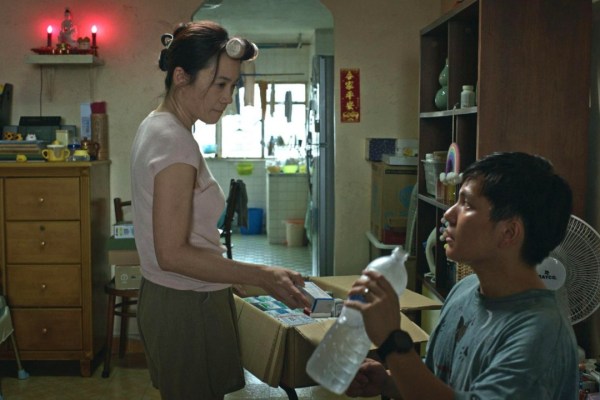
In this quite assured feature debut, Arvin Chen explores not so much true love at first sight, but rather the site of first true love.
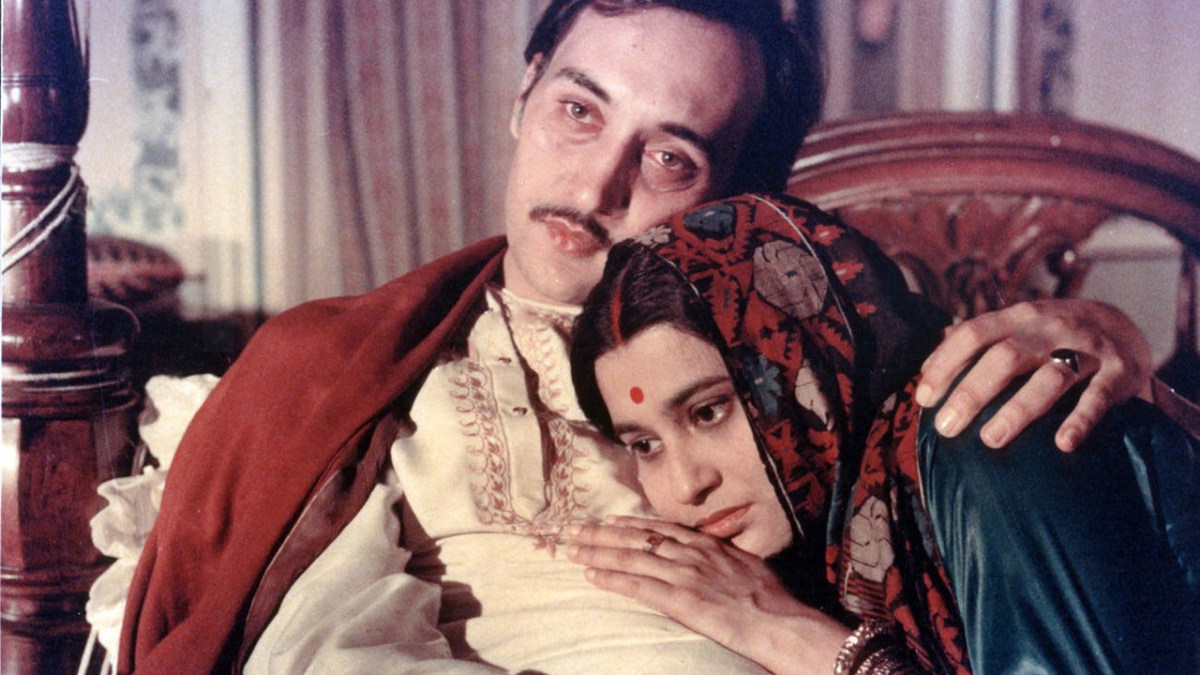
Ray’s third adaptation of Rabindranath Tagore’s work late on in his career is a quietly-composed and deliberately-paced tale about the intertwining of domestic and national affairs.

One of Malle’s finest works, this restrained drama builds up slowly, only to leave you emotionally shattered by the end of it.

Intense performances by the ensemble cast, in particular Meryl Streep and Julia Roberts, elevate this honest and painful portrait of a feuding family to rather solid drama status.

This silent film about silent films will be sure to make enough noise to garner some trophies come awards season.

It does feel overly-plotted, but this fifth ‘Zatoichi’ installment builds up to an all-out street gang war.

Shot in austere long takes, this post-apocalyptic drama from Ukraine is a cautionary tale on both the psychological and ecological impact of war.

