


Dovzhenko’s representative if propagandistic work of the Soviet silent era is visually poetic even if in retrospect its pro-Stalinist call for collectivism remains controversial.
Continue reading →

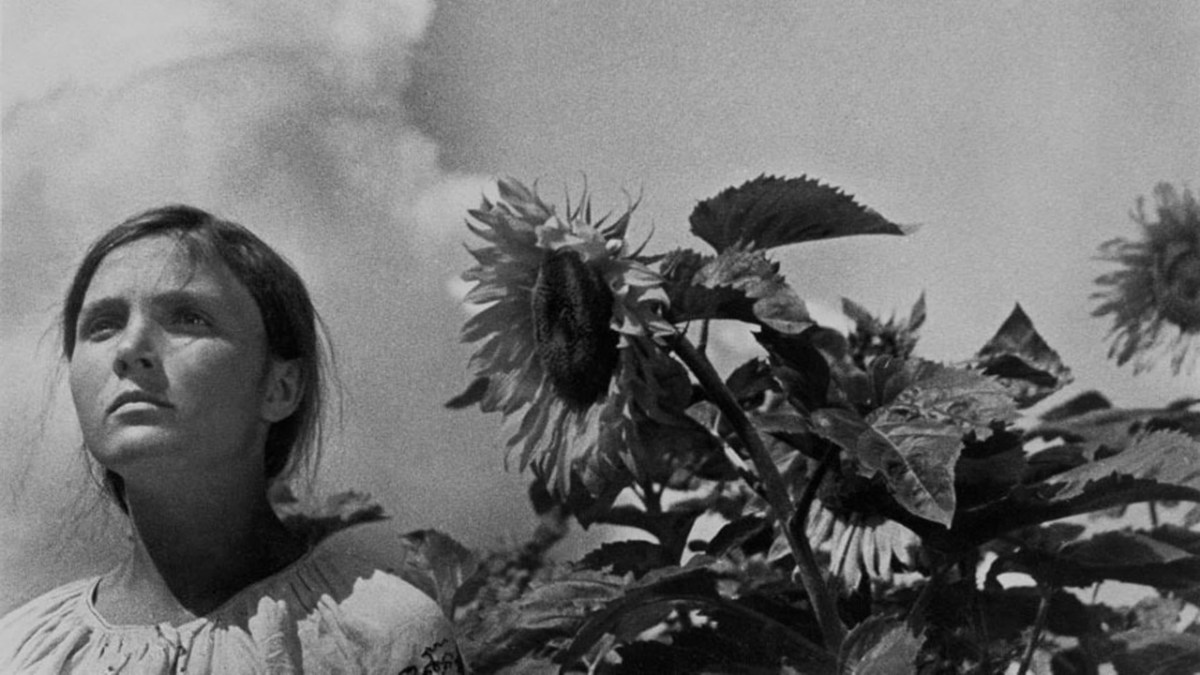
Dovzhenko’s representative if propagandistic work of the Soviet silent era is visually poetic even if in retrospect its pro-Stalinist call for collectivism remains controversial.
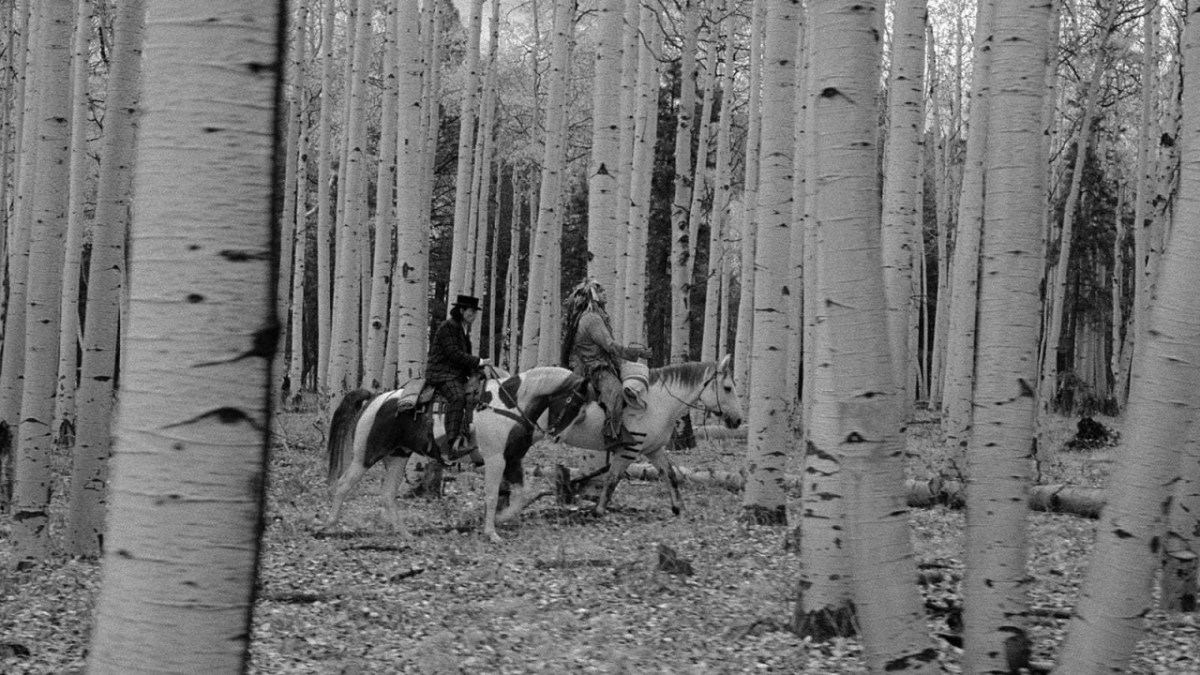
A stylish revisionist anti-Western masterpiece by Jim Jarmusch that is both surreal, spiritual and poetic, backed by a stunning improvised ‘live’ score by Neil Young.

Intentionally shot in drab lighting and colour, Larrain’s follow-up to ‘Tony Manero‘ may be lacking in genuine emotions, but is unsettling and clinical.
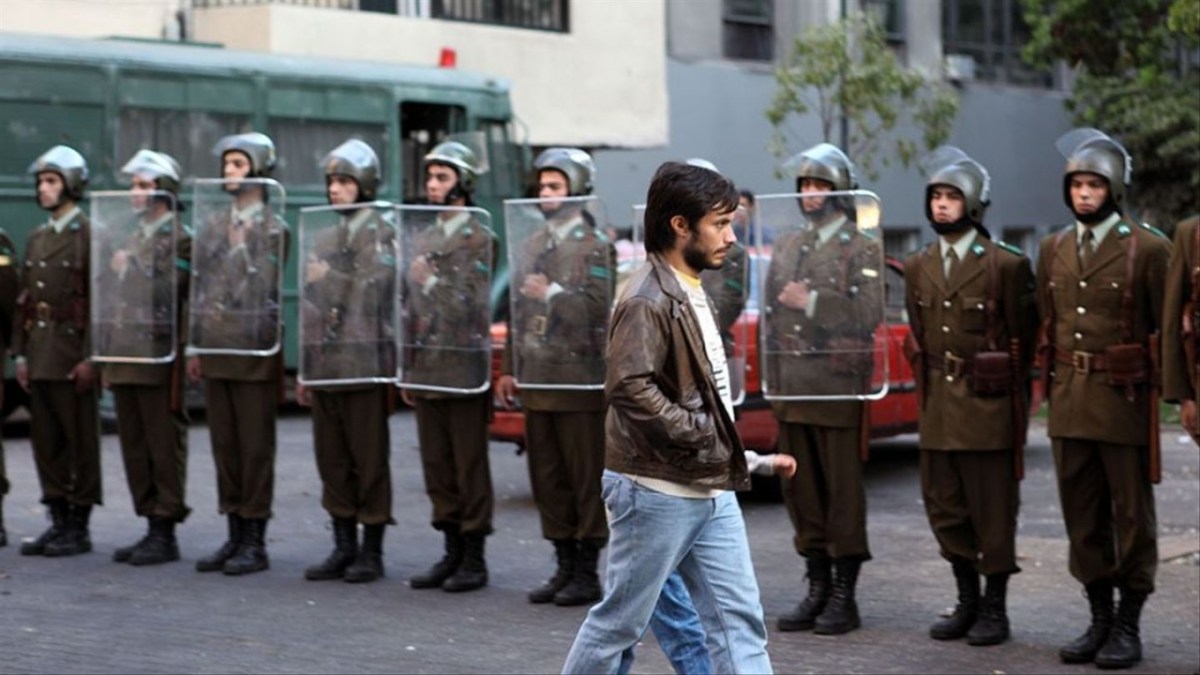
A dramatization of Chile’s 1988 historical referendum through the eyes of a campaigning ad executive with quite impressive blending of archival footage and period detail.
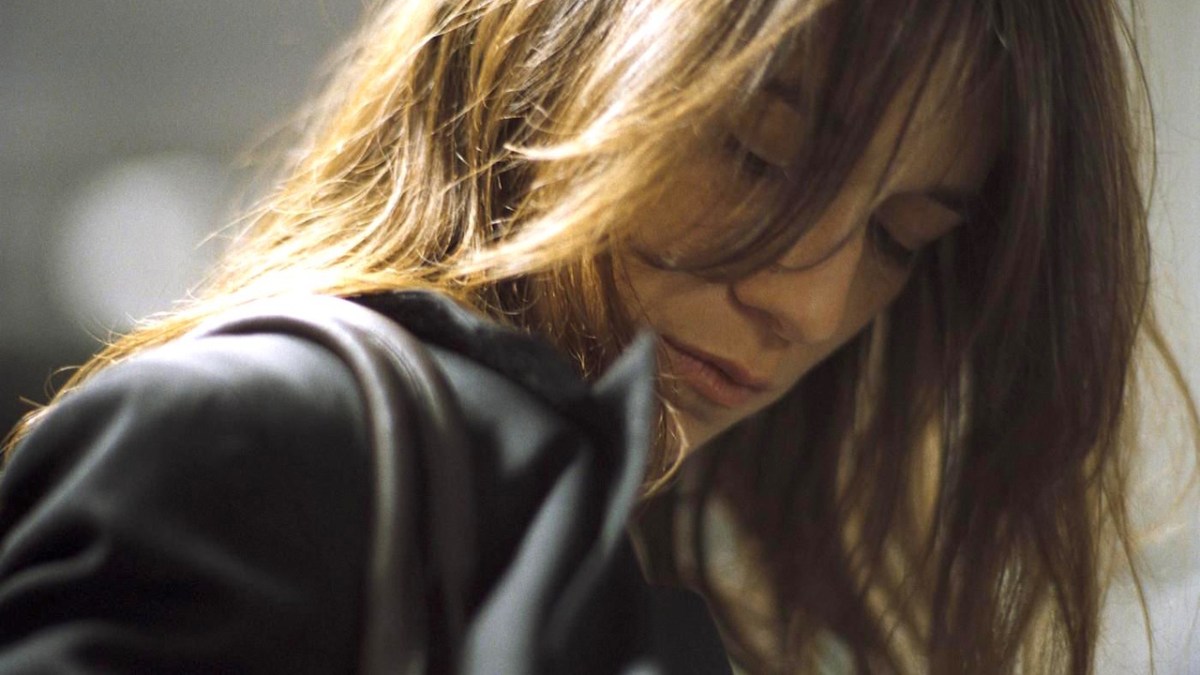
A strong performance by Romain Duris can’t quite lift Patrice Chereau’s faltering final film about the incommunicability and anxiety of human relationships.
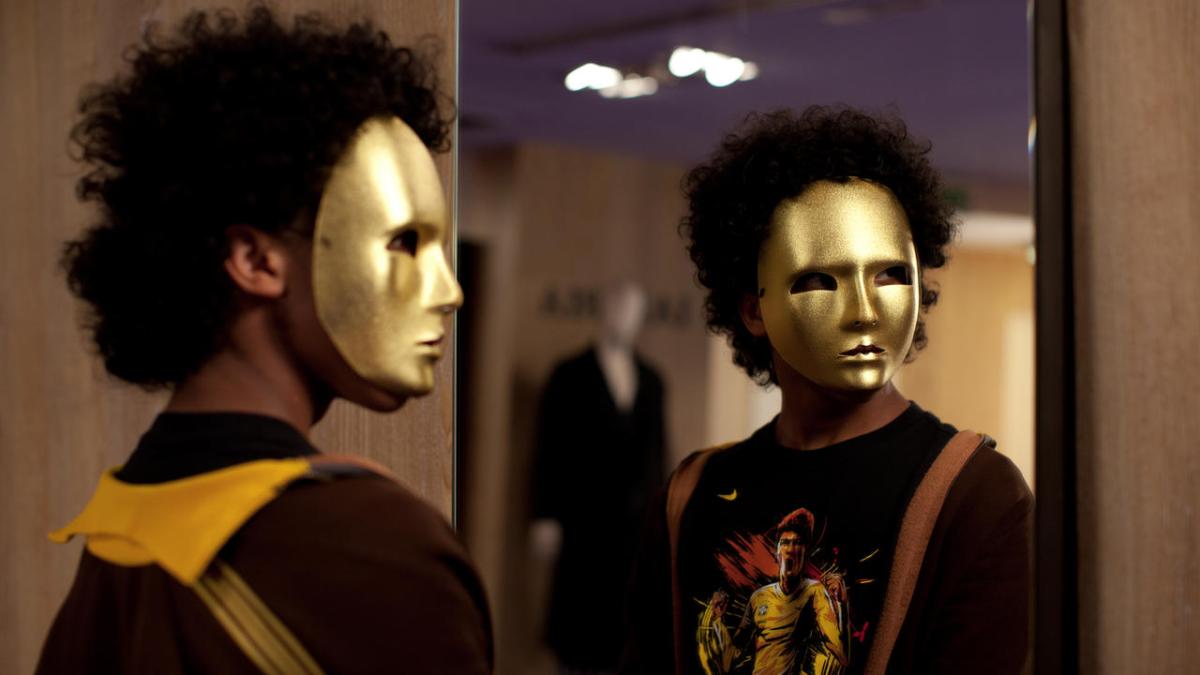
Bonello’s work about French homegrown terrorism is quite sensational in its thematic provocations and play with cinematic language.
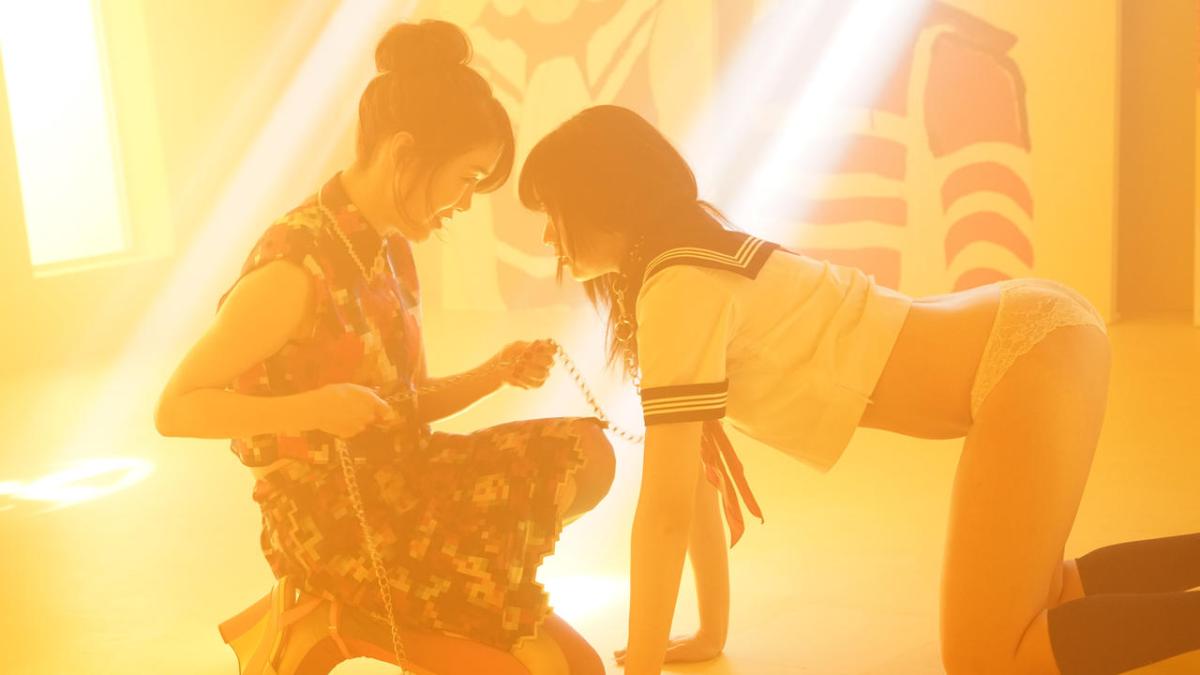
The enfant terrible of contemporary Japanese cinema gives the ‘Roman Porno’ series by Nikkatsu a cheeky middle finger with this ultra-bizarre, pretentiously-feministic meta-film.

Loads of explicit sex and misogyny wrapped in this study on sexual degradation and the politics of the (female) body, but wished it was more gripping.

A quiet and subtle drama about old age and adapting to new dynamics of a decades-long marriage, backed by a superb performance by Julie Christie.

A docu-fiction that may not be as fully-formed as Tsai’s previous films, but still feels somewhat rewarding if you surrender to its modulated slow cinema style.

