






Arguably Studio Ghibli’s weakest film, Goro Miyazaki’s debut feature is poorly-paced with a story that doesn’t sparkle, despite the beautiful, otherworldly visuals.
Continue reading →

Arguably Studio Ghibli’s weakest film, Goro Miyazaki’s debut feature is poorly-paced with a story that doesn’t sparkle, despite the beautiful, otherworldly visuals.

While it isn’t as narratively bold and exciting as some of Studio Ghibli’s best works, there is still an emotional story about family and complicated pasts lying within.

As far as Thumbelina-esque stories go, this Studio Ghibli effort doesn’t break new ground, but its attention to detail and little moments of heartfelt emotions keep it engaging.

Perhaps unfairly regarded as a minor Ghibli, there’s something deeply charming about its portrayal of teenage infatuation and matters of the heart that are set against the context of high school life.
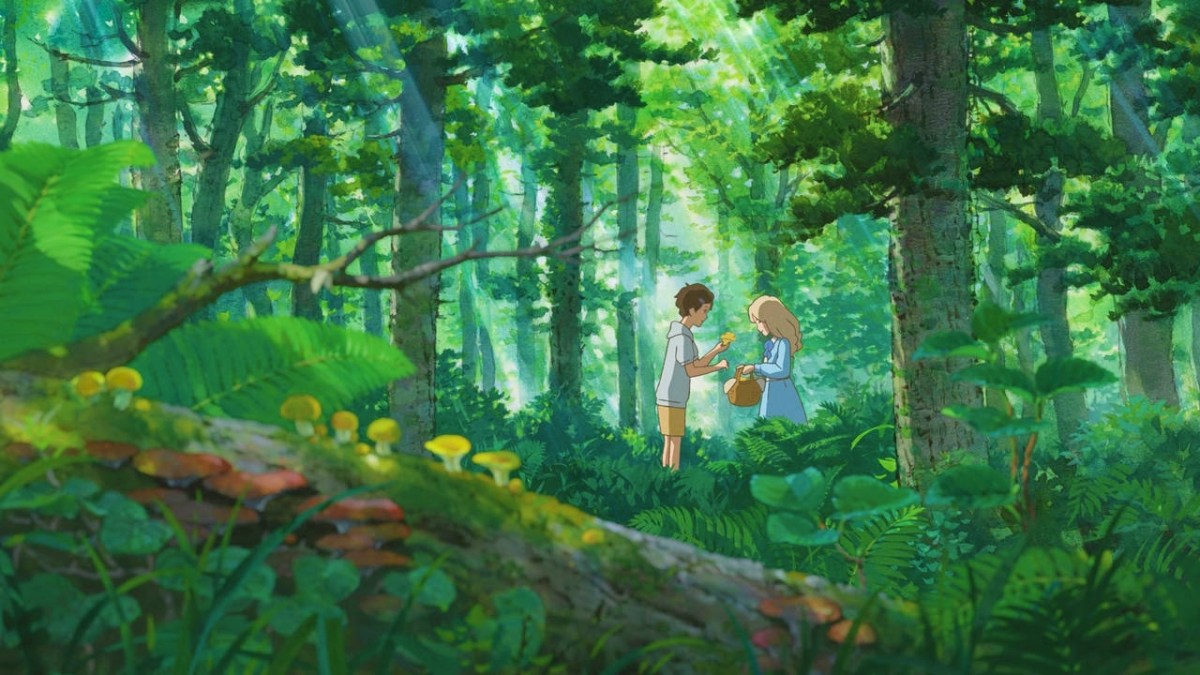
A tale about self-acceptance, this modest Studio Ghibli anime may take a while to get going, but it achieves some kind of emotional crescendo by its denouement.

A tad long and sometimes incoherent in its thematic direction, but this eco-tale of shape-shifting raccoons could be Takahata’s most creative and fantastical effort.

Studio Ghibli’s first full digital animation is a light-hearted and free-spirited take on urban family life told in humorous, sometimes fantastical, vignettes that are created in a minimalist watercolour style.
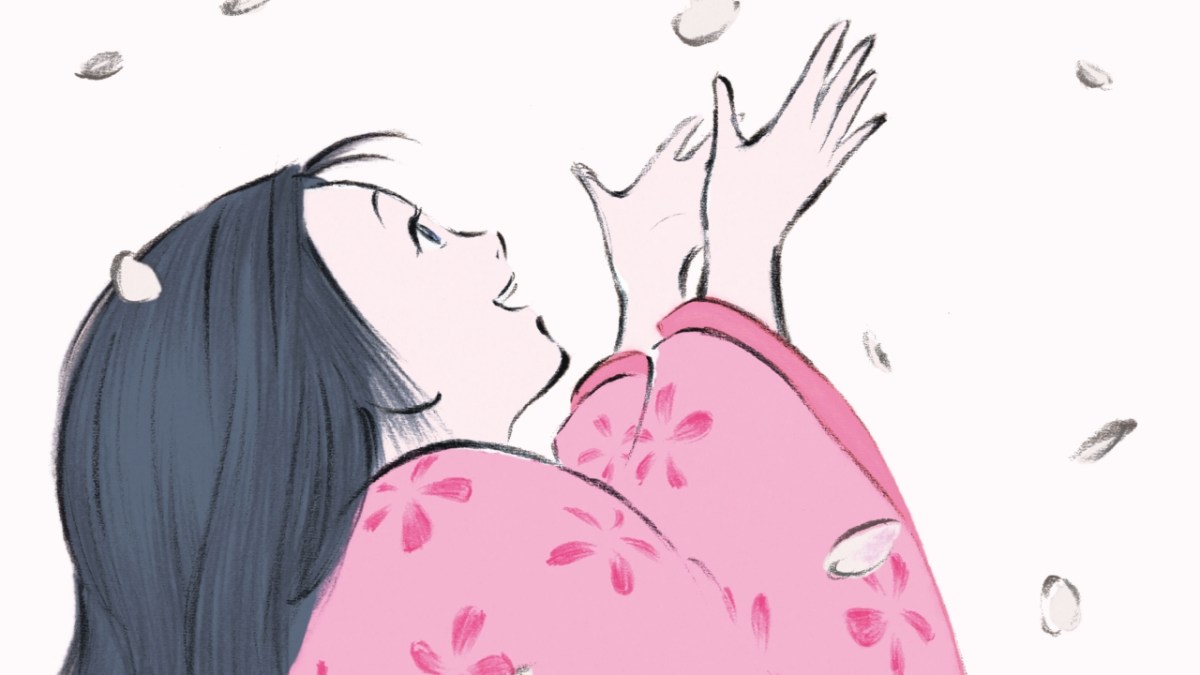
A familiar if exposition-heavy anime that prides itself in being remarkably composed with its sheer beauty and breathtaking visuals.

My favourite Isao Takahata—a poignant and nostalgia-tinged tribute to memory, time, childhood and love in what could be Studio Ghibli’s finest work.

One of the greatest of all Japanese anime from the master Isao Takahata, this holds enough emotional power to reduce any grownup into a sobering mess.
 Eternality Tan