










The great Jacques Audiard’s first English-language film entertains with strong performances by Joaquin Phoenix and John C. Reilly, tackling the Western genre with rare wit and verve.
Continue reading →

The great Jacques Audiard’s first English-language film entertains with strong performances by Joaquin Phoenix and John C. Reilly, tackling the Western genre with rare wit and verve.
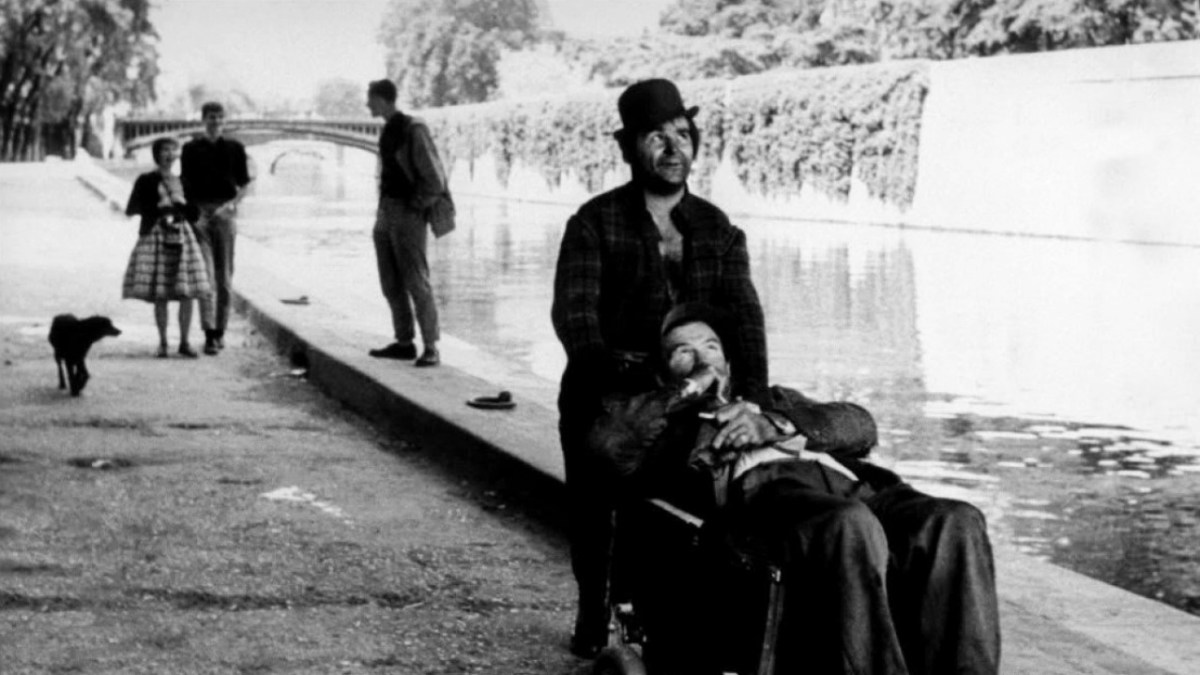
Rohmer’s first feature might not have been as lauded as his counterparts’ more groundbreaking works, but its exploration of luck (or lack thereof) through one man’s misery was arguably the closest a French New Wave film had been to acknowledging its neorealist influences.

Lust and personal resolve collide in Rohmer’s first feature in colour, lensed with warmth and sensuality by Days of Heaven’s Nestor Almendros.

This Cannes Palme d’Or winner is a masterful, humanistic attempt at capturing the issue of immigrants, through the perspective of a ‘family’ of Tamils at a transitory point in their lives.

Audiard’s direction of his actors is excellent, but the film is marred by his weak handling of tone.

Banned for a short while in France, Godard’s second feature boldly and stylistically depicts the moral complexities of the Algerian war, throwing audiences at the time an early political curveball.

There are richly-realised characters and performances in this layered drama about depression, centering on a family who can’t seem to communicate with each other, but it doesn’t quite come together in a resonating way by its denouement.

Godard’s anarchic work of gleeful nihilism is not just a challenging treatise on the corruption and destruction of bourgeois values, but one of his most essential films about the end of civility and civilisation.

The last of Rohmer’s ‘Comedies & Proverbs’ series is a gratifying watch on what it means to fall in love—or break up—with friends and lovers.

Emotions run deep in Godard’s masterwork as it charts the deterioration of a couple’s marriage whilst set against the chronic uncertainties of a movie production.

