

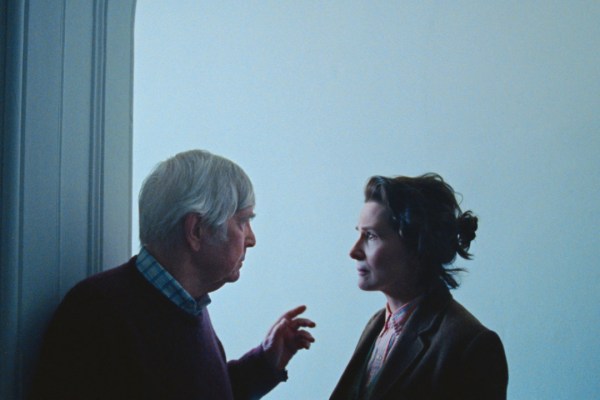
There are two Robert Kleins (one’s a Jew) in WWII Nazi-occupied France in this slow-burning, finely-tuned Kafkaesque wrong identity mystery-thriller, starring a paranoid Alain Delon.
Continue reading →

There are two Robert Kleins (one’s a Jew) in WWII Nazi-occupied France in this slow-burning, finely-tuned Kafkaesque wrong identity mystery-thriller, starring a paranoid Alain Delon.
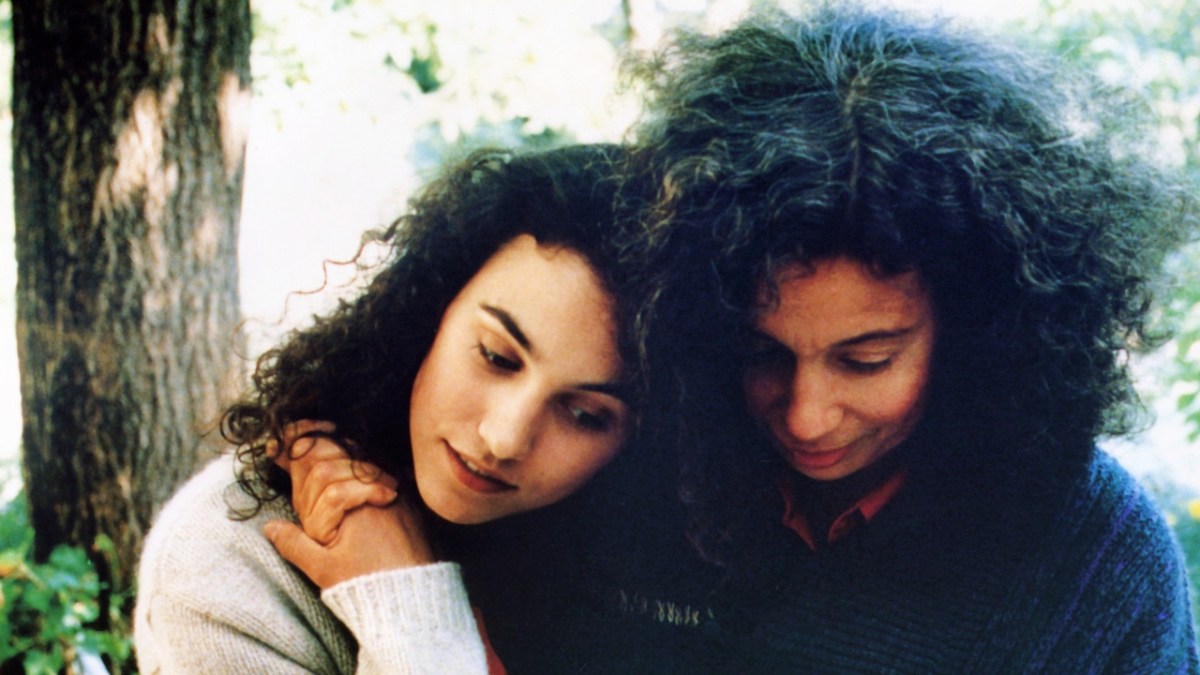
A winner of Best Screenplay at Venice, Rohmer’s final ‘Four Seasons’ entry is an incisive and revelatory take on finding romance at a much older age, featuring two outstanding performances by Marie Riviere and Beatrice Romand.

Demy goes full-blown with his colour palette and visual style in this rather straightforward and sporadically engaging fairy tale about an incestuous king who wants to marry his daughter.

Denis tackles a ‘love triangle’-type drama with brooding intensity if rather conservatively, featuring two showy performances from Juliette Binoche and Vincent Lindon.

It’s probably one of the most visually stunning films from the ‘90s with incredible production design and cinematography, but it can be difficult to care for its fractured story or the array of eccentric characters.

This is Godard having fun with colours and language as its crime-noir trappings somewhat mask the auteur’s increasing fixation on Marxist politics, though the film isn’t always coherent or compelling.

Bonello’s new ‘pandemic lockdown’ film is difficult to pin down—it’s disjointed yet free, disturbing yet human, as it experiments with form, content and aesthetics with varying results.

This early Godard sees Anna Karina at her most bewitching (those soul-staring eyes that break the fourth wall!) as the auteur reinvents the ‘rom-com’ with wilful abandon and artistry.

This beloved classic epitomised the French ’60s musical, with Demy at the top of his game weaving his multitude of characters together in the delightful and colourful world he had created.

When a loved one has dementia, he or she feels so near yet so far—this universal feeling is ontologically perfected by Noe in cinematic terms through the split-screen technique, which forms the backbone of this grim but emotionally powerful documentary-esque work about ageing, mortality and love.

