

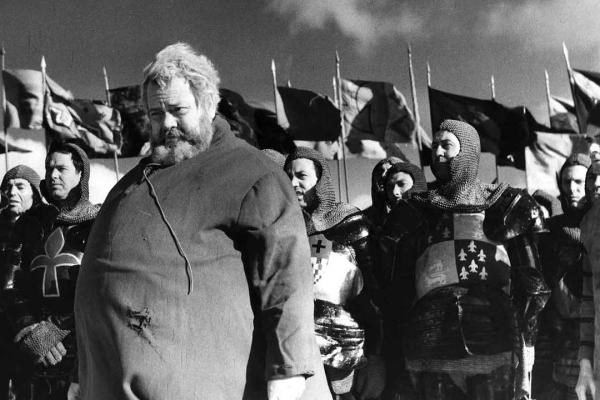
Kaurismaki’s confident first solo feature already contains the hallmarks of his sober, deadpan style, in the guise of a loose adaptation of Dostoevsky’s famous text.
Continue reading →

Kaurismaki’s confident first solo feature already contains the hallmarks of his sober, deadpan style, in the guise of a loose adaptation of Dostoevsky’s famous text.

Truffaut’s terrific last film is as Hitchcockian as it gets, with a top performance by Fanny Ardant who plays a sleuthing secretary after her boss becomes the prime suspect in a series of murders.

Sandrine Bonnaire announces herself as one of French cinema’s most compelling actresses in what could be one of Pialat’s most beloved works, which charts the sexual awakening of a teenage girl living with her dysfunctional family.

One of Marker’s defining works about time and memory, this is an experimental documentary of the highest order, capturing the wonder and bizarreness of human cultures and existence amid technological change.

Tarkovsky’s penultimate feature (stunningly shot in rural Italy during a self-imposed exile) might be his most ponderous work, yet it could also be his sharpest take on faith.

Ruiz’s stylish, surreal visual style here is breathtaking at times, but the film is challenging to get into because of its nebulous storytelling.
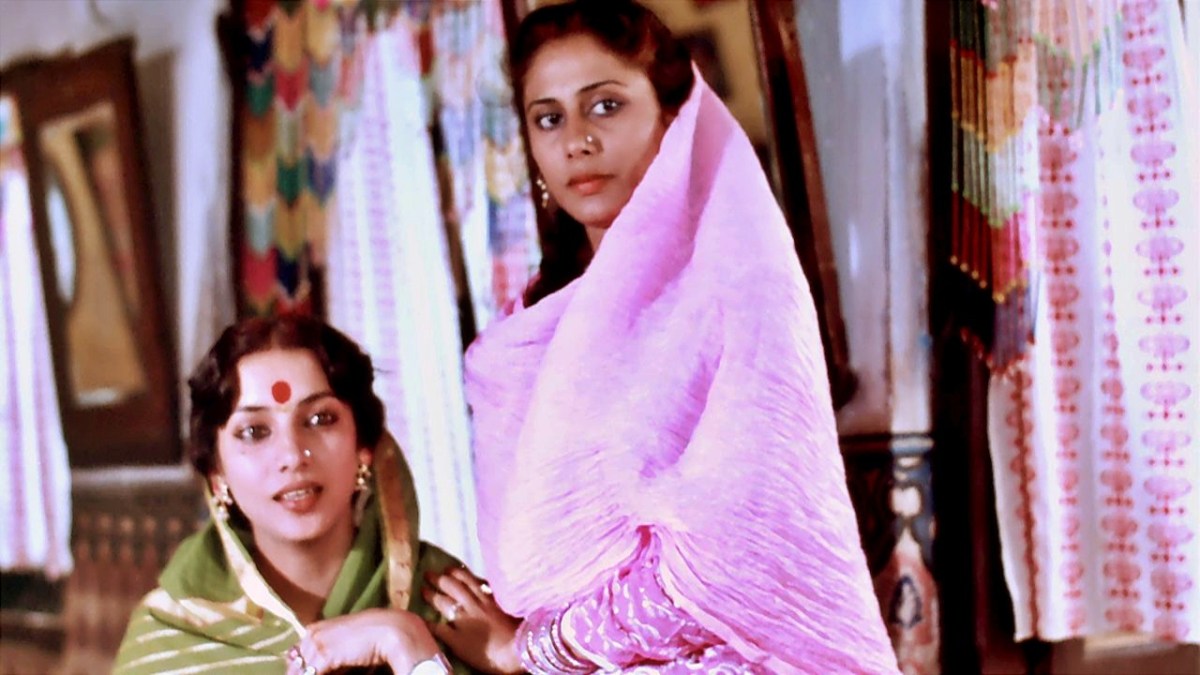
Lengthy but still an entertaining piece centering on a bordello and its ragtag of vibrant characters as Shyam Benegal balances humour and serious women issues with skill.
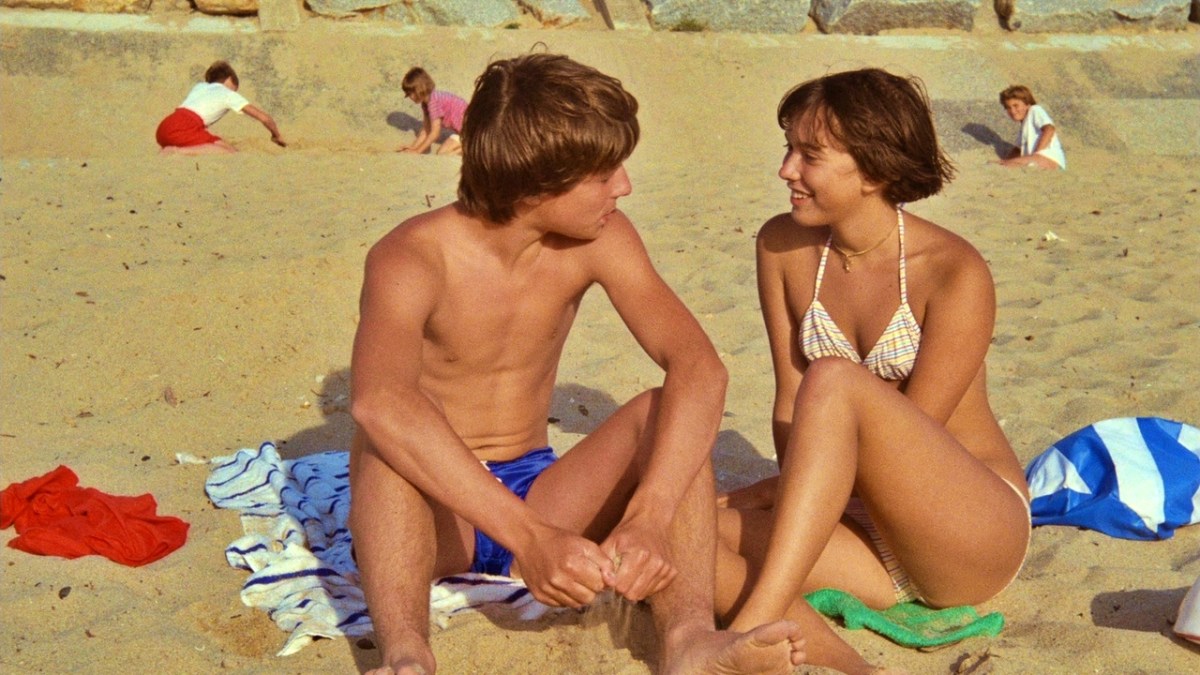
Rohmer plays an elaborate, frolicky game of relationship misunderstandings and coverups in his third ‘Comedies & Proverbs’ series, as most of the characters try to make sense—with sheer incompetence—what the meaning of love is.
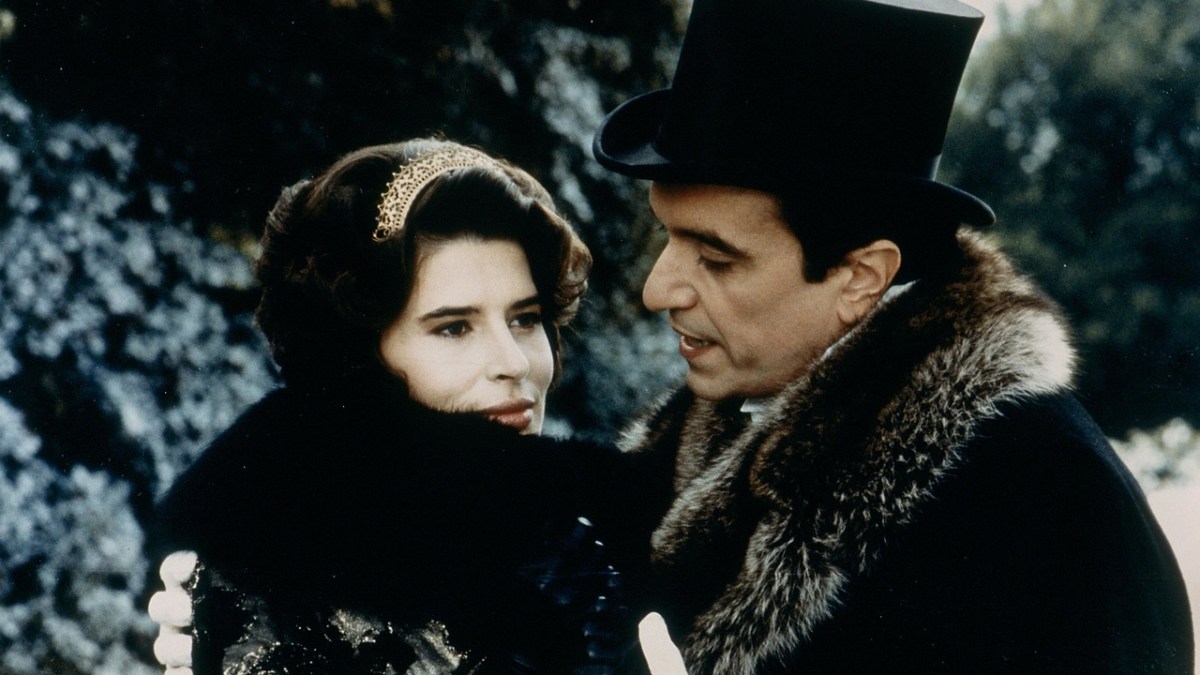
Resnais’ tonally-jarring ‘musical-drama’ that intercuts across three timelines feels too artificially-constructed and incoherent to make any meaningful sense.
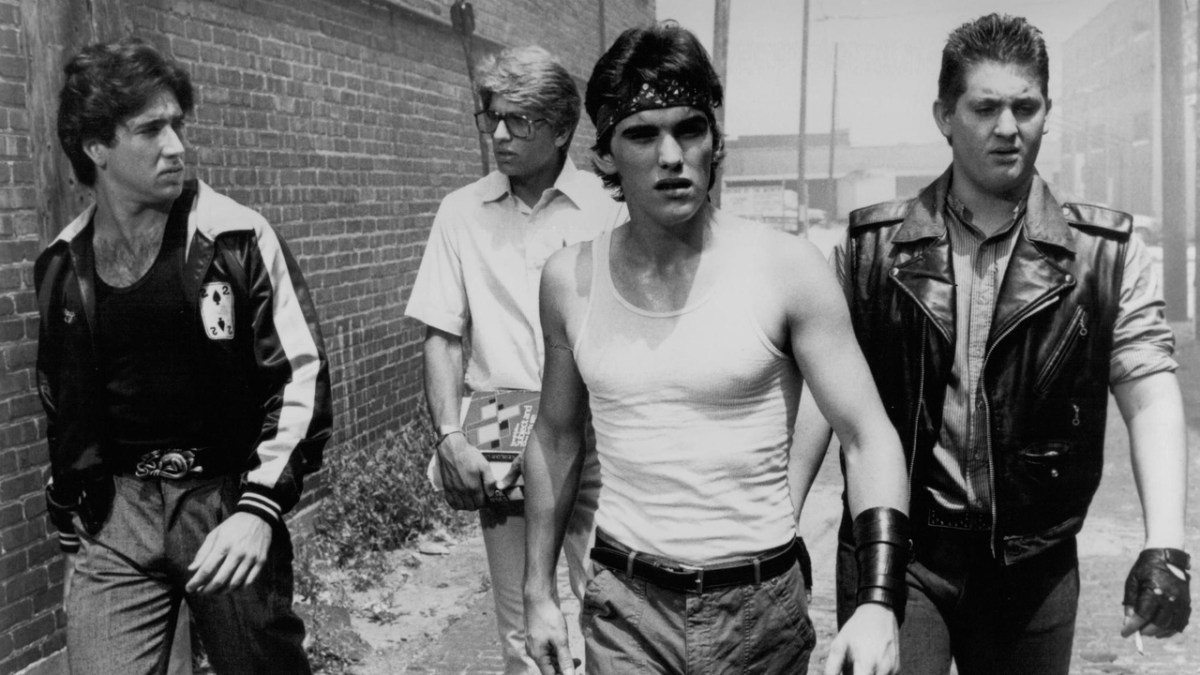
A feverish attempt at exploring the nature of wasted youth with strong visual and aural stylings that can’t quite hide its meandering narrative.

