




One of the most significant pictures of the silent era, Eisenstein’s work is a revolutionary film in more ways than one—as fervent a Soviet propagandist piece as any, as well as a trailblazer in pushing montage theories forward.
Continue reading →
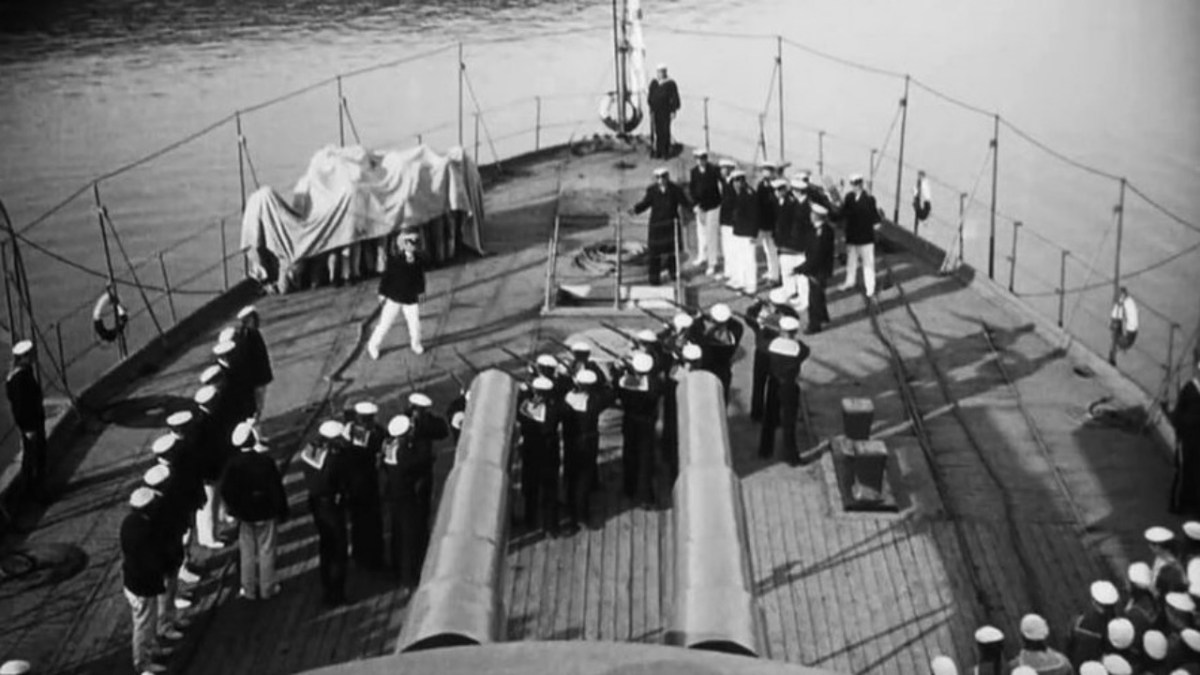
One of the most significant pictures of the silent era, Eisenstein’s work is a revolutionary film in more ways than one—as fervent a Soviet propagandist piece as any, as well as a trailblazer in pushing montage theories forward.
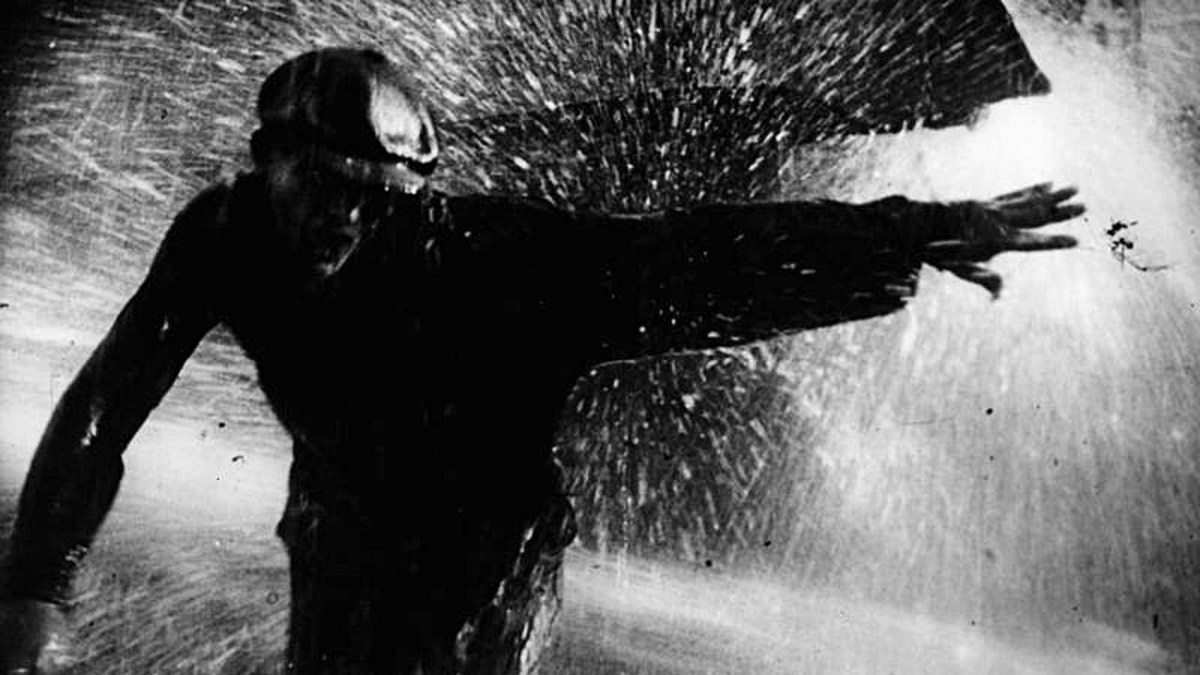
Still an astonishing debut by Eisenstein, this set the foundation for the Soviet director’s theorising and application of his montage ideas.

Murnau takes Moliere’s famous 17th-century play and transforms it into a silent film-within-a-silent film in this moderately-engaging work.

Chaplin’s greatest box-office success in the silent era remains a cultural touchstone—a parable of greed, romance and peril that is as hilarious and touching now as it was a century ago.
 Eternality Tan