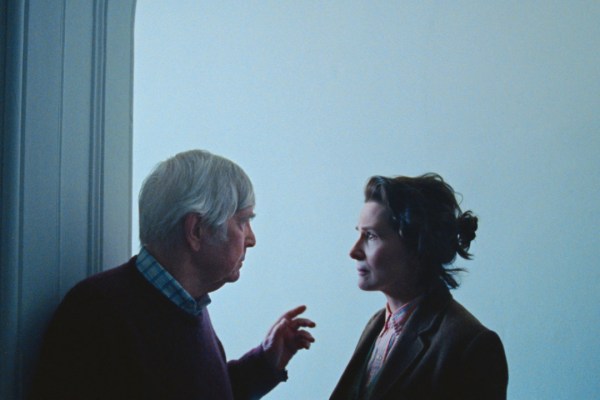
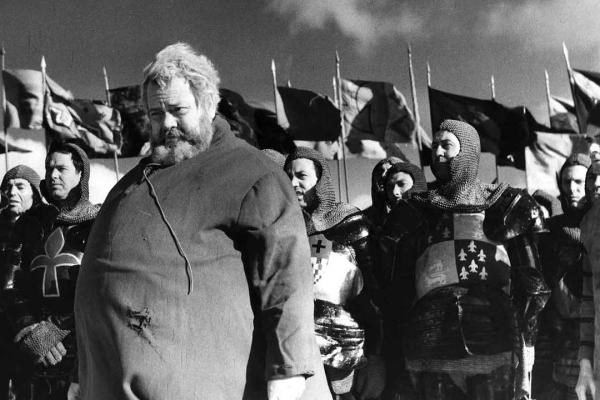

Welles’ butchered studio film remains a remarkable showcase of his storytelling prowess, one that is haunted by deep regrets and vicious jealousies, as an aristocratic family faces inevitable decline in a modernising world.
Continue reading →
Welles’ butchered studio film remains a remarkable showcase of his storytelling prowess, one that is haunted by deep regrets and vicious jealousies, as an aristocratic family faces inevitable decline in a modernising world.
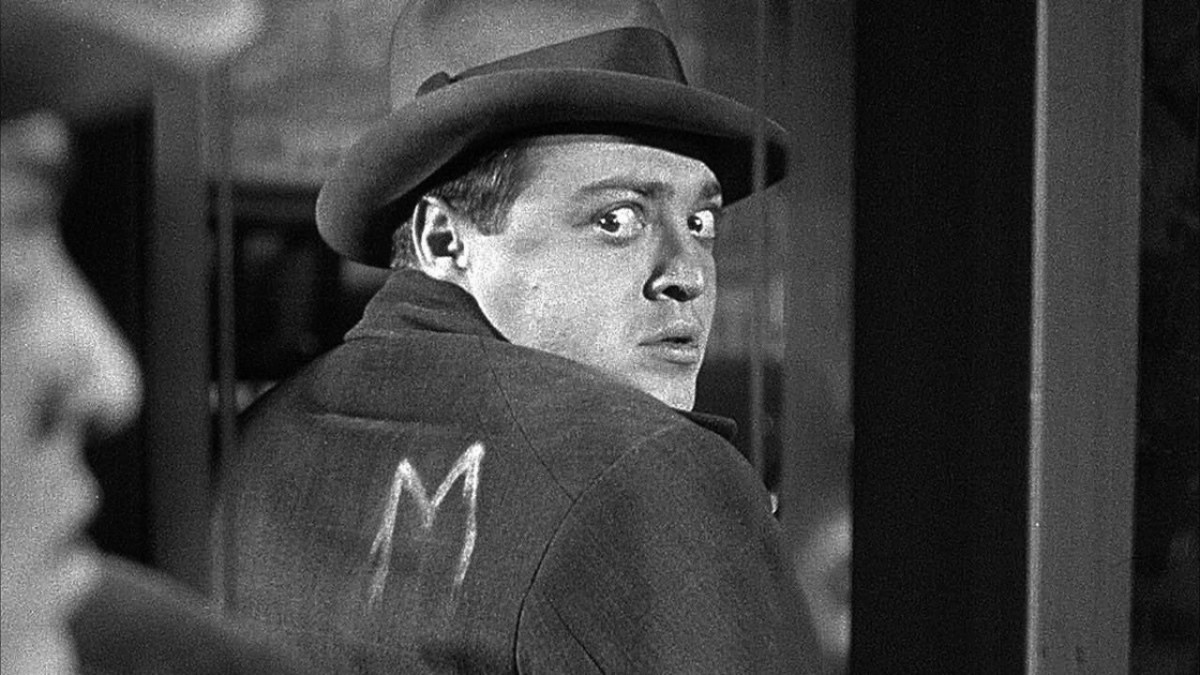
Lang’s blueprint for the psychological procedural thriller remains significant in cinema history, as was his influential use of sound, rendering his ghastly subject—a serial killer of children—in poetic, paralegal light.
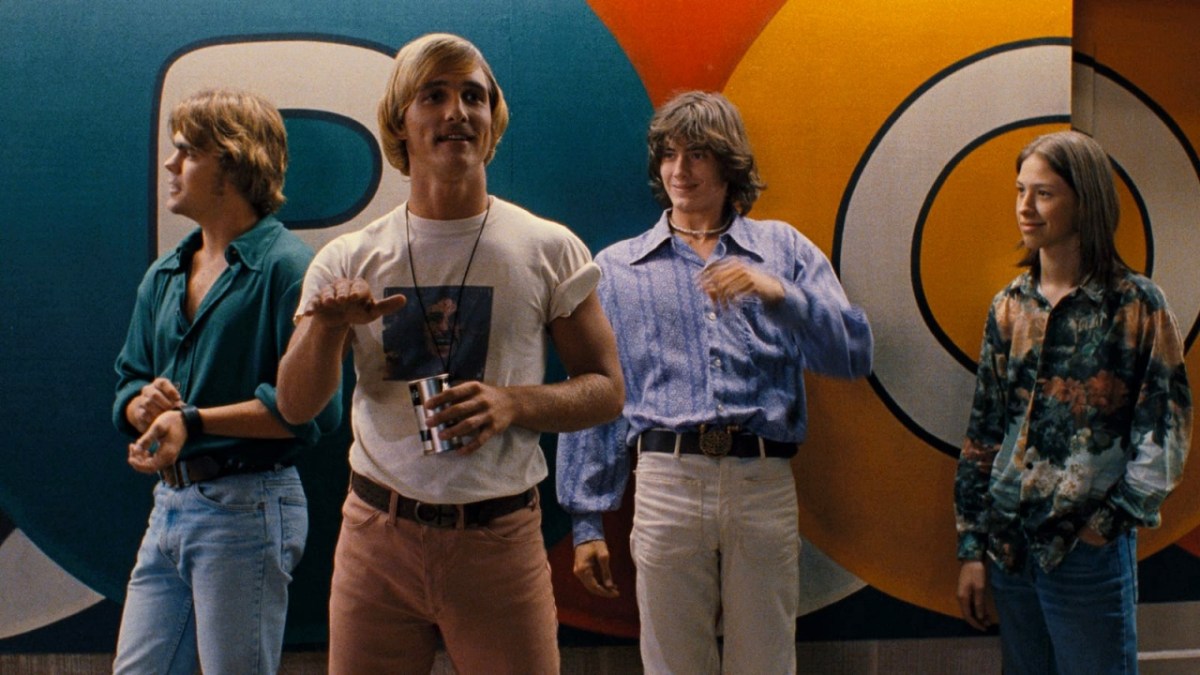
Beers, drugs, hazing rituals, and unchecked rebelliousness mark the last day of high school circa May 1976, Texas, as Linklater expertly drops us in the middle of the chaos, with a killer rock soundtrack to boot.
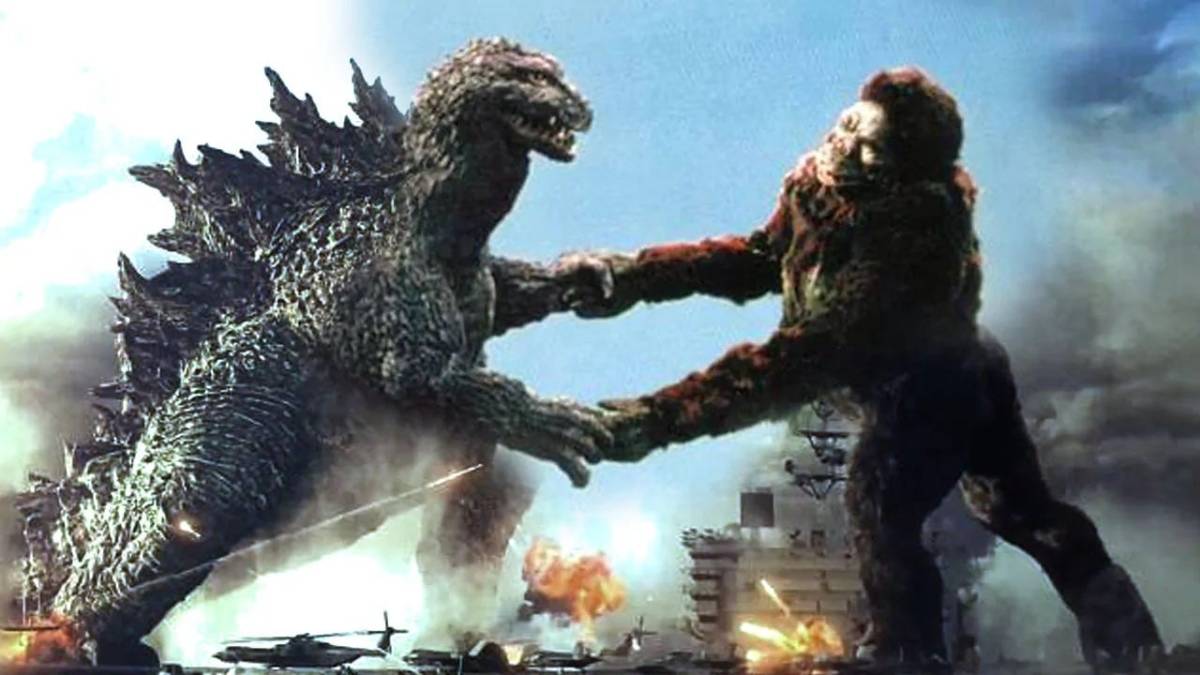
This skippable sequel sees Godzilla amusingly battling with a monster for the first time, laying the 1v1 blueprint for the future, but production problems and a rushed job mar the experience.
Borden’s radical ‘sci-fi documentary’, put together in a gritty, agitprop style, imagines an alternate universe USA, where black lesbian ‘terrorists’ fight for justice for women and the oppressed.
This intense Turkish Berlinale Golden Bear winner, with one of the most sickening lead characters in world cinema, is about the blatant abuse of self-imposed power, as a greedy man builds dams to stop water from irrigating the lands of his neighbours.
Wong’s rather conventional debut feature is a ‘Mean Streets’-esque gangster thriller that provides cursory pleasures with the odd heady rush of romance, and backed by a trio of committed performances from Andy Lau, Maggie Cheung and Jacky Cheung.
Two lonely, emotionally wounded men find connection in each other as Wenders’ road movie takes us on a poetic journey of self-reflection as they drive from one town to another, repairing faulty cinema projectors.
Bresson’s acrid final feature may be seen as a ‘counter-feit/fict-ion’, exploring the transactionality of exploitation through an anti-narrative, as a fake bill sparks an irreversible chain of events.
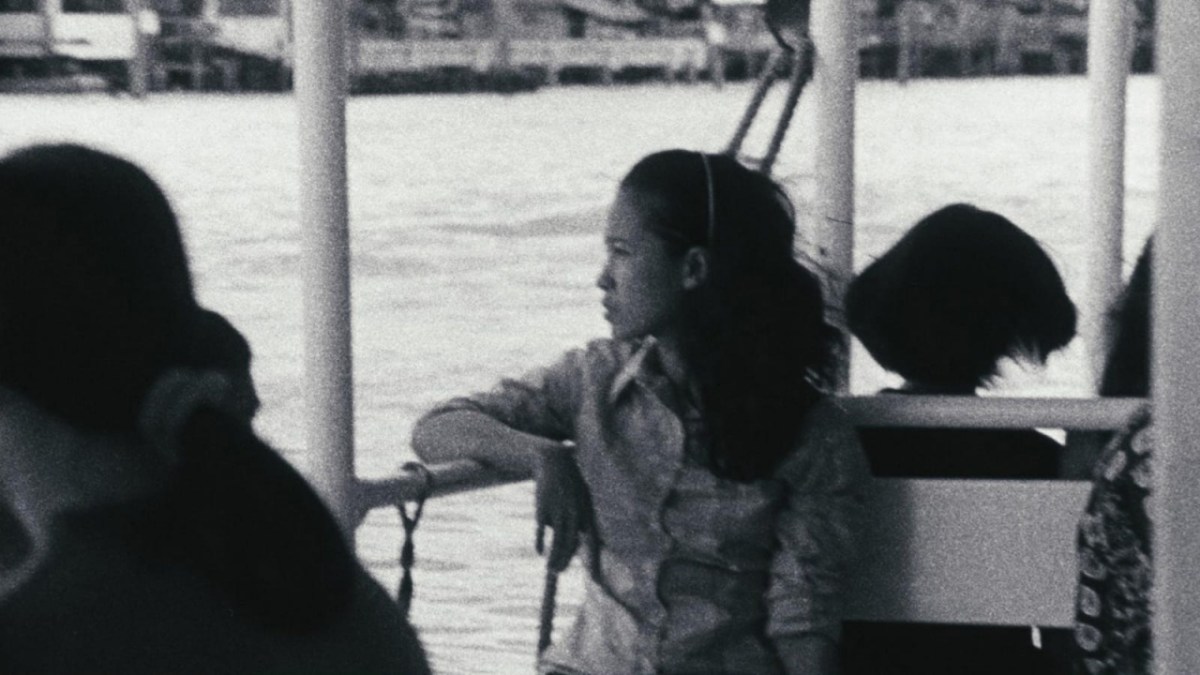
Doesn’t add any real value to Jia’s impressive body of work, this tonally jarring montage of new material and unused scenes from past projects sees Zhao Tao playing a silent woman navigating a quarter century of longing, regrets and opportunities in a modernising China.