



Zatoichi’s use of violence to right wrongs is called into question in this well-made 13th installment.
Continue reading →


Zatoichi’s use of violence to right wrongs is called into question in this well-made 13th installment.

A tad long and sometimes incoherent in its thematic direction, but this eco-tale of shape-shifting raccoons could be Takahata’s most creative and fantastical effort.
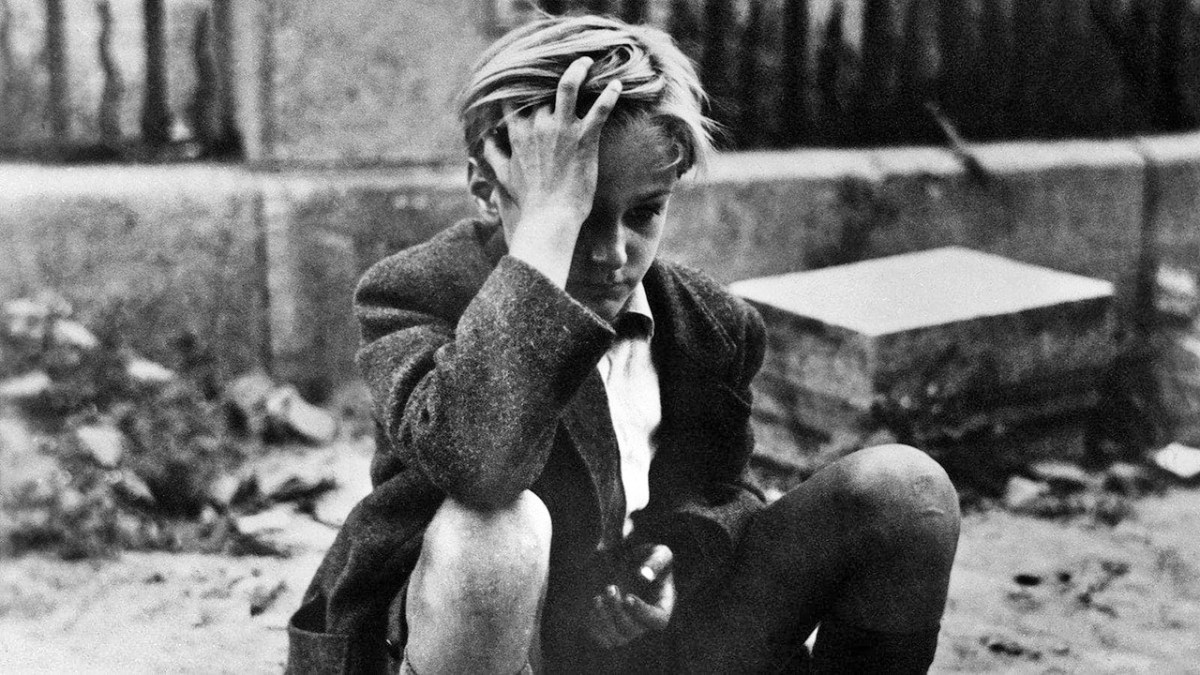
The third film of Rossellini’s heartbreaking neorealist ‘War’ trilogy tackles postwar Germany through the eyes of a boy suffering from material and moral poverty.

As a wacky satire on Singaporeans’ pursuit of (a regulated kind of) happiness, this genial comedy might just as well be science-fiction—or not.

A beautiful love story, directed and acted with such artful simplicity that it is difficult not to fall in love with its purity.
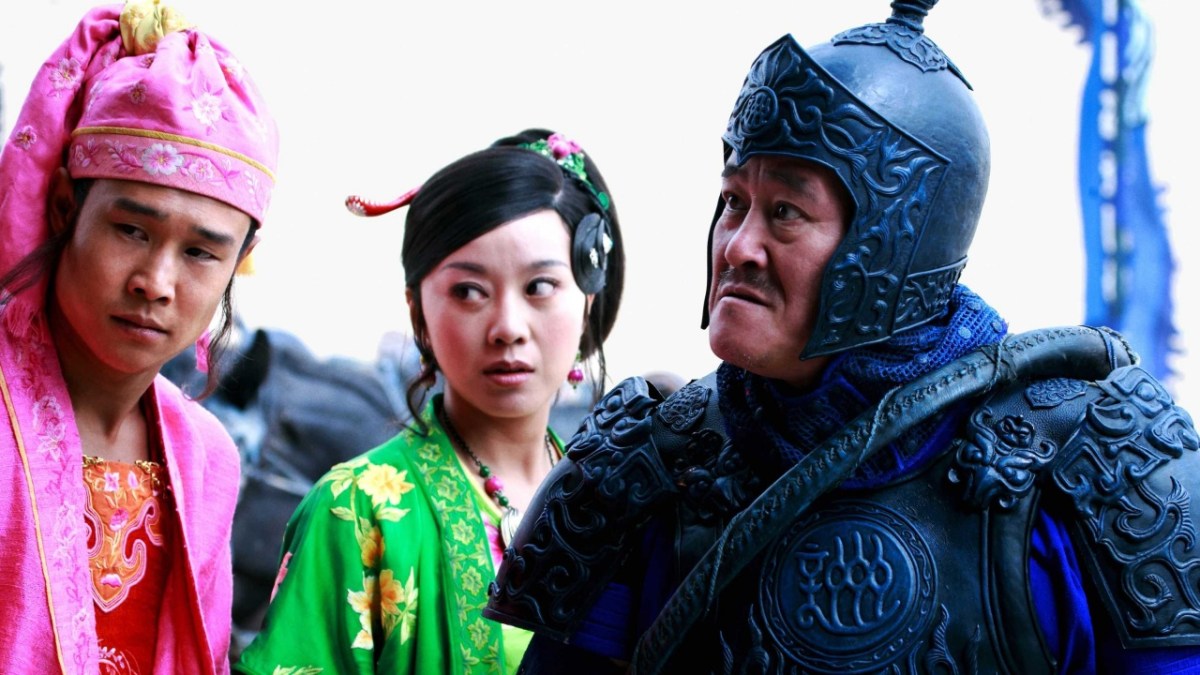
Possibly the worst film in Zhang Yimou’s career, this remake of the Coens’ ‘Blood Simple’ is a travesty on every count.
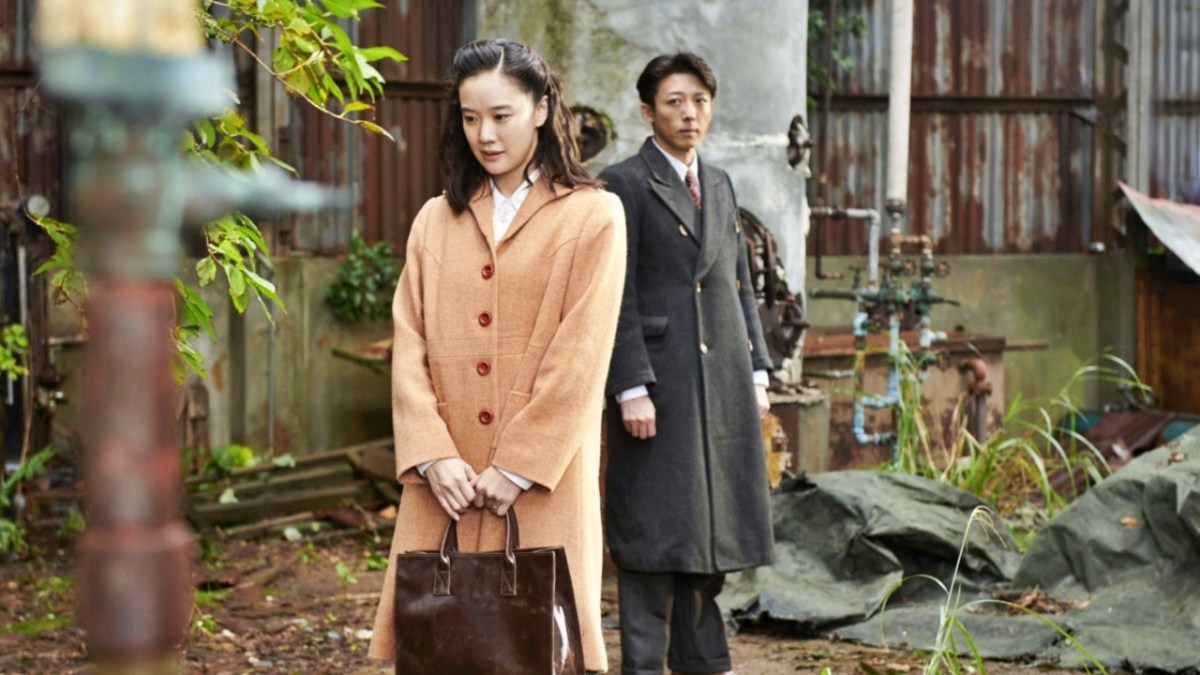
Kiyoshi Kurosawa’s polished if emotionally inert period film (his first!) is an anti-war espionage tale set in WWII Japan, featuring a standout lead performance by Yu Aoi.

This is a superb early work from Chang Tso-chi, focusing on a family whose members are mostly visually-impaired, and shot in a poetic, dreamy style that accumulates emotional power by the end.

Rossellini’s work here is masterful, shot in a neorealist if also painterly style, that captures the purity and spirituality of ascetic Roman Catholicism in the early 13th century.

Rossellini’s breakthrough film is not just a defining work of Italian neorealism, but a powerful anti-war statement.
 Eternality Tan