







Yann Gonzalez’s decent sophomore feature continues his penchant for stylish, hallucinatory and provocative filmmaking in this serial killer mystery centering on a French gay porn producer.
Continue reading →


Yann Gonzalez’s decent sophomore feature continues his penchant for stylish, hallucinatory and provocative filmmaking in this serial killer mystery centering on a French gay porn producer.

Colourful characters adorn this emotionally restrained, but immensely quirky Wes Anderson dollhouse drama.
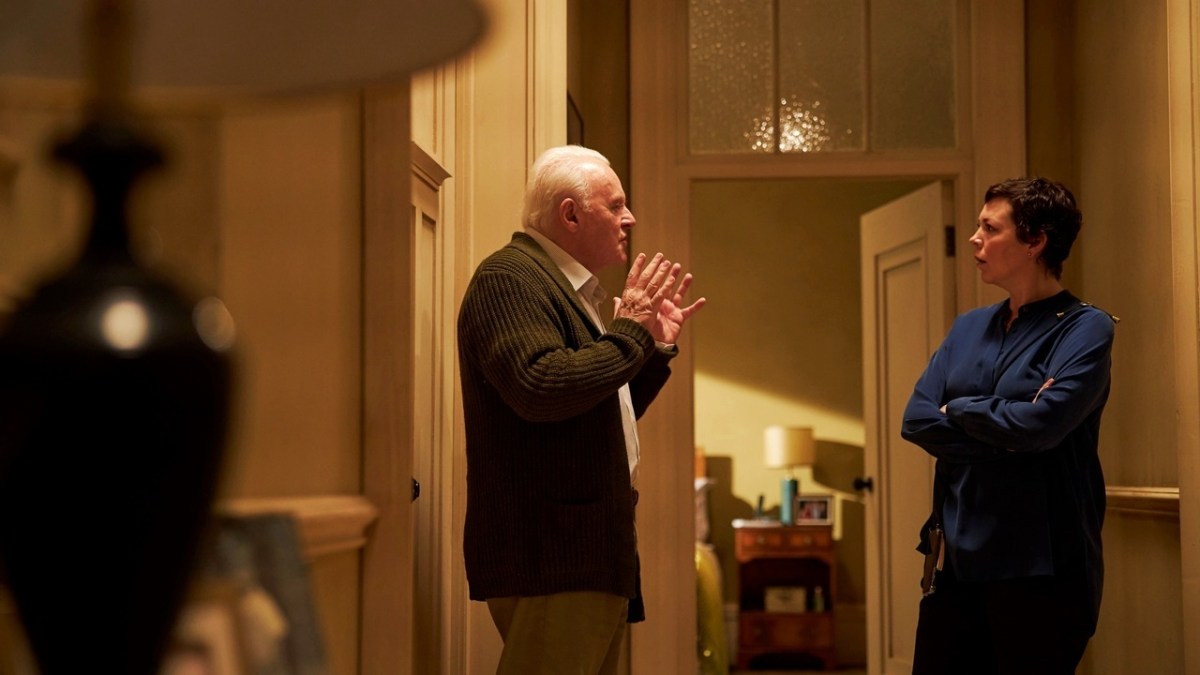
A tour de force of screenwriting, acting and editing, all based on a deceptively straightforward premise—a woman and her old father who is suffering from memory loss.

Beautiful but underwhelming, Francis Lee’s sophomore feature keeps emotions under the lid, and not always for the better.

The 8th edition of my annual Oscar prediction contest is back!
I will share my predictions on the weekend of 24-25 Apr. The Oscars will happen on Mon 26 Apr, 8.00am (SGT).
Instructions:
How to win:
If you win, choose one of the following prizes:
Here are the 23 categories in contention:
Have fun and good luck!

A Wes Anderson masterpiece of craftsmanship, direction and visual storytelling that is arguably still his finest work.
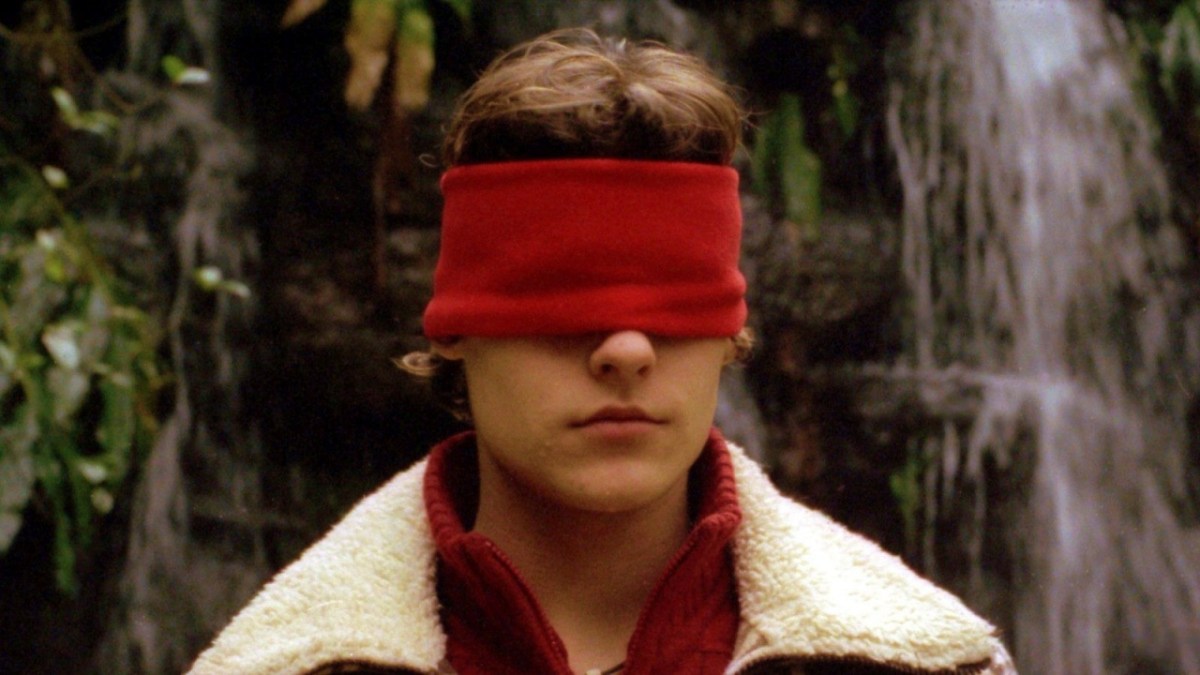
An artistic attempt at expressing and exorcising the ghosts of childishness in adulthood, but Gomes’ feature debut left me cold and unbothered.
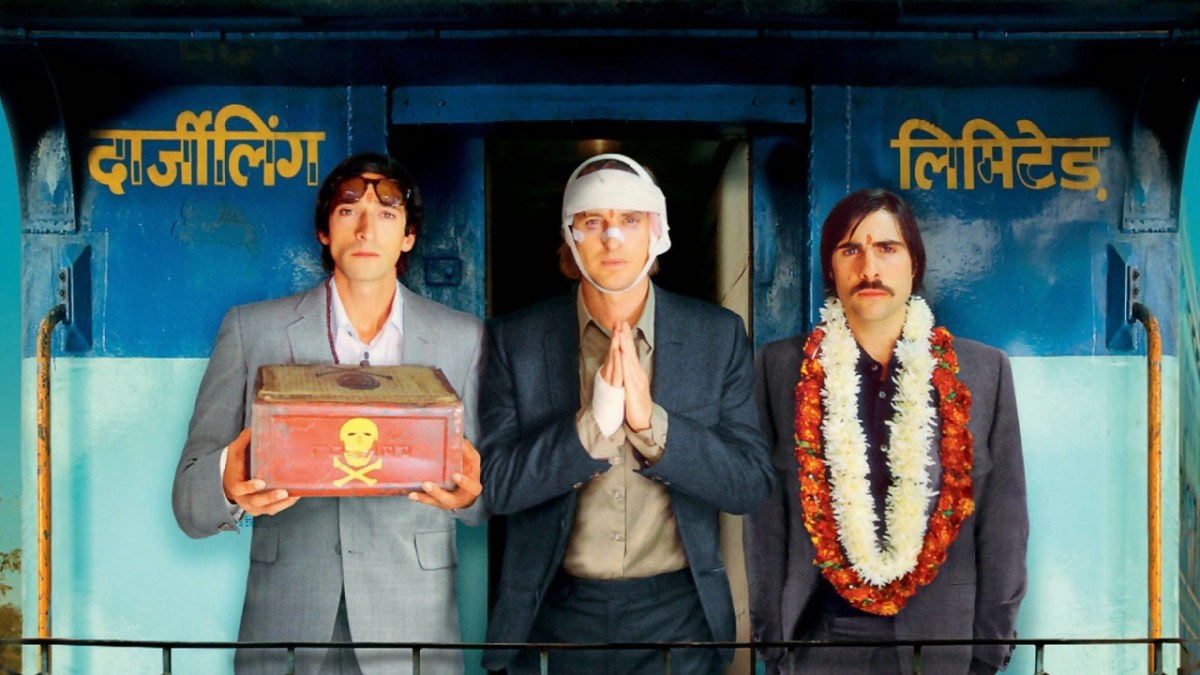
The auteur brings his idiosyncratic style and a developing sense of filmmaking maturity to the East in this colourful and quirky shot-in-India road trip.

As per tradition, here are my predictions for the BAFTAs 2021!
WW: Will Win
DH: Dark Horse
Results: 15/25 (21/25 if including dark horses)
Continue reading →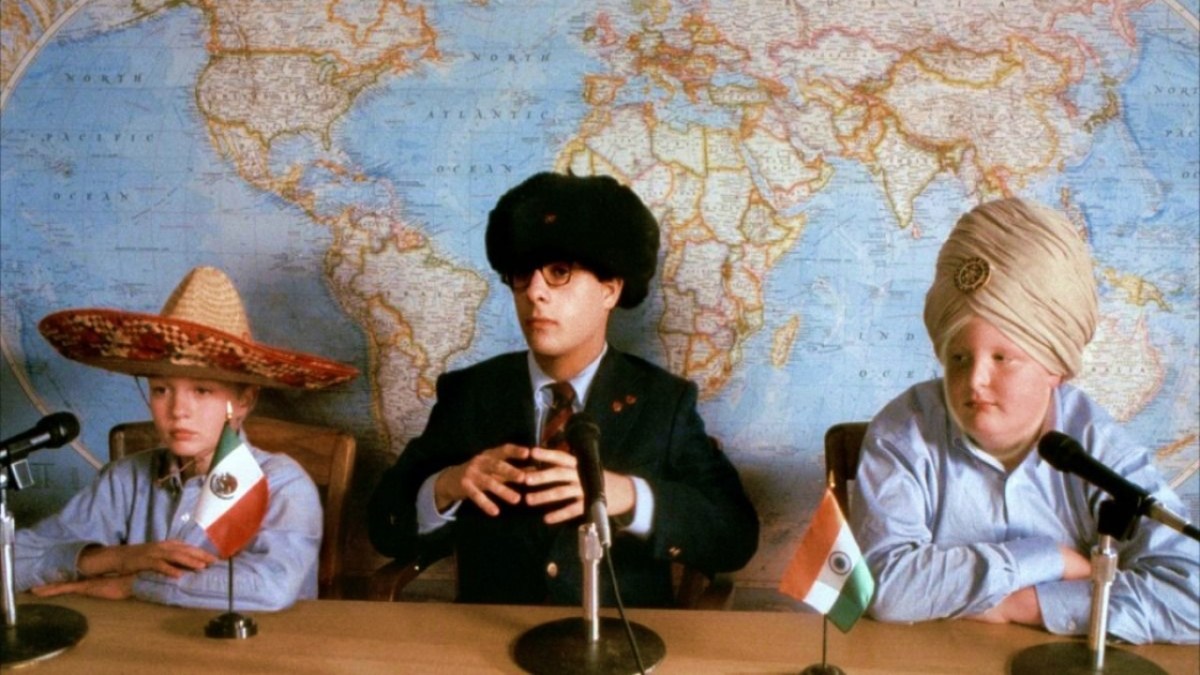
An oddball coming-of-age comedy revolving around a prep school student that is well-staged to a fault.

