
An intricate meditation on human motivations, social inequalities, and the ethics of observation, Lee’s remarkable Venice Grand Jury Prize winner leaves us questioning whether we can ever truly know another person—or even ourselves.
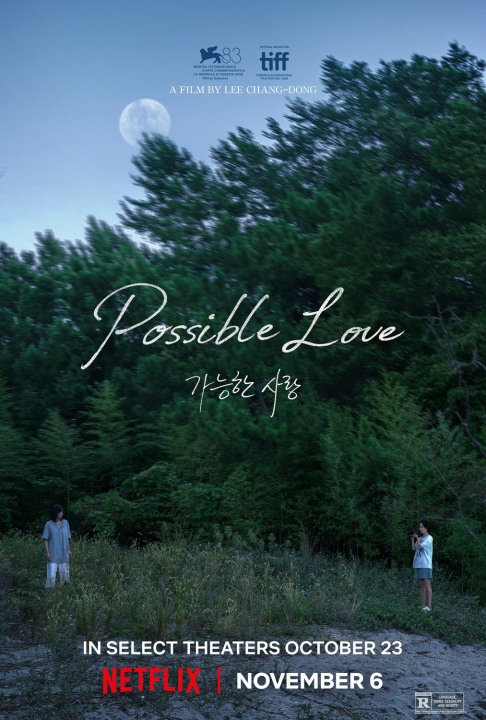
Review #3,109
Dir. Lee Chang-dong
2026 | South Korea | Drama | 164min | 1.85:1 | Korean
M18 (passed clean) for language, some sexuality and nudity
Cast: Jeon Do-yeon, Sul Kyung-gu, Zo In-sung, Cho Yeo-jeong, Jo Yu-ri
Plot: A laid-off worker and his wife cross paths with a documentary filmmaker and her spouse and confront their hidden desires.
Awards: Won Grand Jury Prize & FIPRESCI Prize (Venice)
Distributor: Netflix
Accessibility Index
Subject Matter: Moderate – Couple Dynamics; Class Issues; Ethics of Documentary Filmmaking; Psychological Trauma
Narrative Style: Slightly Complex
Pace: Slightly Slow
Audience Type: Slightly Arthouse
Viewed: Netflix
Spoilers: No
Lee Chang-dong is still my favourite South Korean director after all these years. To me, he is the grandmaster of contemporary Korean cinema, despite having made only six features. We now have his seventh, a refreshing re-examination of familiar themes that Lee and his compatriots have long explored.
The film’s title is interesting: is it possible to love (again)? Not just romantically, but philosophically and existentially, to find meaning in living. Lee invites ambiguity with a tinge of optimism, a sense of “could-ness”, rather than centring on its impossibility.
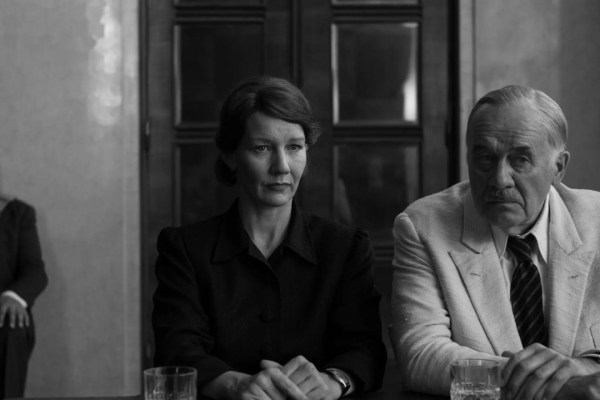
Taking inspiration from Krzysztof Kieślowski’s tenth episode of his monumental Dekalog (1988), though hardly resembling it in plot or tone, Possible Love begins with the Tenth Commandment: “Thou shalt not covet…” But is it possible that one could, no?
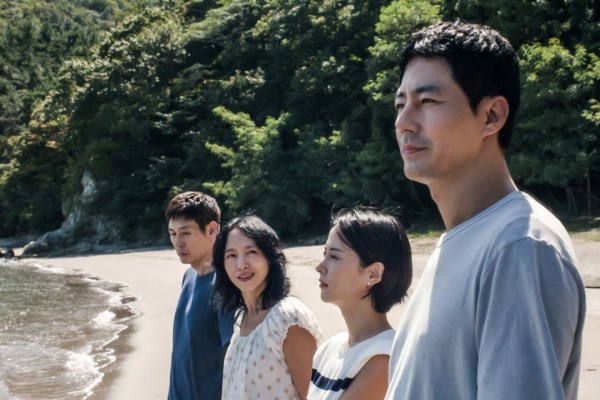
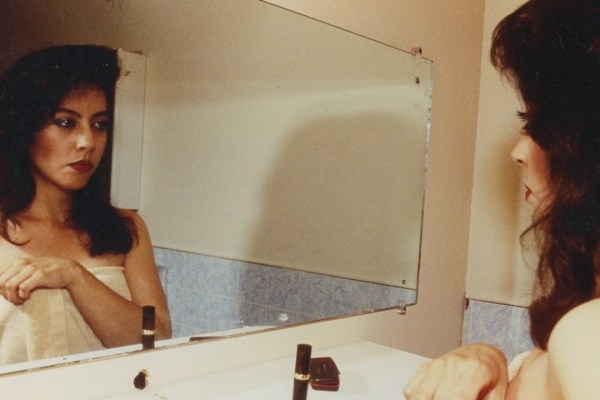
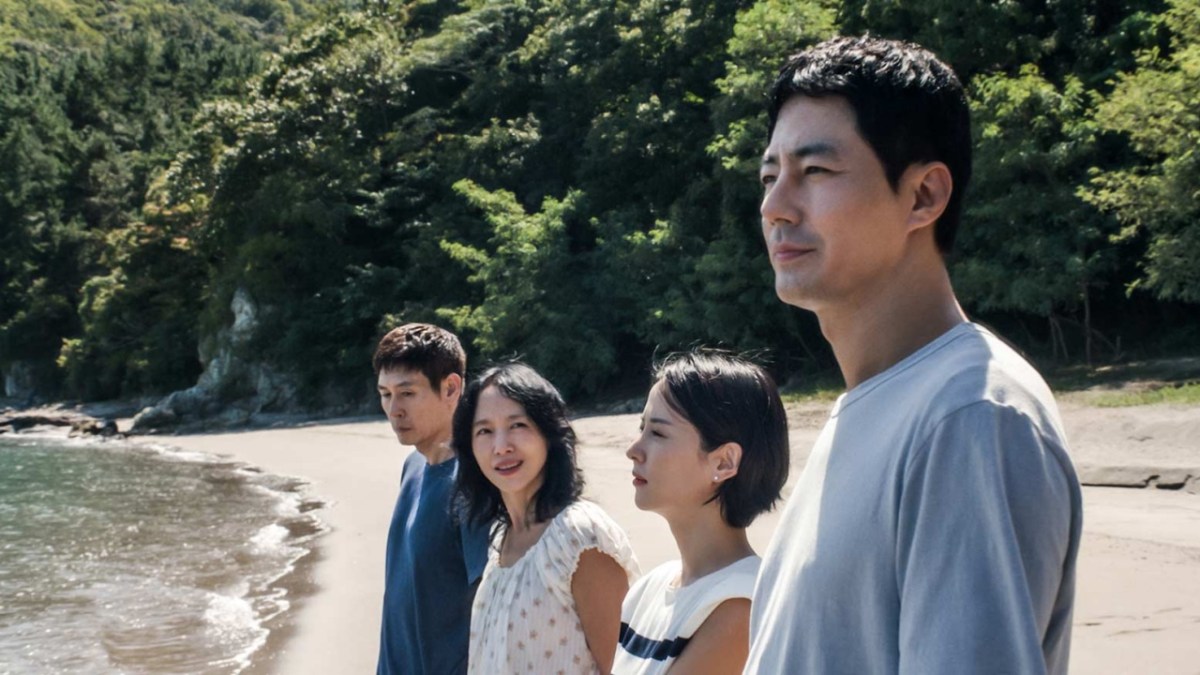
Lee goes further, giving us two pairs of richly realised characters: Ho-seok (Sul Kyung-gu of Peppermint Candy and Oasis) and his wife Mi-ok (Jeon Do-yeon of Secret Sunshine), as well as Ye-ji (Cho Yeo-jeong of Parasite) and her husband Sang-woo (Zo In-sung of Hope).
Class inequalities are brought to the fore through the reticent Ho-seok, an older worker laid off following his company’s “restructuring”. Ye-ji, a documentary filmmaker, wants to highlight the plight of retrenched workers, strategically using Mi-ok’s affability as an entry point and the wealthier Sang-woo’s generosity with time and resources.
“It was such a strange feeling. Like I’d turned into someone else.”
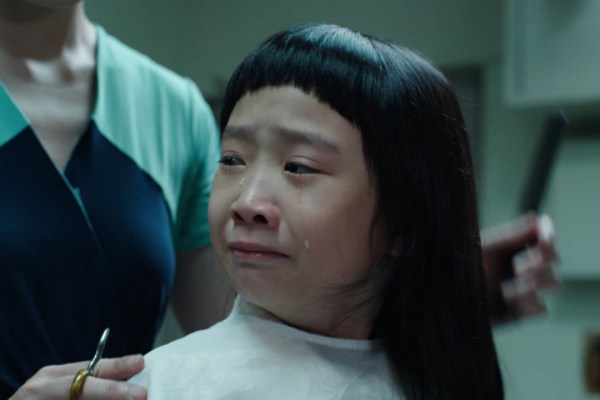
Lee brings in other themes of police brutality, personal trauma, social activism, trust, and ethics, weaving an intricate tale of characters who “use” others or are themselves “used” for potential gains.
Is that covetousness in its true beastly nature? Can we ever really tell what someone is thinking? Do actions speak louder than words? Perhaps we don’t need words or actions, but simply to observe, like a documentarian who does not intervene. Yet Lee also implicates documentary filmmaking, asking whether it is truly an act of service (or healing), or merely a self-serving artistic exercise.
Even amid such thematic density, Lee foregrounds two distinctive moments in nature that quietly counterpoint the dramatism. In one scene, two characters stop to listen to the sounds of an unseen bird, signalling the possibility of freedom from what might morally shackle them.
In another, the full moon becomes a metaphor for the emotional barrenness of its characters. It is so close yet so far, like many a relationship with loved ones or convenient friends. Yet, in the heart of darkness, the moon illuminates brightly like a spotlight, its gaze downward and unrelenting, but rarely threatening, like the fakest of suns.
Grade: A
Trailer:
Music:

