







Kurosawa’s magnum opus is a glorious triumph and the standard-bearer for bravura epic filmmaking, still yet to be surpassed.
Continue reading →

Kurosawa’s magnum opus is a glorious triumph and the standard-bearer for bravura epic filmmaking, still yet to be surpassed.
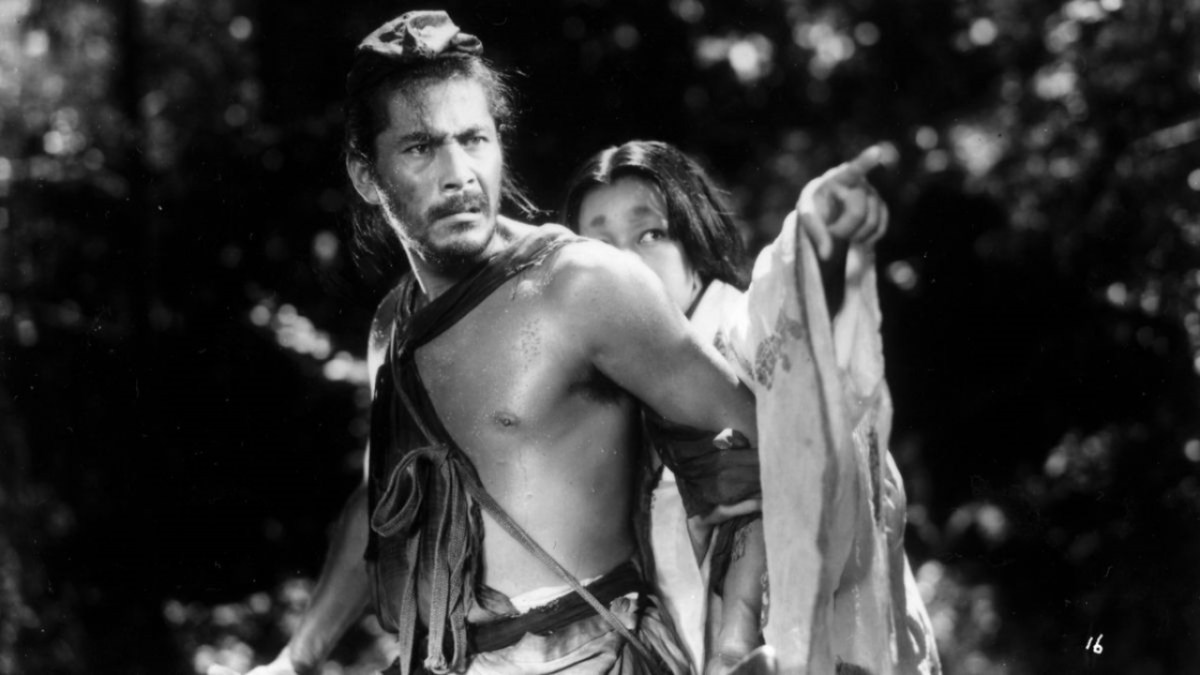
The film that launched Japanese cinema into serious international reckoning, and quite simply one of Kurosawa’s very best.

A solid early work by Kurosawa in what is a clever cat-and-mouse chase that leads to an emotional climax.

Satoshi Kon’s firm grasp of tragicomedy is evident in this expertly-constructed tale of three homeless persons who find a newborn baby in the trash on Christmas Eve.
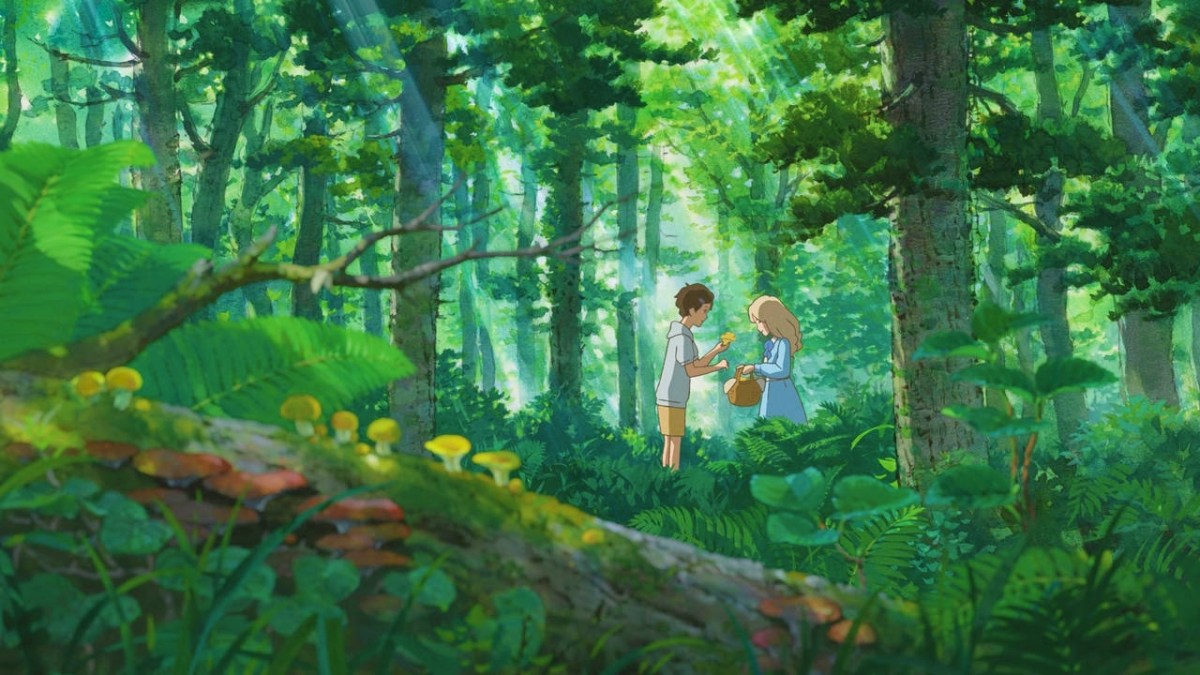
A tale about self-acceptance, this modest Studio Ghibli anime may take a while to get going, but it achieves some kind of emotional crescendo by its denouement.

A fiery doctor and an ill gangster form a love-hate bond in Kurosawa’s striking first collab with Toshiro Mifune, a tale of changing times amid out-of-fashion masculine codes of honour.

Zatoichi’s caught in between nasty gangsters and ungrateful villagers in this 14th entry that boasts great action but little in a way of a substantial story.

Zatoichi’s use of violence to right wrongs is called into question in this well-made 13th installment.

A tad long and sometimes incoherent in its thematic direction, but this eco-tale of shape-shifting raccoons could be Takahata’s most creative and fantastical effort.
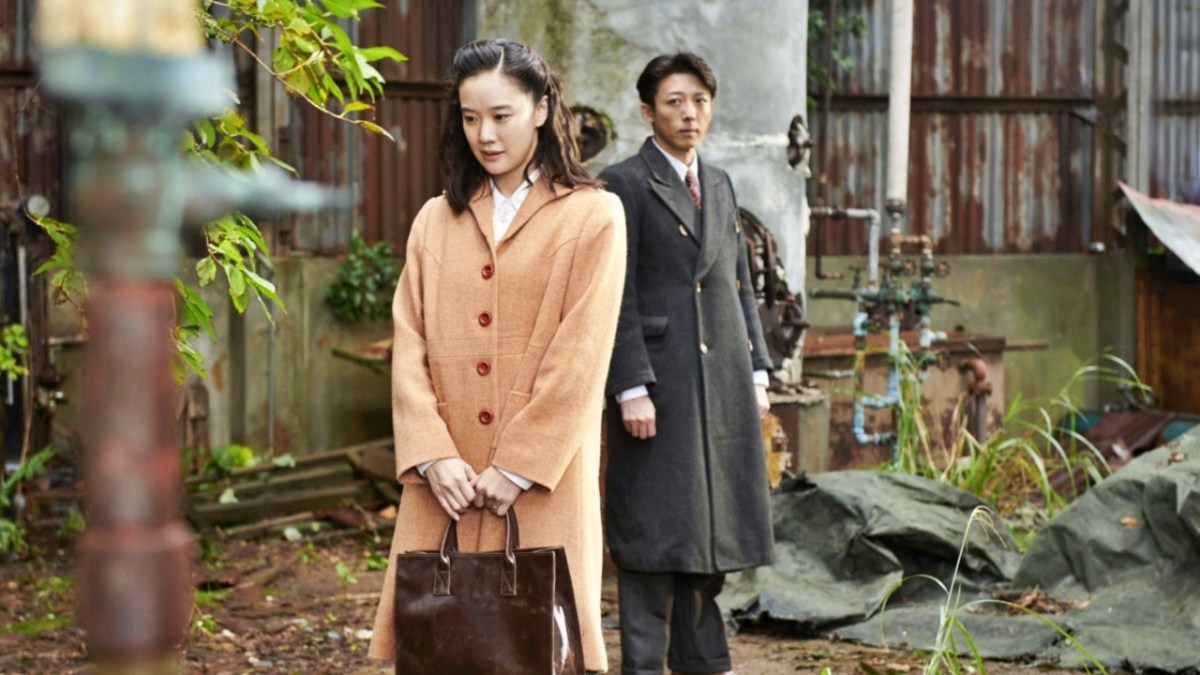
Kiyoshi Kurosawa’s polished if emotionally inert period film (his first!) is an anti-war espionage tale set in WWII Japan, featuring a standout lead performance by Yu Aoi.
 Eternality Tan