


This politically stirring and at times truly heartbreaking Golden Horse-winning documentary gives us that intense journalistic, on the ground experience of the 2019 Hong Kong protests from start to end.
Continue reading →
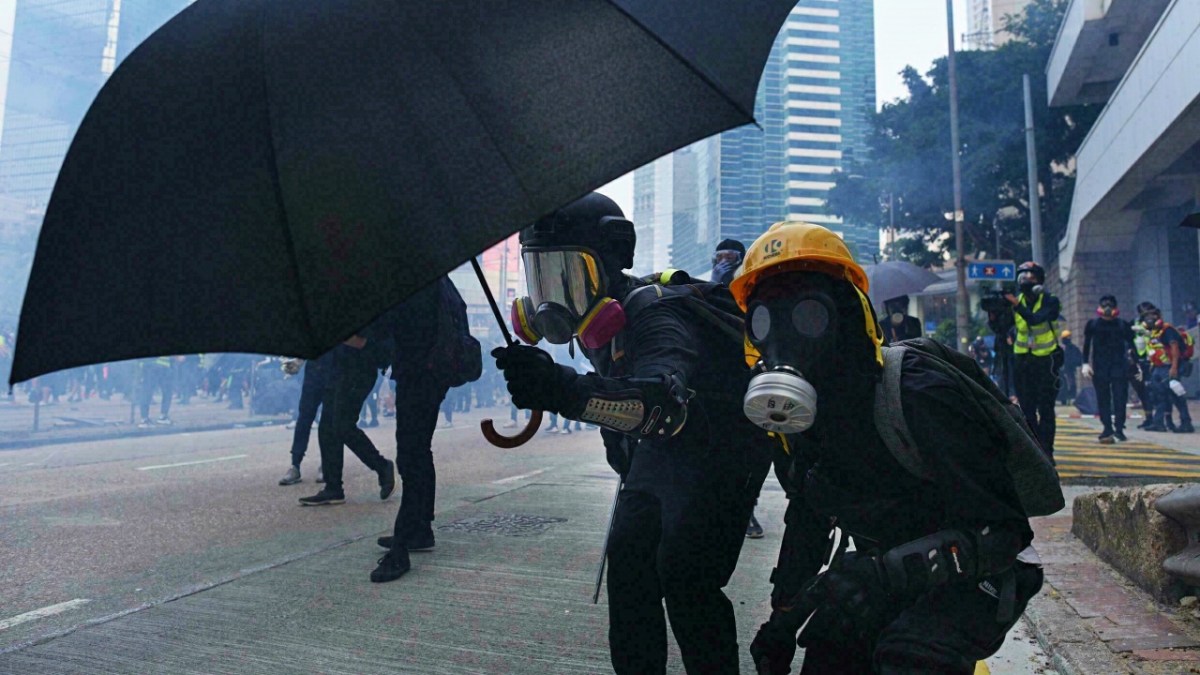
This politically stirring and at times truly heartbreaking Golden Horse-winning documentary gives us that intense journalistic, on the ground experience of the 2019 Hong Kong protests from start to end.

Animated documentaries may be few and far between, but this is an affecting work that skilfully details an Afghan refugee’s harrowing life story fleeing from war and conflict, and more introspectively, from himself.

A mid-tier Almodovar as he weaves a story of mothers and babies against a dark national history—it doesn’t always find a sure footing in terms of tone and theme, but the indelible performances and the auteur’s knack for creating suspense out of melodrama do help.
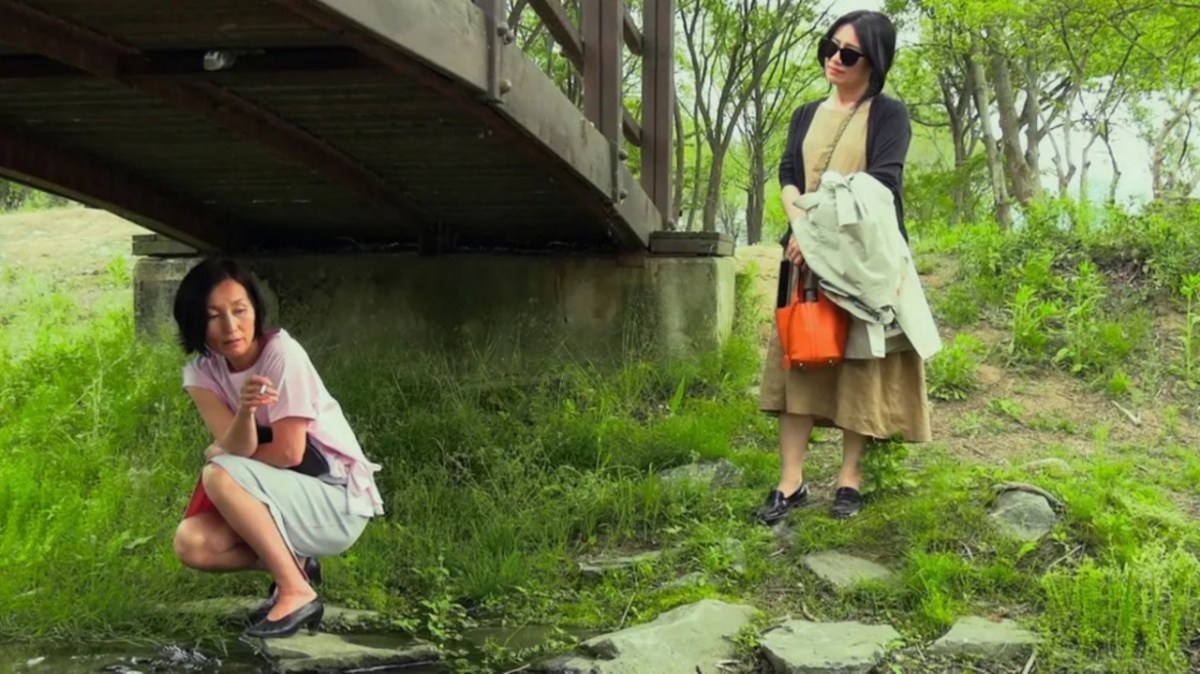
Structured like a diptych, Hong’s work here is more meditative than usual as his protagonist tries to find the grace and psychological clarity that have eluded her all her life.

A romance drama that is also a comedy and an elegy, Trier’s introspective new film has an understated, layered quality—and some cinematic tricks up its sleeves— exploring what this era’s ennui among millennials might feel like.

Kristen Stewart gives a top-tier performance of quiet rage as the tormented Princess Diana in this journey down a psychological hellhole that is as formally-crafted a film as you’ll see this year.

Exciting yet elusive, violent yet convoluted, this Locarno Golden Leopard winner is a strange beast of ideas, tropes and moods.
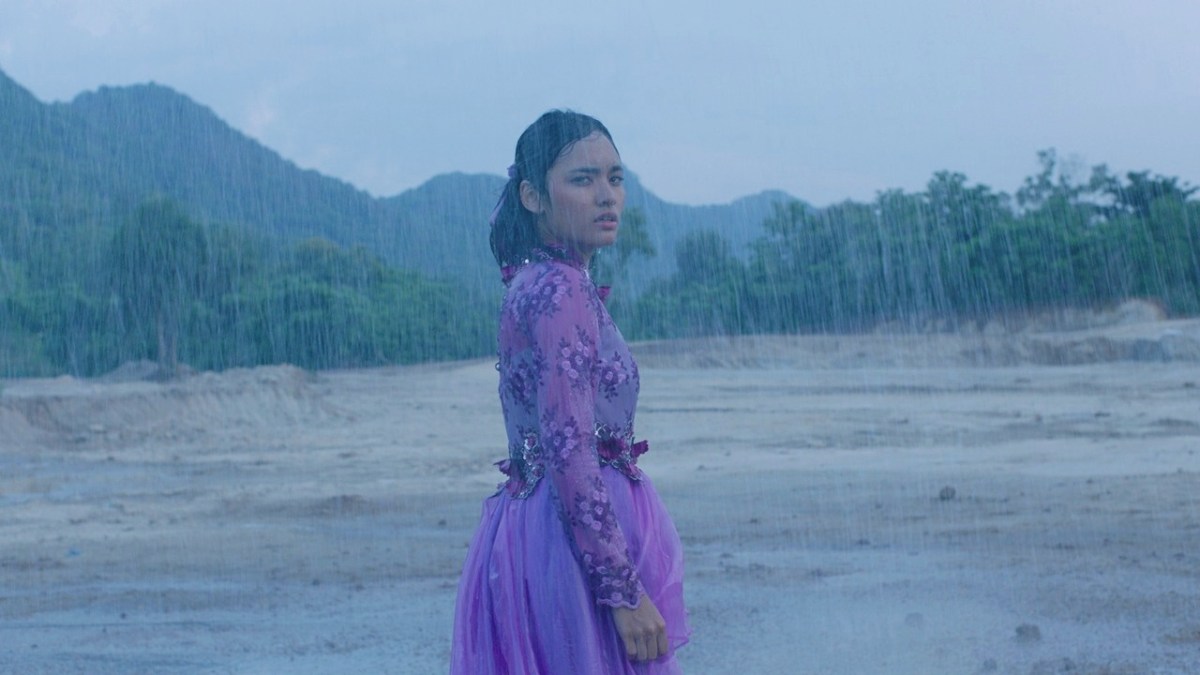
The specificity of its cultural context just about lifts this nuanced Indonesian drama about a high school girl torn between the custom of accepting marriage proposals and her dreams of further studies.

It’s well-made, but underwhelmingly conventional and perhaps too prim and proper to suggest that it has any real interest in diving deeper into the dirty sociopolitics of the time, settling unfortunately for a more sanitised, autobiographical Oscar-baiting family picture.

When a loved one has dementia, he or she feels so near yet so far—this universal feeling is ontologically perfected by Noe in cinematic terms through the split-screen technique, which forms the backbone of this grim but emotionally powerful documentary-esque work about ageing, mortality and love.

