









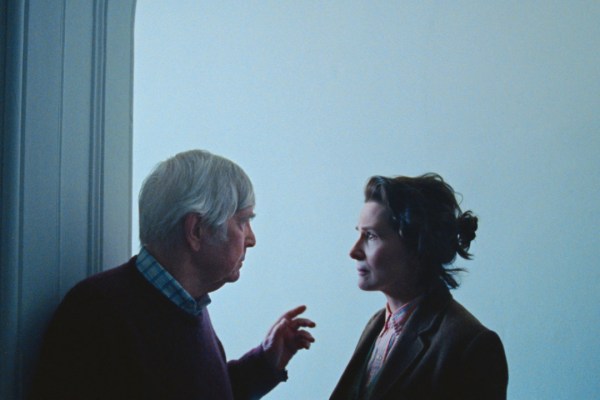
This psychedelic, violent and sexually-charged cult classic is unlike any other in early Japanese anime, about a woman making a pact with the devil in an act of desperation.
Continue reading →

This psychedelic, violent and sexually-charged cult classic is unlike any other in early Japanese anime, about a woman making a pact with the devil in an act of desperation.
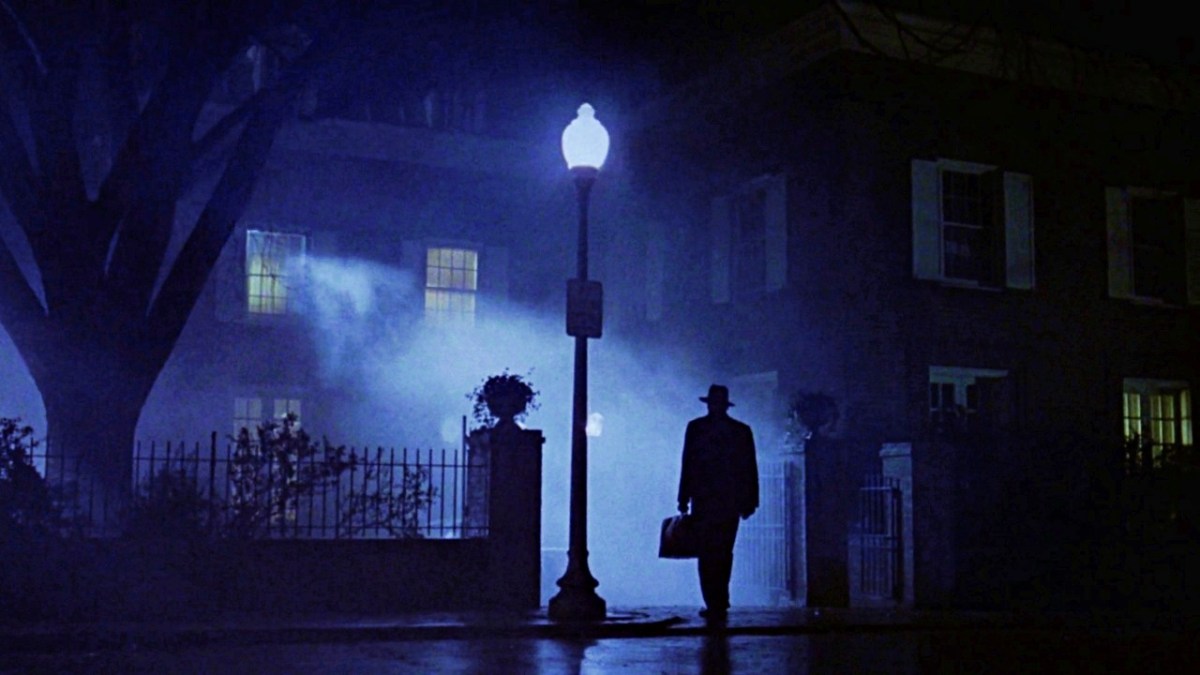
This enduring horror classic remains frightening not just for its iconic scares but also its fidelity to life—that the seepage of the supernatural into physiological reality is not merely a fantasy but a raw confrontation with the limits of religious faith.

Now canonized by The Criterion Collection, Ghatak’s beloved tragedy about the poor fishing villages on the banks of the river Titas is meandering to a fault, but is imaginative and poetic.

You haven’t really seen how outrageous cinema could be until you have seen Jodorowsky’s psychedelic-surrealist head trip on acid.

This beautiful ode to the colourful and warm life of ’30s Italy is as culturally rich and free-spirited as Fellini has ever done.
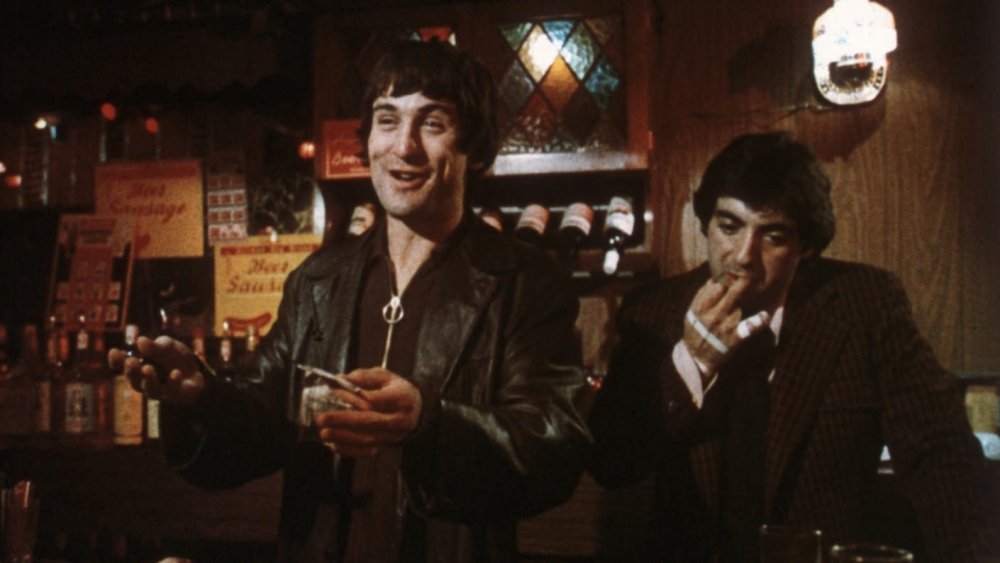
Scorsese’s directorial breakthrough is such raw and involving cinema, showing us why he would go on to be regarded as one of the greatest of all American filmmakers.

It’s difficult to stay invested in a story that has no real tension or emotional connection—this is one of the series’ weakest installments.

Dir. Kenji Misumi
1973 | Japan | Action/Crime | 89 mins | 2.40:1 | Japanese
Not rated (likely to be M18 for violence)
Cast: Tomisaburo Wakayama, Michiyo Yasuda, Akihiro Tomikawa
Plot: Five warriors challenge Ogami to duels. Each holds a part of information needed to complete the assassination of a mad clan leader.
Awards: –
Source: Toho
Accessibility Index
Subject Matter: Slightly Mature/Violent
Narrative Style: Straightforward
Pace: Normal
Audience Type: Niche Mainstream/Cult
Viewed: Criterion Blu-ray
Spoilers: No
It’s been a wild ride so far for me with the ‘Lone Wolf and Cub’ series, but this fifth instalment is a major letdown. It’s even worse than Baby Cart at the River Styx (1972), which didn’t quite work for me.
Structurally, Land of Demons is already a problem with the movie setting itself up by having its titular assassin face five warriors along his journey, as they each put their lives on the line in a bid to provide him with pieces of secret information that would eventually lead him to an assassination mission.
I must admit that the movie lost me after this incoherent setup. Although the ‘Lone Wolf and Cub’ pictures are never supposed to be taken seriously, Land of Demons has no real tension whatsoever with narrative stakes minimally drawn out even though it tackles themes of betrayal and deceit.
Heck, I couldn’t even summarise what the movie is about even if I want to. There is also a lack of emotional connection to any of the characters, something that the previous installment, Baby Cart in Peril (1972), had in abundance.
However, there is a sequence that remains stuck in my mind—the corporal punishment of Daigoro, Ogami’s son, for allegedly being involved with a wanted female pickpocket. If the most memorable part of the movie is the flogging of a child, then there’s really nothing much else to be excited about.
Grade: C–
Trailer:
OST:

