








Tati’s debut feature is a charming little piece about a postman in a countryside town, filled with the kind of visual gags and physical humour that would define his future works.
Continue reading →

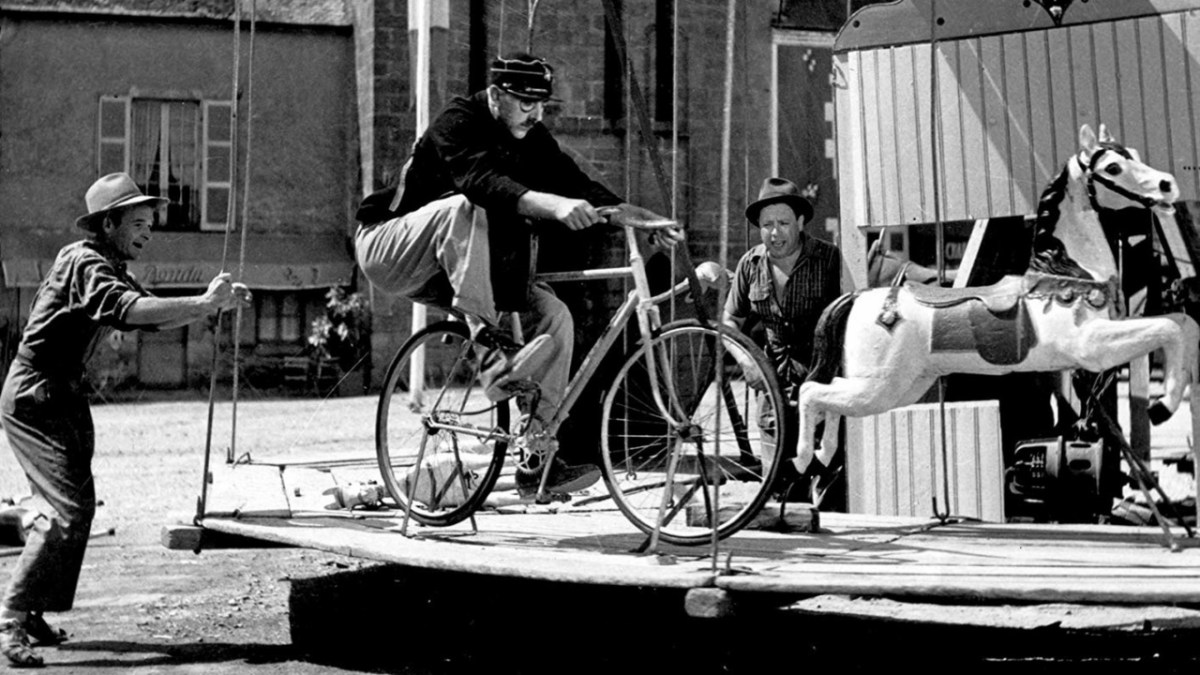
Tati’s debut feature is a charming little piece about a postman in a countryside town, filled with the kind of visual gags and physical humour that would define his future works.

A decent directorial feature debut that is an honest and intimate coming-of-age portrayal of a teenager’s sexual awakening.

Sembene the trailblazer led African cinema to international recognition with this landmark classic about the despair of a black Senegalese woman made to work for a white French family.

(First written in 2012, updated in 2015, never before published)
Introduction
Although the horror genre was littered with countless B-movies with incredulous titles in the early days such as The Giant Claw (1957), The Alligator People (1959), and Attack of the Giant Leeches (1959), it had slowly gained some sort of industry and critical acceptance over the decades with films such as Rosemary’s Baby (1968), The Exorcist (1973), Halloween (1978), and The Shining (1980), among many others, now considered canonical works of the genre.

An unusual and at times powerful Soviet WWII movie about a male sergeant leading a group of inexperienced women soldiers into a skirmish with marauding Nazis.

This precise drama by one of Poland’s foremost female directors is wryly comic if also conceptually peculiar as it explores grief and the afterlife against a father-and-daughter narrative.

Cinema can be the raison d’être for many of us, but this illuminating Sudanese documentary shows us that it can also be a marker of a lifetime of despair.

Satyajit Ray’s only Hindi film is an engrossing treatment of how the pleasures of chess can take on political and symbolic significance.

One of Coppola’s weakest efforts in what is a heavy-handed and muddling mess of a film, despite the good performance by Tim Roth.

Good but not great, this final film of the ‘Godfather’ trilogy should still please the more generous fans.

