





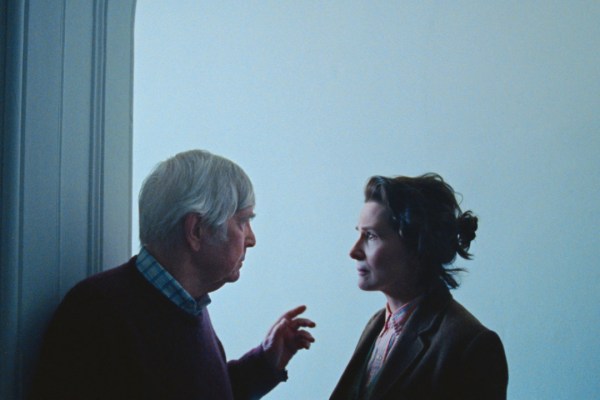
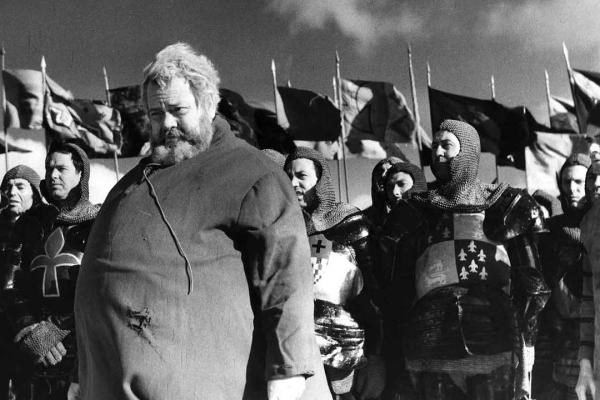



One of the towering achievements of British cinema from one of the medium’s most formidable directing duos.
Continue reading →

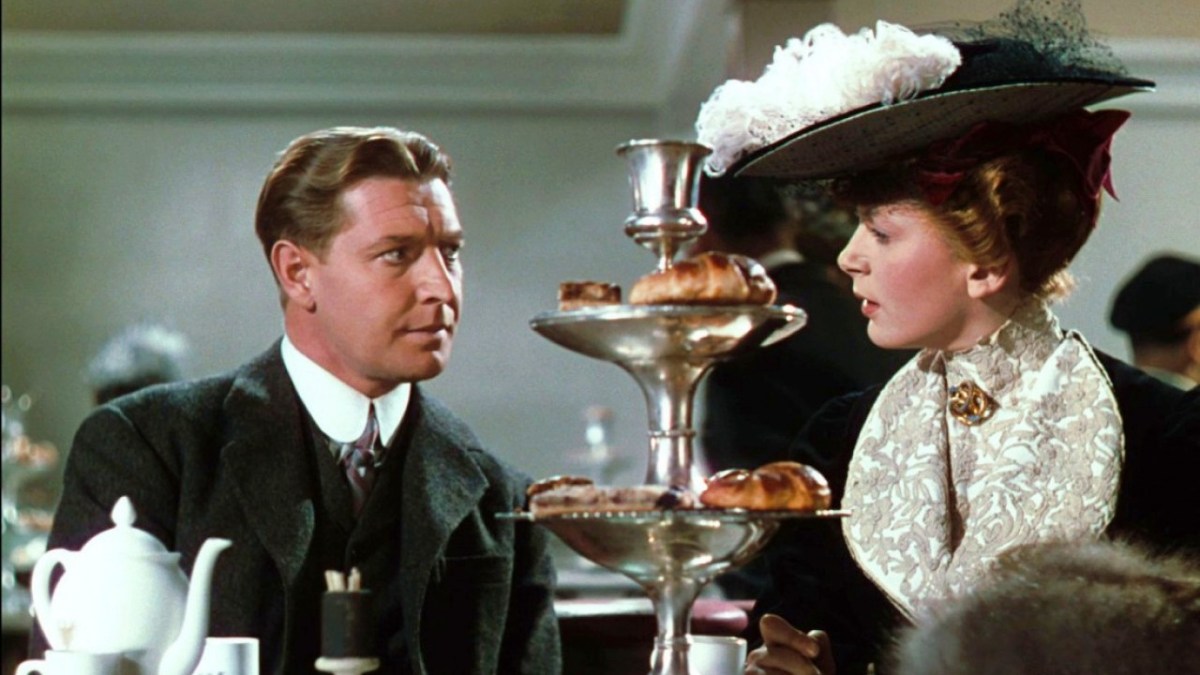
One of the towering achievements of British cinema from one of the medium’s most formidable directing duos.

As an action film, John Woo’s first foray into Hollywood filmmaking ticks the right boxes, plus it’s also one of my favourite Van Damme outings.

Kiarostami closes his wondrous ‘Koker’ trilogy with an even more multi-layered, meta-cinematic experiment in the guise of a love story.

A ballet dancer is torn between romance and ambition in one of Powell and Pressburger’s most glorious and ravishing Technicolor triumphs.

This could be Lynch’s most enduring film – an emotionally-resonating and psychologically-rich work about discrimination and compassion based on the true story of a horribly disfigured man.
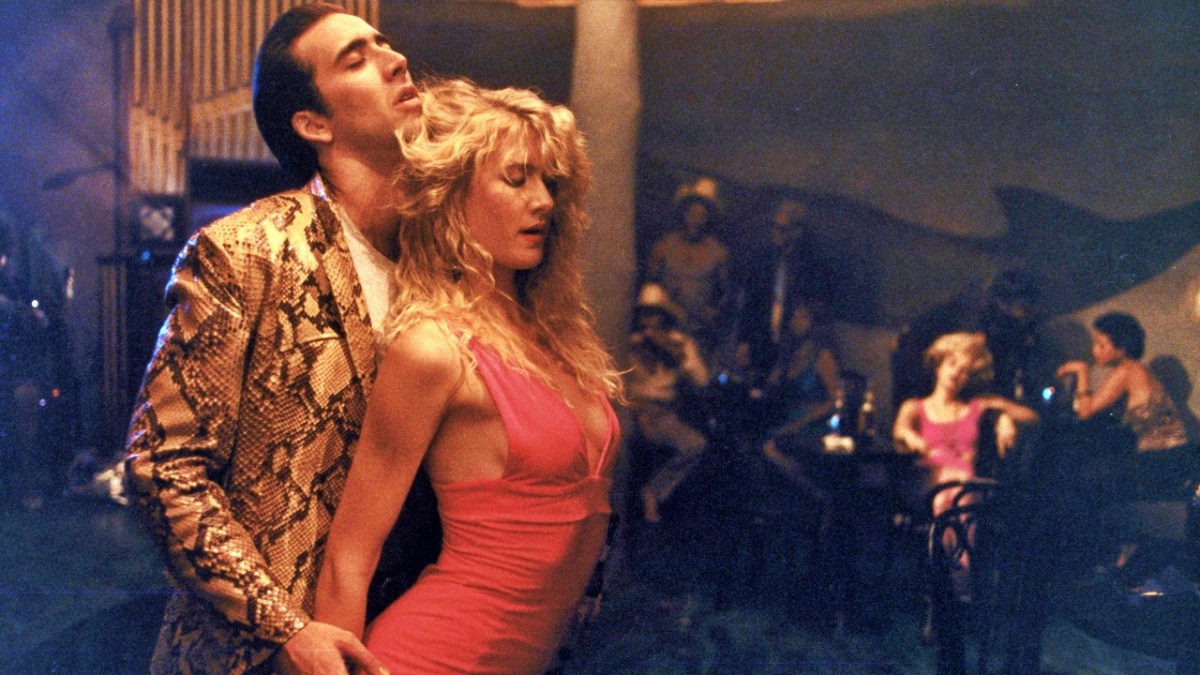
Lynch’s delirious Palme d’Or-winning film starts very strongly but peters out as an incoherent if still fun, violent and erotic lovers-on-the-road movie.
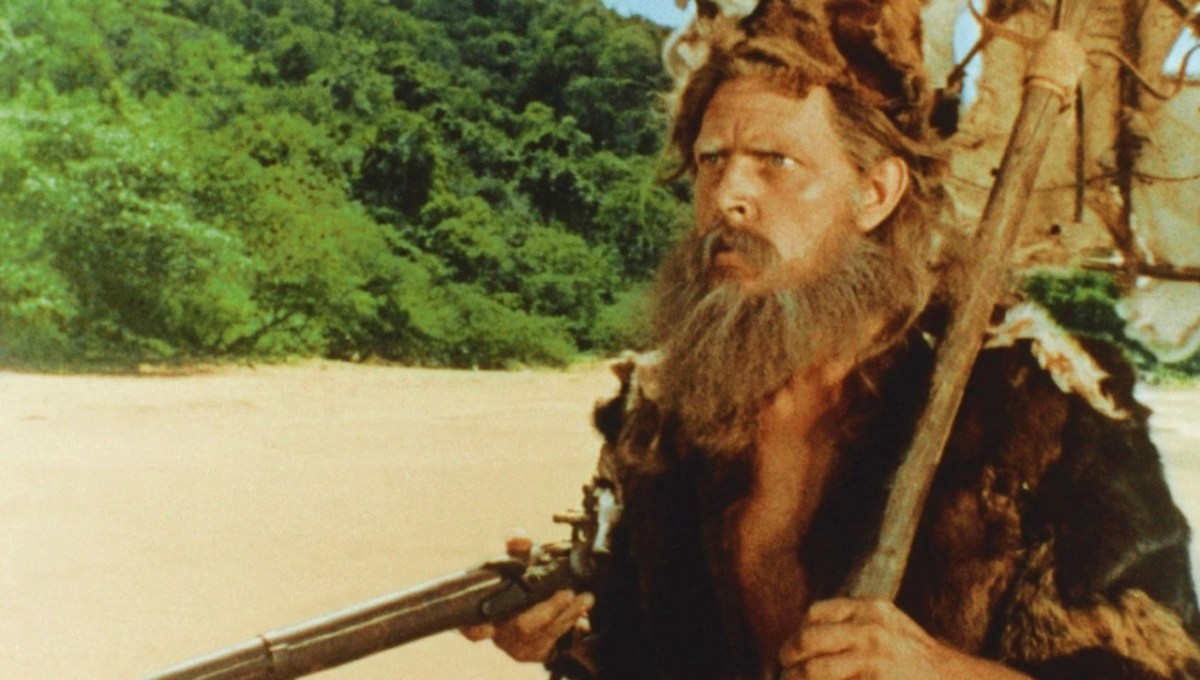
Bunuel’s first film in colour was his closest flirtation with a Hollywood style of filmmaking, effortlessly adapting the famous story of a shipwrecked man who must live solitarily on an unknown island for an unknown number of years.

The Korean immigrant experience in America, portrayed with intimacy and tenderness, and featuring two discoveries of the year— the promising child actor Alan Kim and Emile Mosseri’s ethereal score.
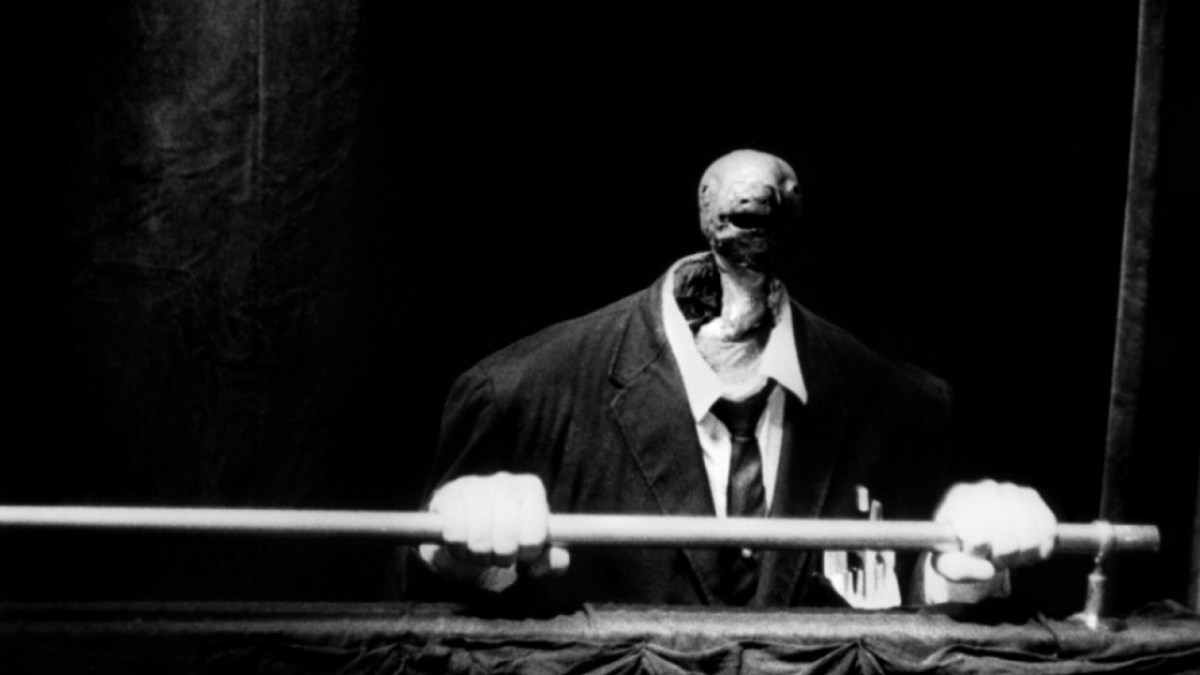
Outstanding feature debut by David Lynch, this is as nightmarish and surreal as they come.
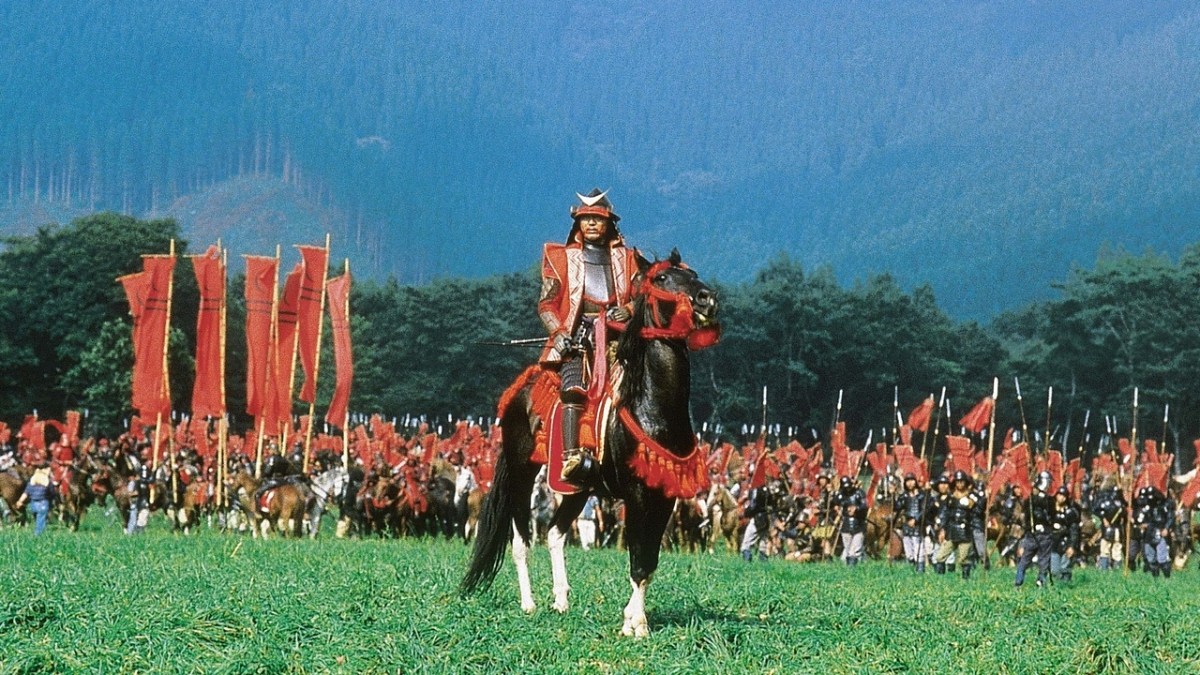
Among the masterpieces of Kurosawa, this one sits confidently at the very, very top, and is quite rightly one of the greatest films ever made of all-time.

