



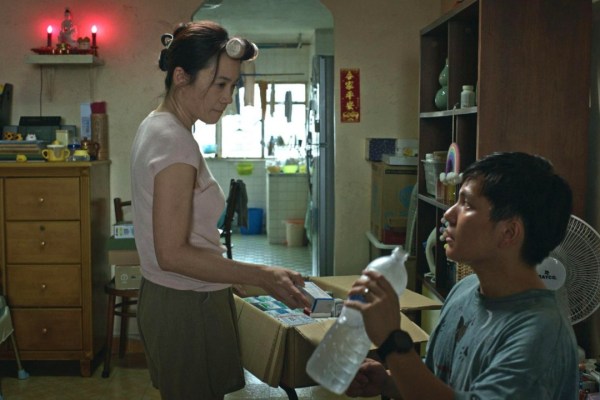

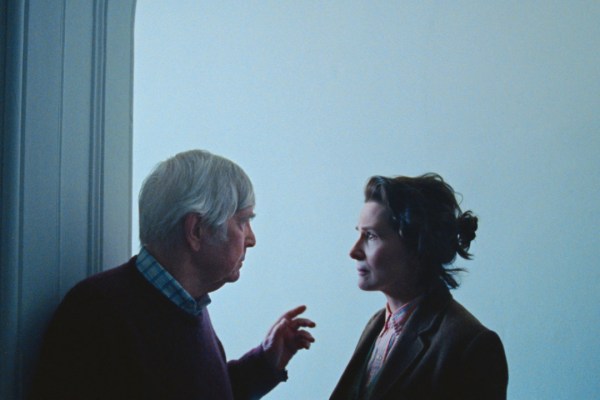
The third entry in Seidl’s trilogy may be the least provocative but it is surprisingly one of his more embracing films as a teenage girl becomes infatuated with a much older doctor at her dieting camp.
Continue reading →

The third entry in Seidl’s trilogy may be the least provocative but it is surprisingly one of his more embracing films as a teenage girl becomes infatuated with a much older doctor at her dieting camp.
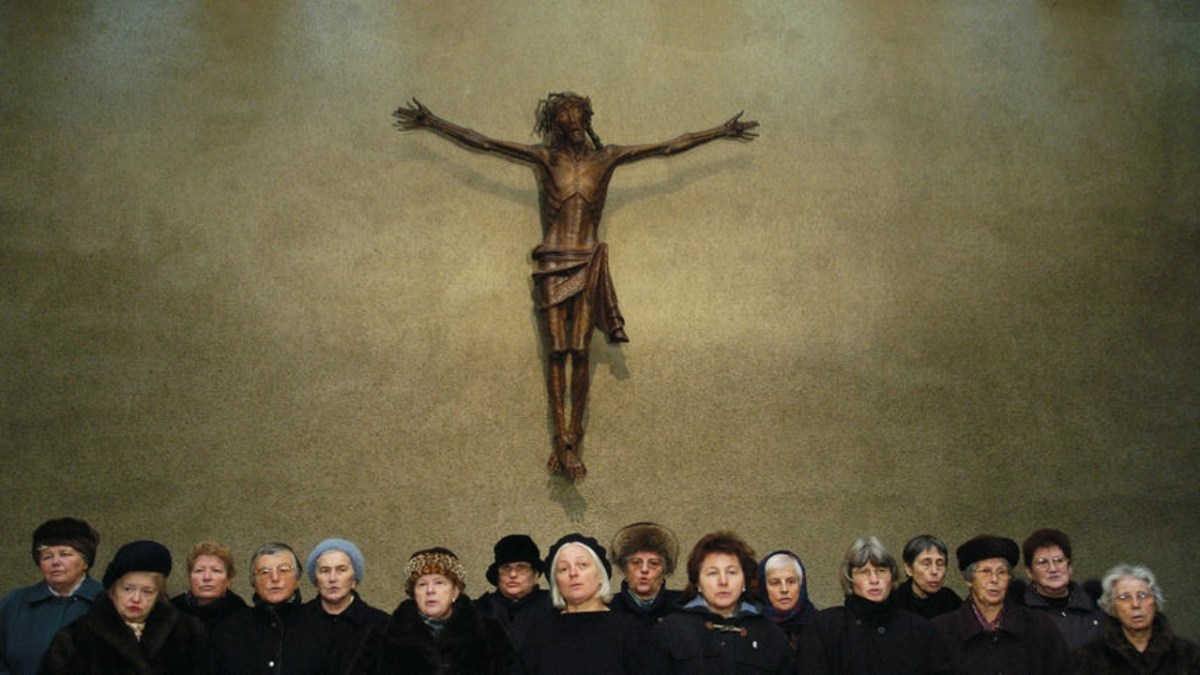
In what could be Seidl’s least provocative film, he tackles the notion of pure religious faith as a single, static camera is objectively set up in various churches to capture several devout Catholics in private conversations with Jesus.

This could be Seidl’s most provocative work about the moral slippage of religious fanatics, as the faith of an extremely devoted Catholic Austrian woman is tested by the unexpected return of her handicapped Muslim husband.
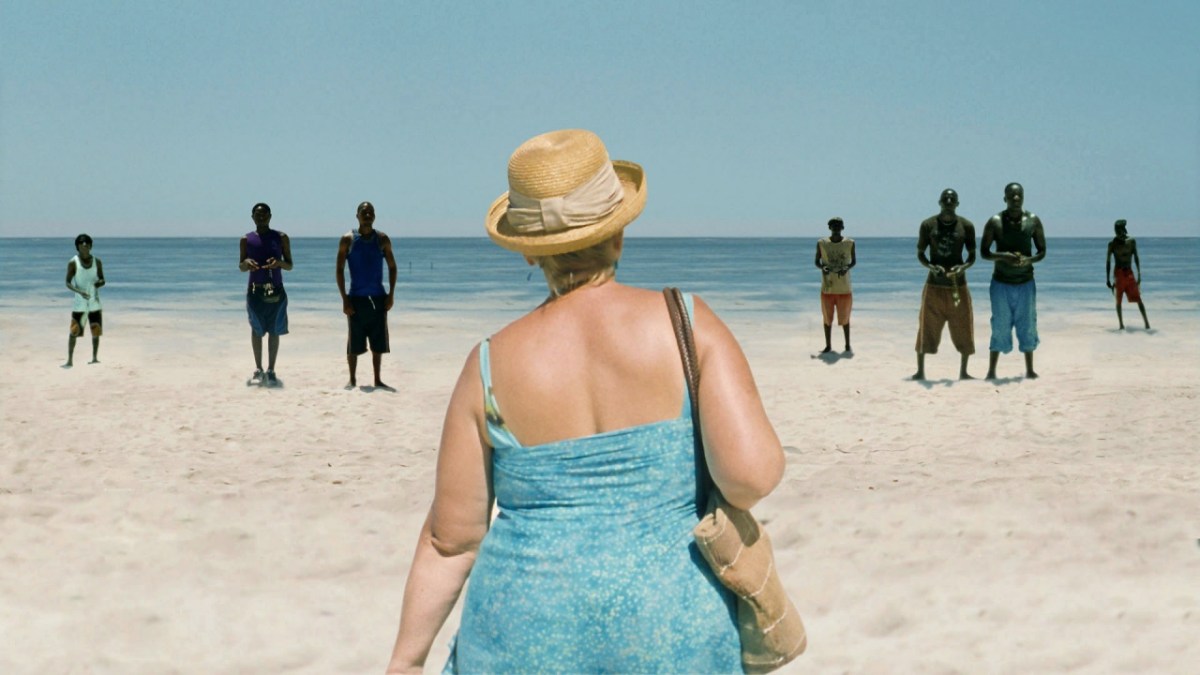
An Austrian woman goes to Kenya in search of intimacy and connection as Seidl, in his usual provocative mode, explores ‘sex tourism’ as both a curse and an antidote to sheer human loneliness.
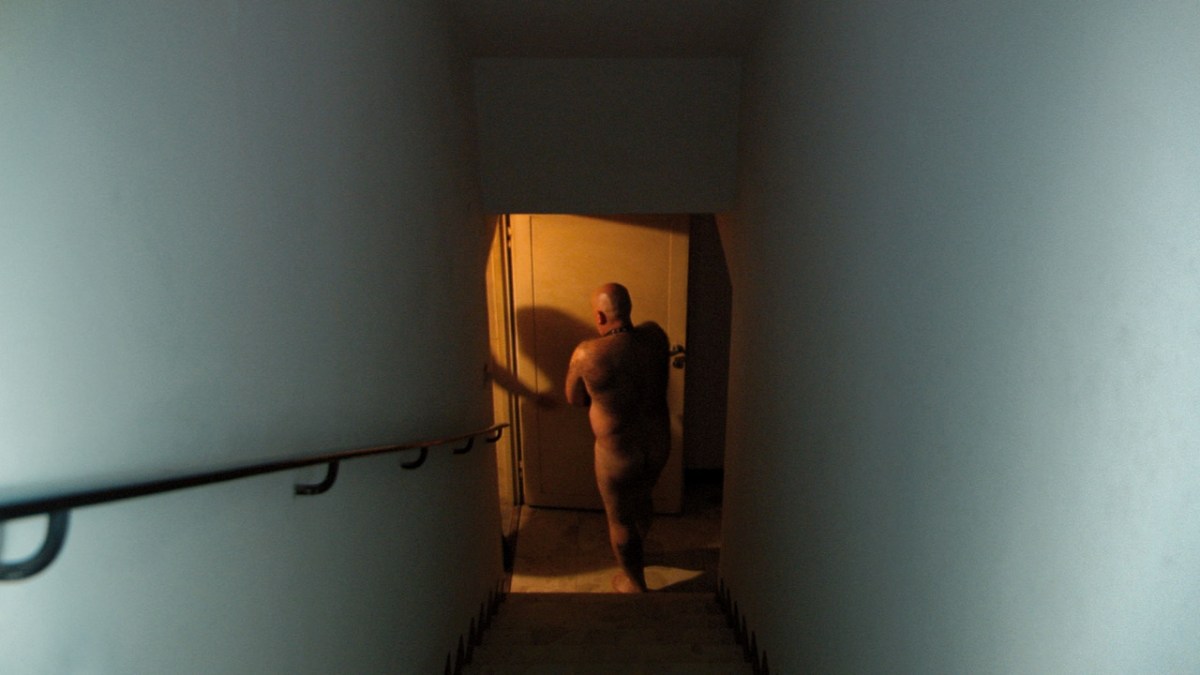
S&M aficionados, Nazi sympathizers and more adorn Seidl’s shocking if enlightening tableaux-esque documentary about the bewildering secrets and fetishes that transpire in the basements of Austrian residences.
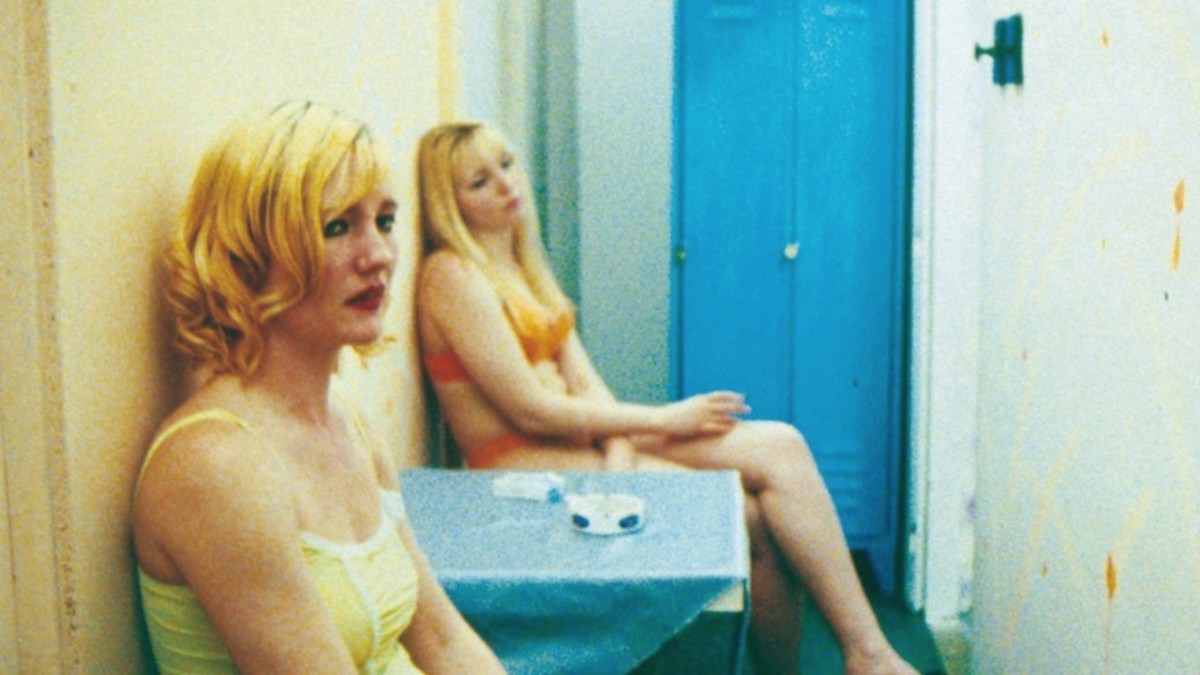
A Ukrainian woman travels to Austria while an Austrian man travels to Ukraine for work in what could be Seidl’s finest hour as a filmmaker—this is an extraordinary ultra-realist drama about the human costs of being dispensable in the East-West European economic flows.

Gritty, downbeat and cynical, Seidl’s provocative first fiction feature uses the camera like a privacy-intruding one-way mirror as it observes several women and their exploits with cheap modelling, perverted men and toxic relationships.

