



This could be Pasolini’s most oblique work—a diptych that examines the nature of latent fascism and fetishistic consumption through the symbolism of cannibalism and the erasure of bodily traces.
Continue reading →
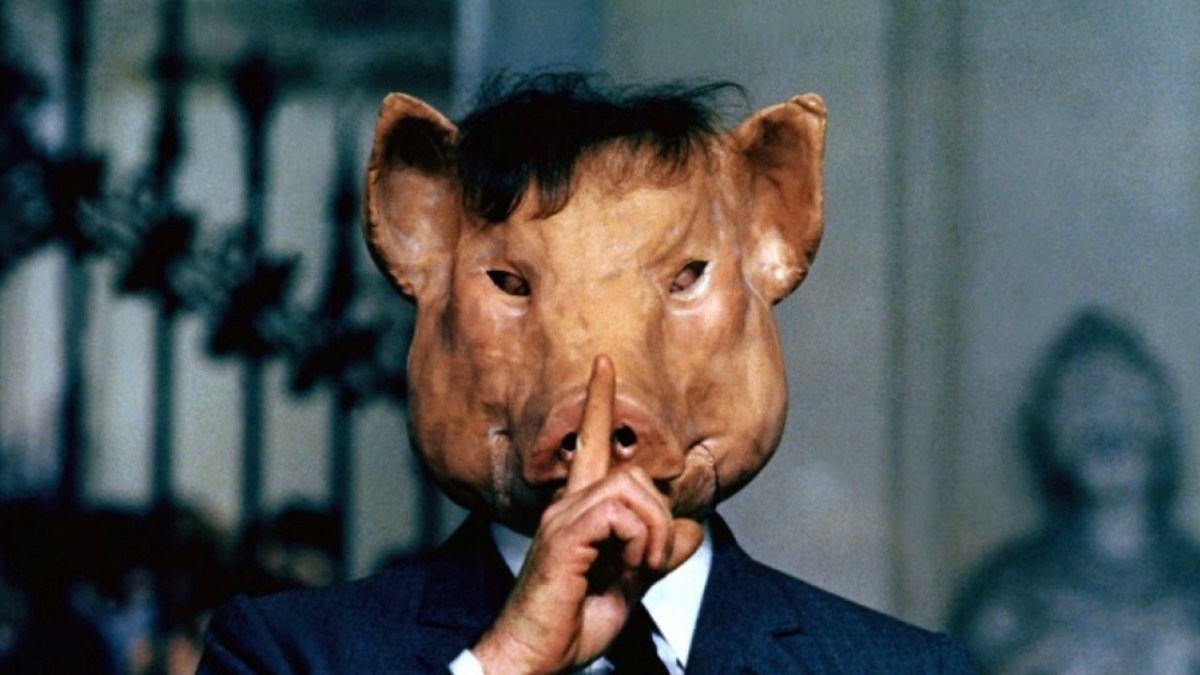
This could be Pasolini’s most oblique work—a diptych that examines the nature of latent fascism and fetishistic consumption through the symbolism of cannibalism and the erasure of bodily traces.

This solid mythical epic based on Sophocles’ most famous text sees Pasolini passionately delivering a rousing tragedy, a precursor and counterpoint to his boisterous and even more provocative ‘Trilogy of Life’.

A talking Marxist-leaning crow accompanies an old man and his son as Pasolini fashions a lukewarm comedy with absurdist undertones as it pokes fun at religion, politics and society.

Perverse, disturbing and chilling, but also essential, Pasolini’s controversial final film evokes both disgust and fascination in equal measure.

Pasolini asks the Italian public very bold and awkward questions about sex—and all of its political, social, economic and cultural implications—in this superb and highly-entertaining documentary survey.

Tales of lust and love are intertwined with Pasolini’s astonishing location shooting in this weird concoction of a film that runs a bit too long.

Not as complete as The Decameron was, this lust-filled, sex-crazed medieval fantasy will probably knock you out with its comic outrageousness.

Pasolini’s first film in his unofficial ‘Trilogy of Life’ is wildly provocative and blasphemous where religion and sex meet at the crossroads of art.

Powerful, poetic and sublime, this could be Pasolini’s magnum opus and arguably the greatest film about the life of Jesus Christ.

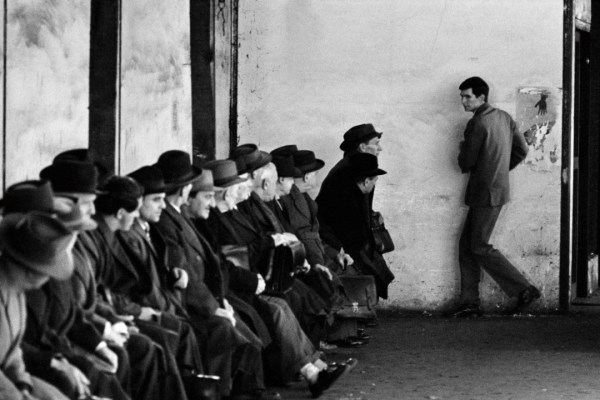
Quite a strong debut by Pasolini in the tradition of neorealism, with a harsh, fatalistic tone.
 Eternality Tan