






Even non-climbing enthusiasts will fall in love with Tommy Caldwell in this well-made documentary as he and his climbing partner attempt to free climb a route up the legendary El Capitan that had been deemed impossible to scale.
Continue reading →
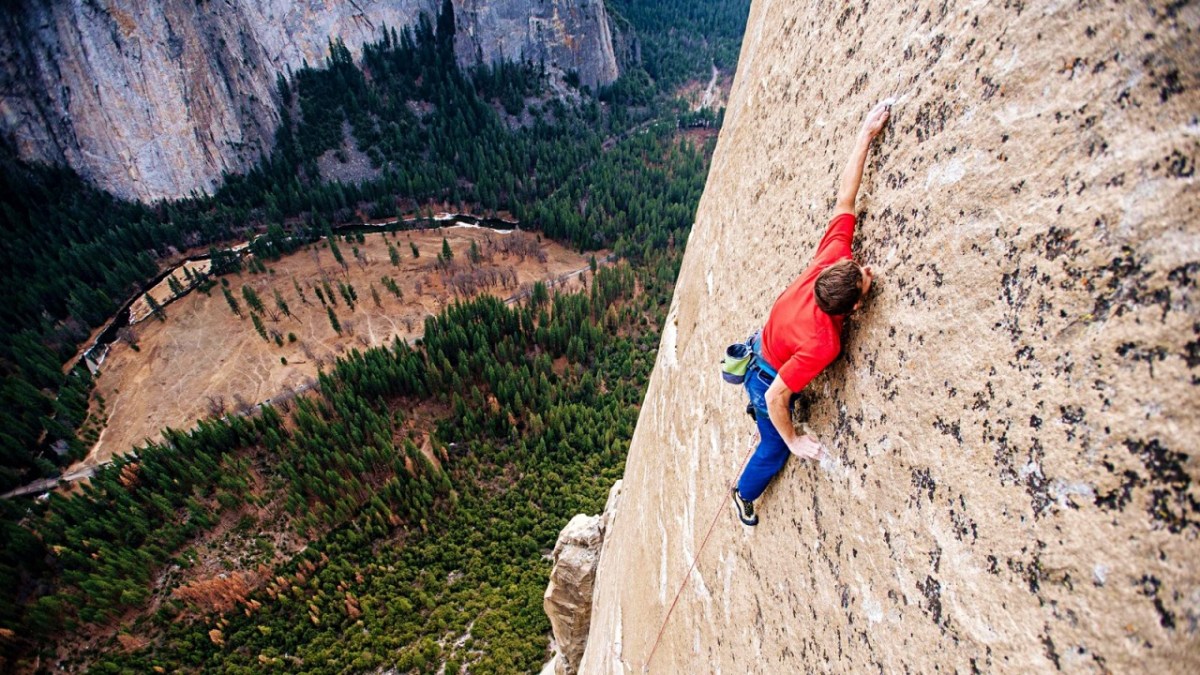
Even non-climbing enthusiasts will fall in love with Tommy Caldwell in this well-made documentary as he and his climbing partner attempt to free climb a route up the legendary El Capitan that had been deemed impossible to scale.
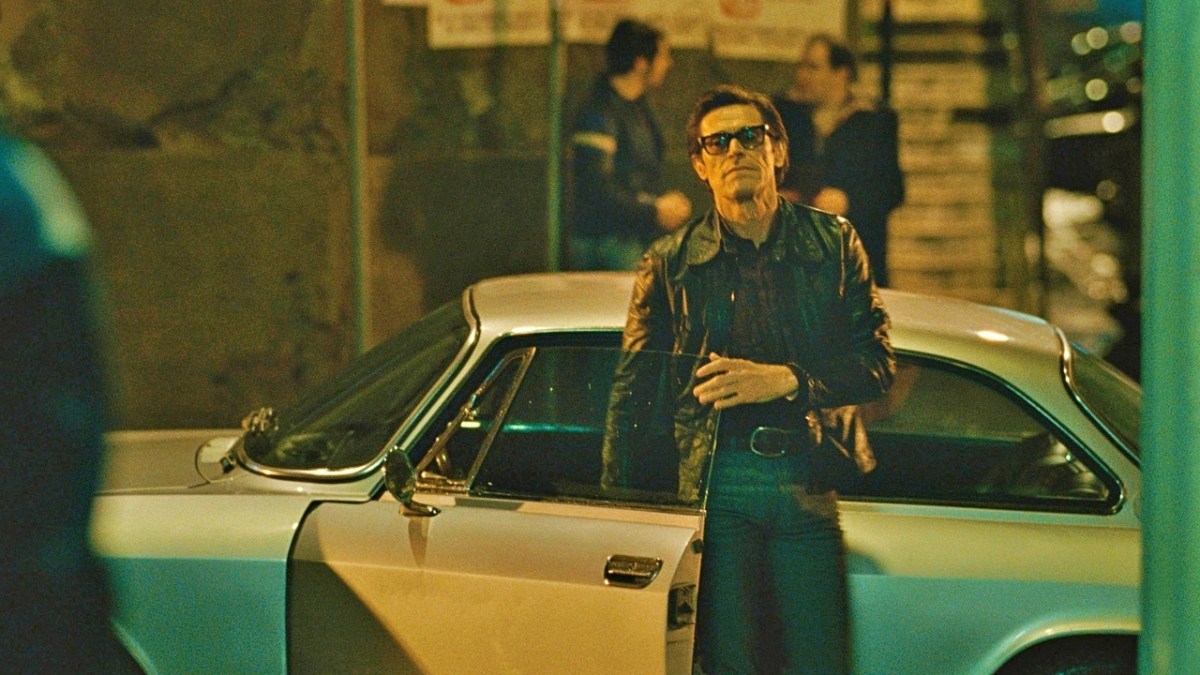
An unconventional, mosaic-like, though not always engaging account of the last day of Pasolini’s life—capturing the values, ideals and artistry of a filmmaker who was also an ideological provocateur.

This psychedelic, violent and sexually-charged cult classic is unlike any other in early Japanese anime, about a woman making a pact with the devil in an act of desperation.

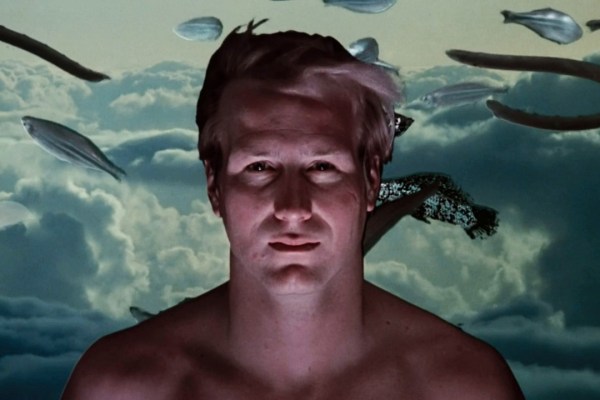
Ruiz’s stylish, surreal visual style here is breathtaking at times, but the film is challenging to get into because of its nebulous storytelling.
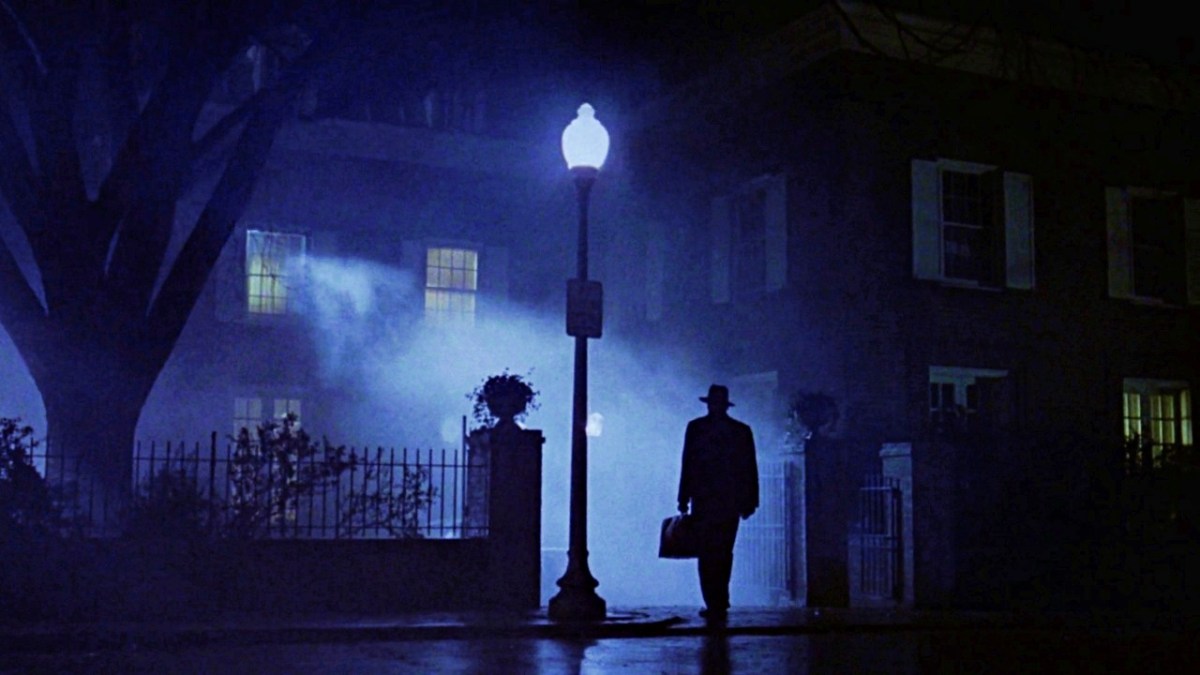
This enduring horror classic remains frightening not just for its iconic scares but also its fidelity to life—that the seepage of the supernatural into physiological reality is not merely a fantasy but a raw confrontation with the limits of religious faith.
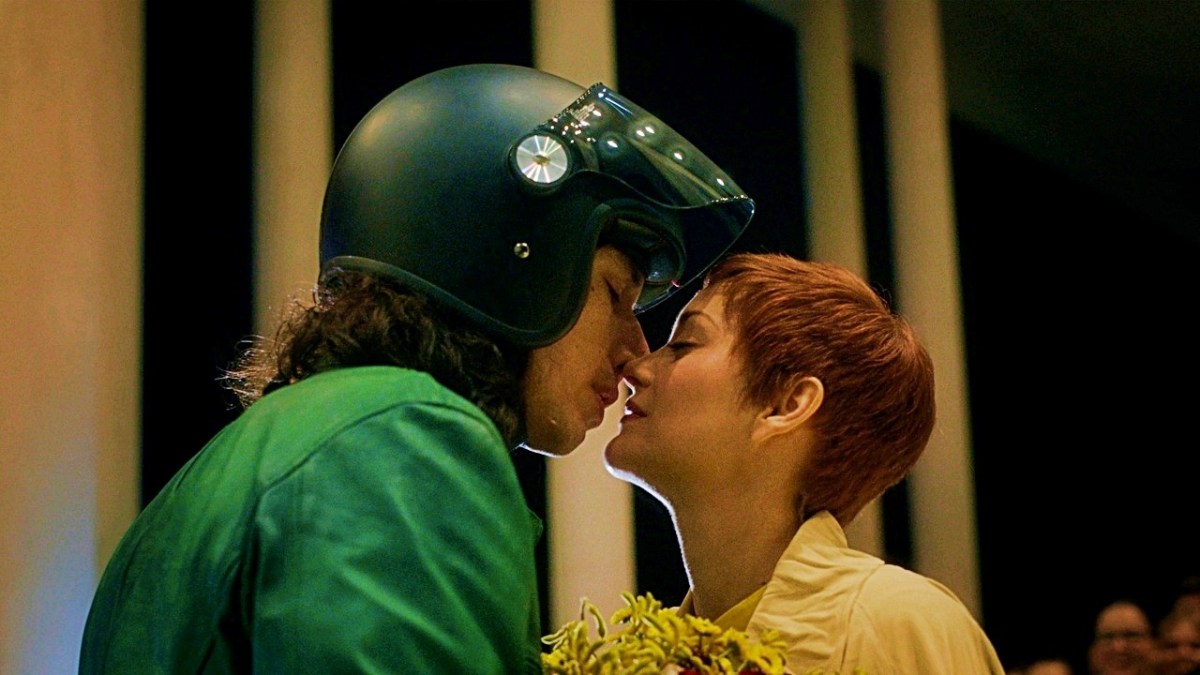
Adam Driver is sensational in this unorthodox if tonally-uneven musical about the perils of celebrity culture that oscillates between feeling inspired and overdrawn.

This heartfelt, partially-animated documentary centering on a Japanese man who lost his wife in the 2011 tsunami doesn’t have any pretensions and works because of its sincerity.

More of a compilation of past concert performances (albeit in stunning audiovisual quality) than a documentary of new insight and depth, this will please and frustrate fans in equal measure.

This is pedagogy as cinema—an unobtrusive and highly-rewarding documentary centering on a veteran teacher and his ethnically-diverse students in a small town in Germany, earning every compelling bit of its nearly four-hour runtime.

Arguably Studio Ghibli’s weakest film, Goro Miyazaki’s debut feature is poorly-paced with a story that doesn’t sparkle, despite the beautiful, otherworldly visuals.

