




Kurosawa’s final collab with Mifune yields a near masterpiece about humanity that is beautiful, poetic and enlightening.
Continue reading →

Kurosawa’s final collab with Mifune yields a near masterpiece about humanity that is beautiful, poetic and enlightening.

Kurosawa’s underrated gem of a masterwork is both an emotionally tense domestic drama, and a hot and sweaty police procedural.

Sexual politics and sociopolitics dovetail in Bunuel’s mesmerising final film, featuring two actresses taking turns to play the female lead.
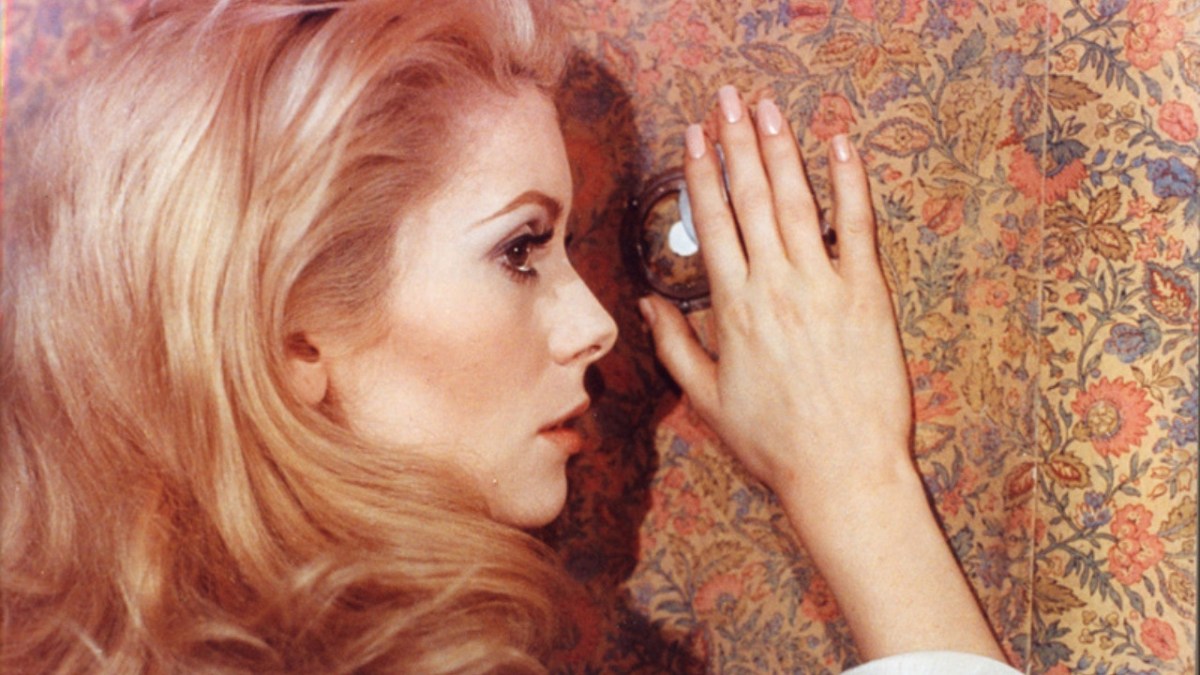
A bold and stunning effort by Bunuel that explores with psychological depth both sexual repression and expression from the perspective of a sexy but frigid young woman.
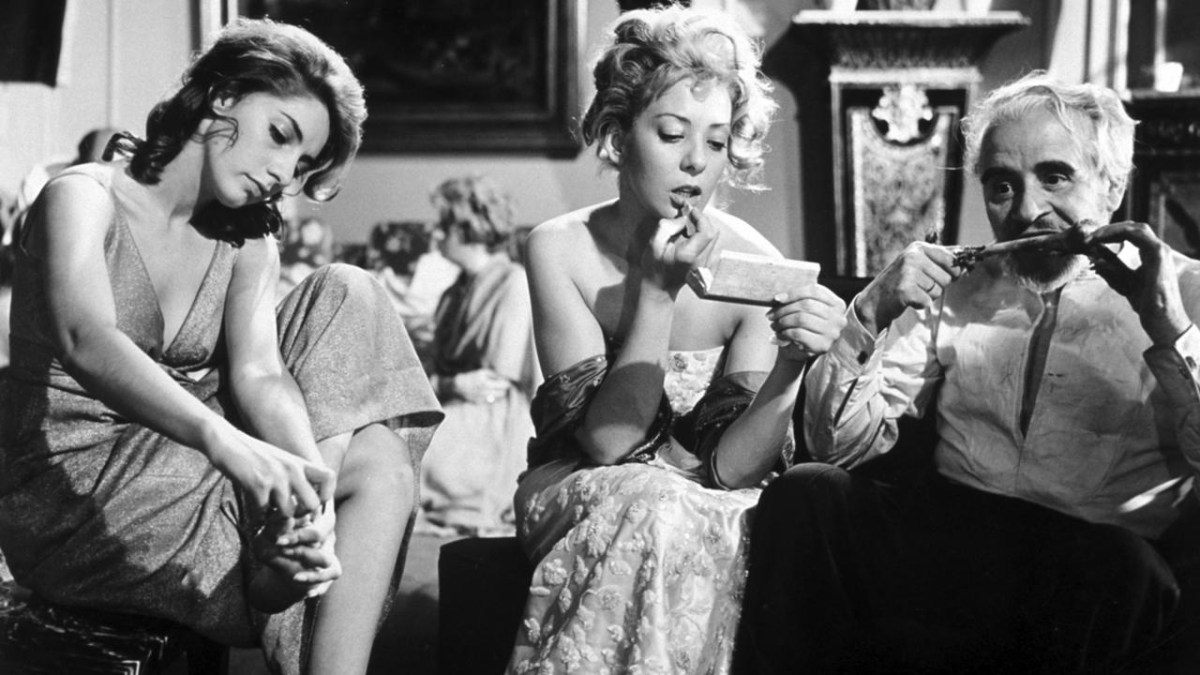
May be at times challenging to watch but Bunuel took down the upper-classes in the kind of sharp comic absurdity that he was known for.

A lighter if lesser effort by Kurosawa, but it is no less entertaining and darkly comic than its companion piece ‘Yojimbo’ (1961).
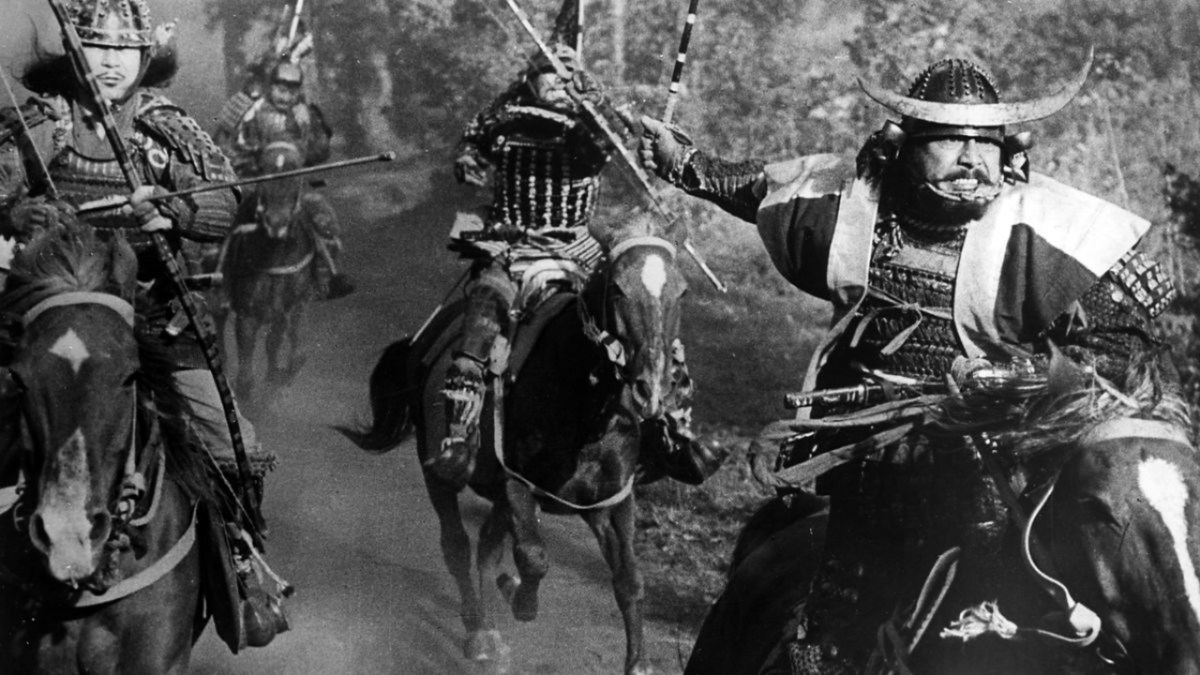
Kurosawa’s Noh-influenced take on ‘Macbeth’ is elemental, engrossing and one of the greatest screen adaptations of Shakespeare.

Magical yet haunting, Cocteau’s reimagining of the Orpheus myth in France during the Beatnik 1950s is a cinephile’s treat.

Arguably Rohmer’s most iconic ‘moral tale’—the plot of an older man’s fetish for a teenage girl’s bare knee makes for great philosophical musings about the nature of lust and love.

Now canonized by The Criterion Collection, Ghatak’s beloved tragedy about the poor fishing villages on the banks of the river Titas is meandering to a fault, but is imaginative and poetic.

