




One of Kurosawa’s lesser urban dramas that deals with the trauma and anxiety of nuclear annihilation through the eyes of a paranoid old patriarch.
Continue reading →

One of Kurosawa’s lesser urban dramas that deals with the trauma and anxiety of nuclear annihilation through the eyes of a paranoid old patriarch.

Kurosawa’s magnum opus is a glorious triumph and the standard-bearer for bravura epic filmmaking, still yet to be surpassed.

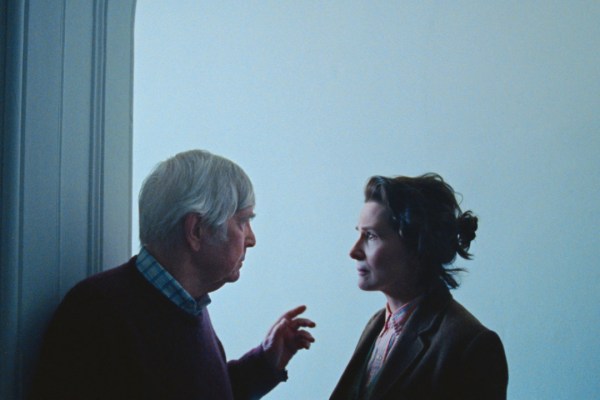
Lust and personal resolve collide in Rohmer’s first feature in colour, lensed with warmth and sensuality by Days of Heaven’s Nestor Almendros.

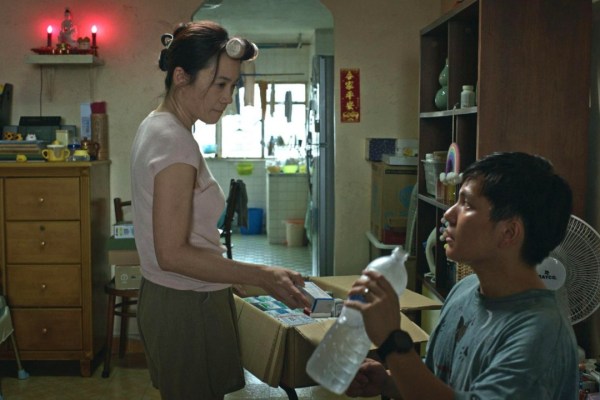
This Cannes Palme d’Or winner is a masterful, humanistic attempt at capturing the issue of immigrants, through the perspective of a ‘family’ of Tamils at a transitory point in their lives.
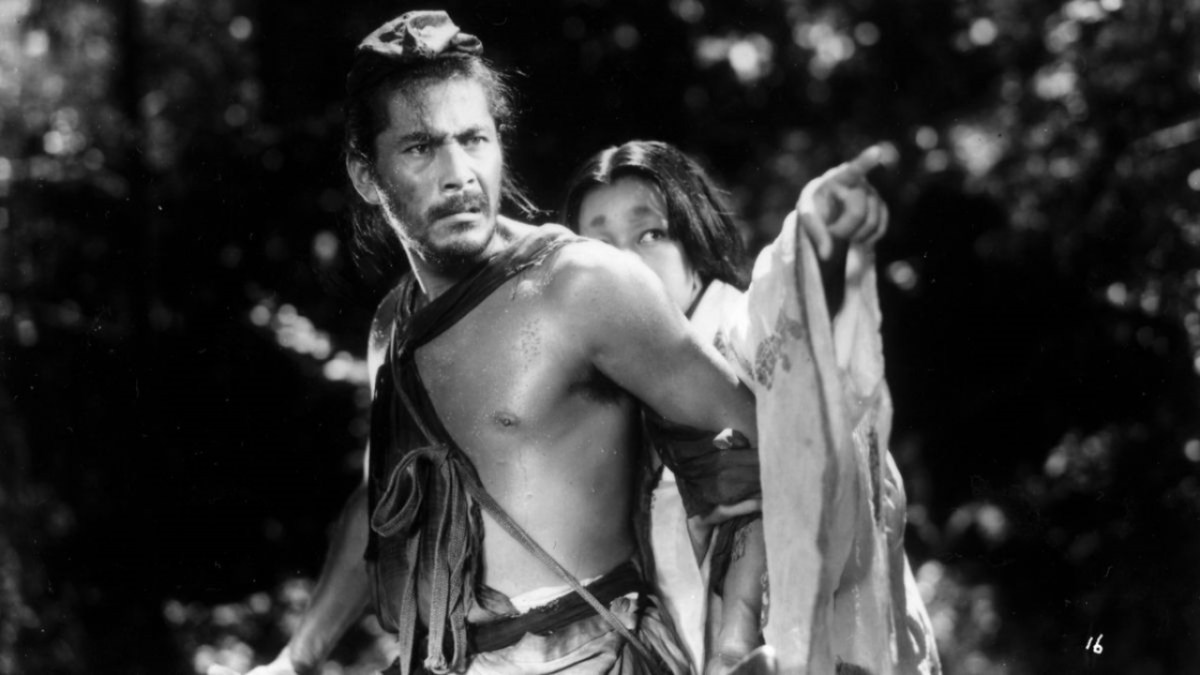
The film that launched Japanese cinema into serious international reckoning, and quite simply one of Kurosawa’s very best.

A solid early work by Kurosawa in what is a clever cat-and-mouse chase that leads to an emotional climax.
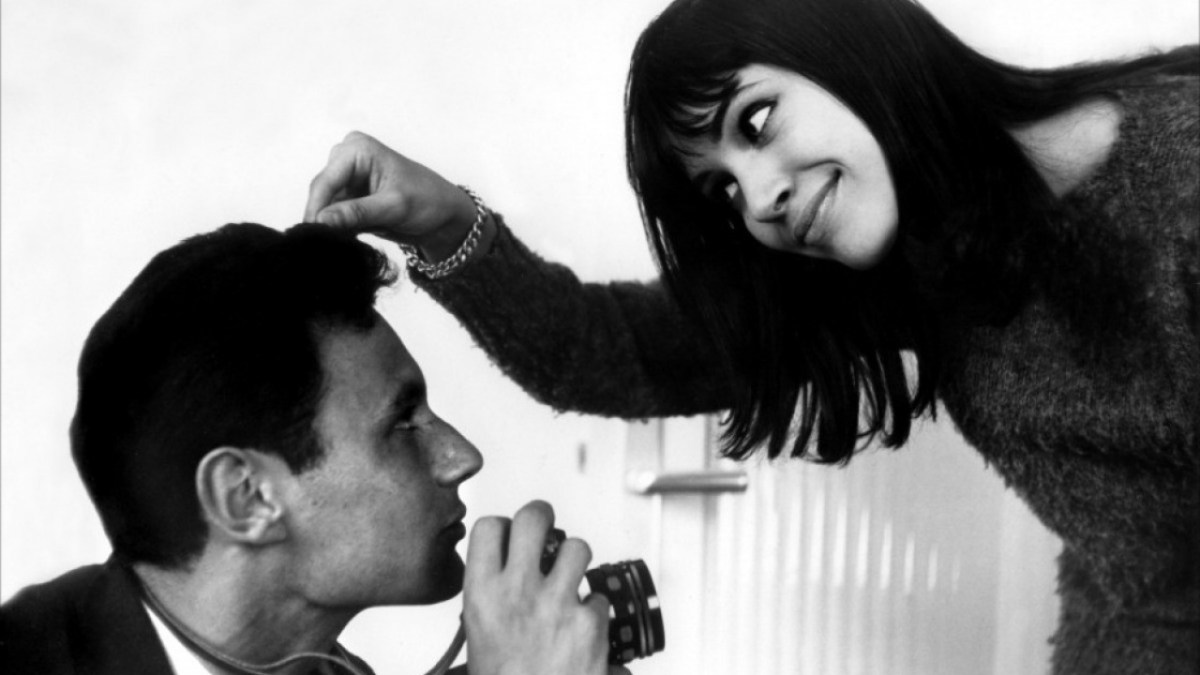
Banned for a short while in France, Godard’s second feature boldly and stylistically depicts the moral complexities of the Algerian war, throwing audiences at the time an early political curveball.
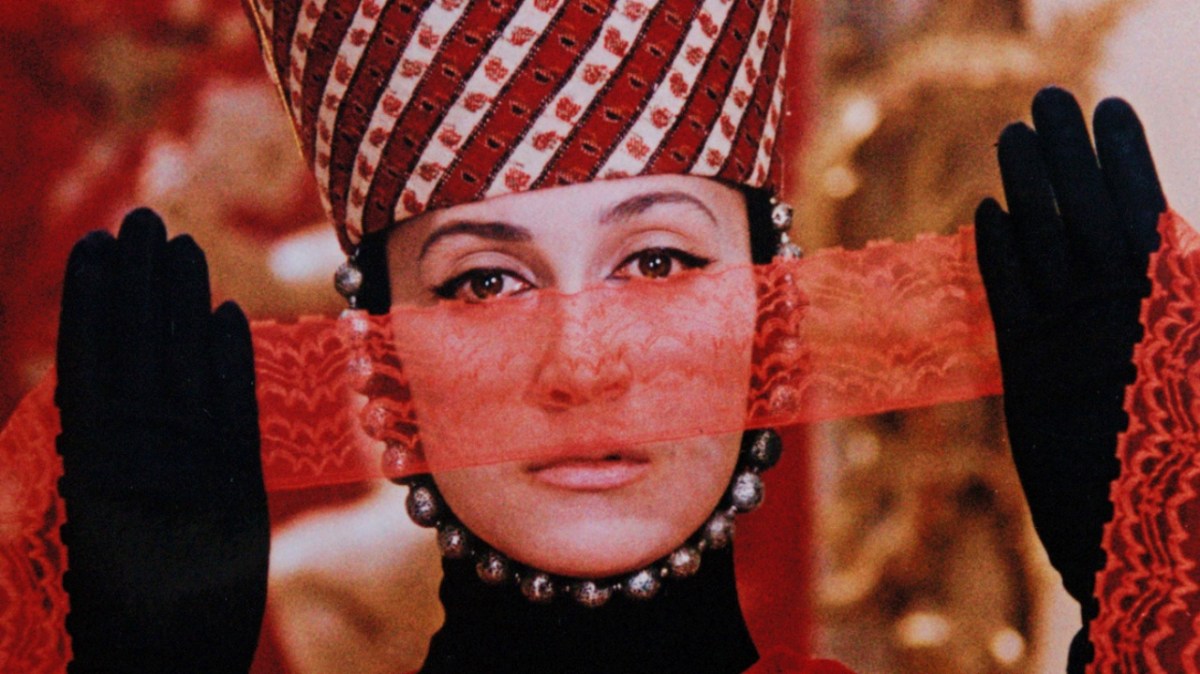
As fascinating as it is arcane, this visually and aurally arresting work from Armenia defeats categorization, but is indescribably hypnotic.
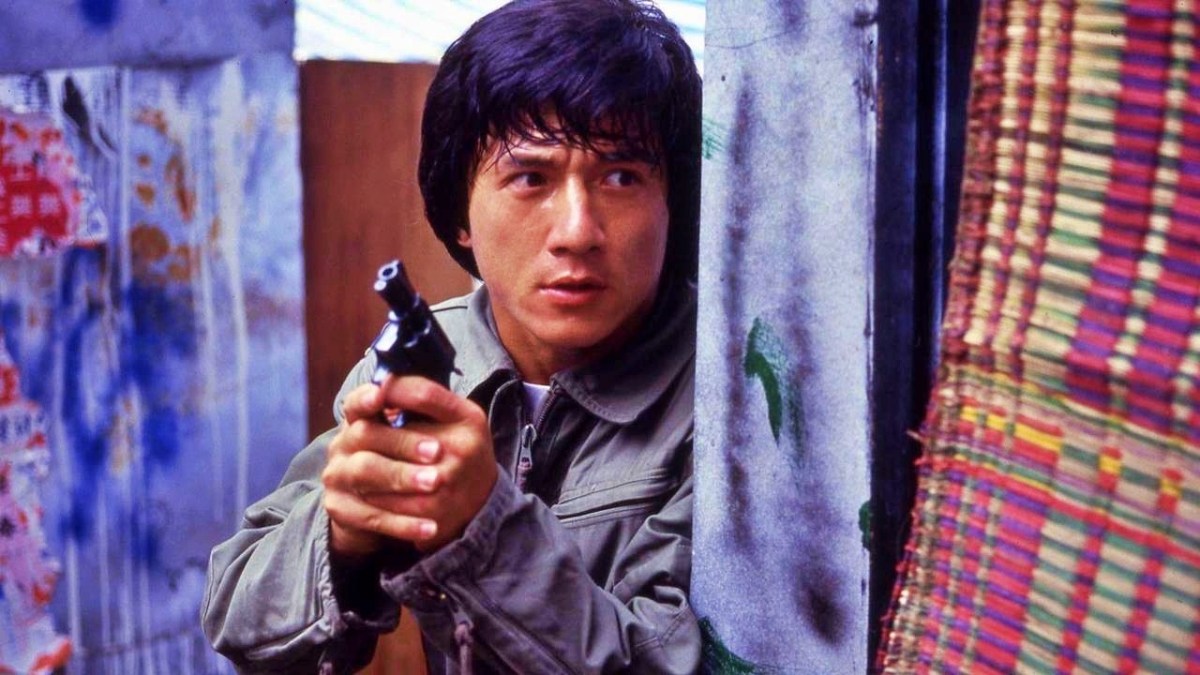
Jackie Chan puts on a rare snarly front as a framed police officer out to clear his name in this terrific spectacle of death-defying stunts and goofy comedy, still regarded as one of his finest achievements.

A fiery doctor and an ill gangster form a love-hate bond in Kurosawa’s striking first collab with Toshiro Mifune, a tale of changing times amid out-of-fashion masculine codes of honour.

