






Soderbergh’s first studio effort is rich in its ‘30s Depression-era period detail, while also functioning as a coming-of-age tale with an unexpected touch of warmth.
Continue reading →


Soderbergh’s first studio effort is rich in its ‘30s Depression-era period detail, while also functioning as a coming-of-age tale with an unexpected touch of warmth.
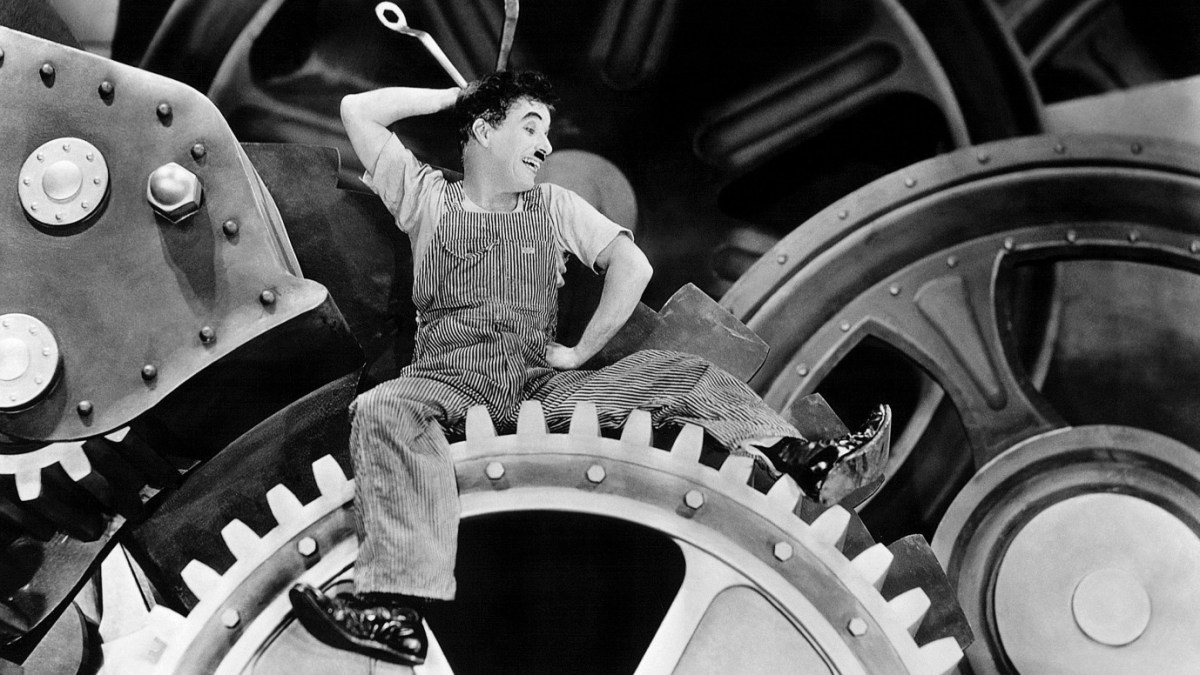
Chaplin’s brilliant film imbues his signature physical comedy into a tale about unemployment, homelessness and modern industrialisation, poignantly marking the end of the silent era in American cinema.
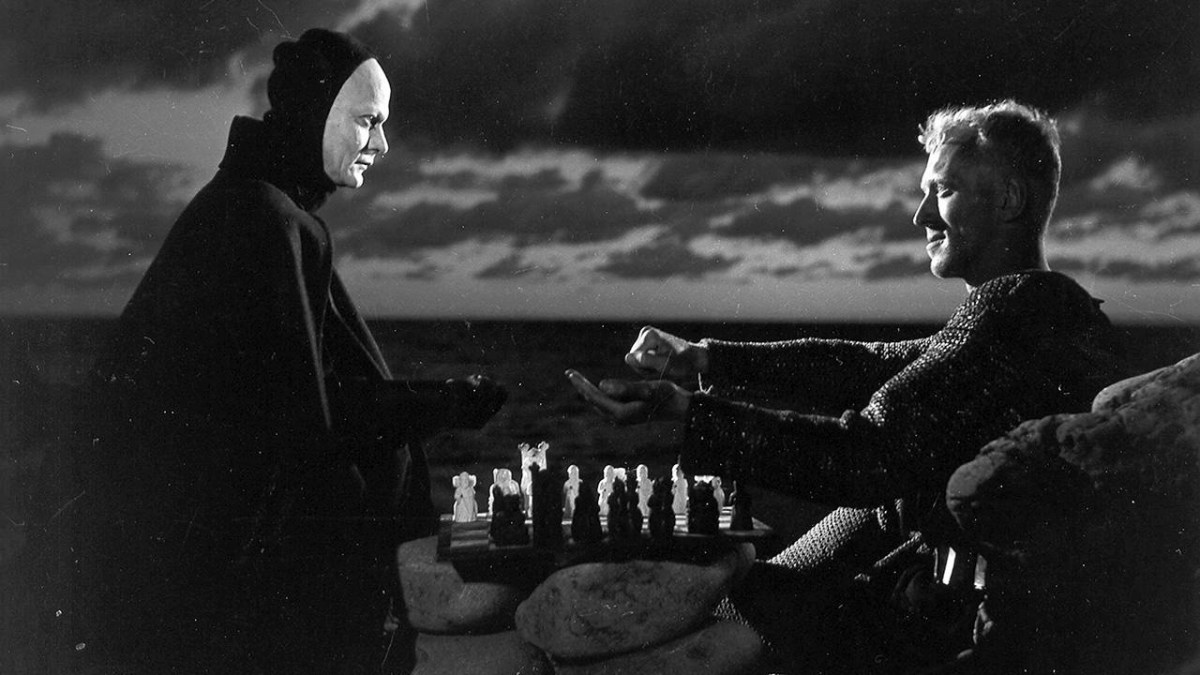
Bergman’s most famous and influential work captures the torment of existence and mortality as a weary knight seeks for the elusive assurance of God as Death comes for him.

Unfairly derided, Mann’s work here might not have come close to his best, but it’s still an intriguing 21st-century cyber-thriller set largely in Asia that deals with themes of geopolitics, technological fears, and agency versus anonymity in the digital world.

An interesting, and at times, comical crossover between two cultural action icons, this is a generally satisfying if predictable entry.

This early underrated work from Stanley Kwan may seem like it is all over the place in terms of tone and storytelling, but he just about pulls it off in its depiction of wasted youth and listlessness.

Mungiu’s somewhat belated take on xenophobia isn’t an all-powerful tale, but it smartly situates prevalent issues as a trickle-down effect of EU migrant policies in collision with chronic small-town racism.

Hosoda’s work here is generally delightful, but it is perhaps too slick and flashy to overcome its sometimes laboured storytelling about family and lineage.

Tonally uneven and tries too hard to be captivating, Panah Panahi’s tragicomic debut feature is a mixed bag of a road movie, despite the picturesque cinematography and some genuine moments of human empathy.

Godard collaborates with Jean-Pierre Leaud in this rarely-seen TV movie whose reach would have surely escaped its audience as the iconoclastic auteur philosophises the end of cinema, complications of production and the malleability of video aesthetics in his inimitable esoteric style.

