




An unconventional if poignant character study on Jacqueline Kennedy that draws a haunting, lingering effect as if we are witnessing the intimate spectres of fragmented history flow resplendently back to life.
Continue reading →


An unconventional if poignant character study on Jacqueline Kennedy that draws a haunting, lingering effect as if we are witnessing the intimate spectres of fragmented history flow resplendently back to life.
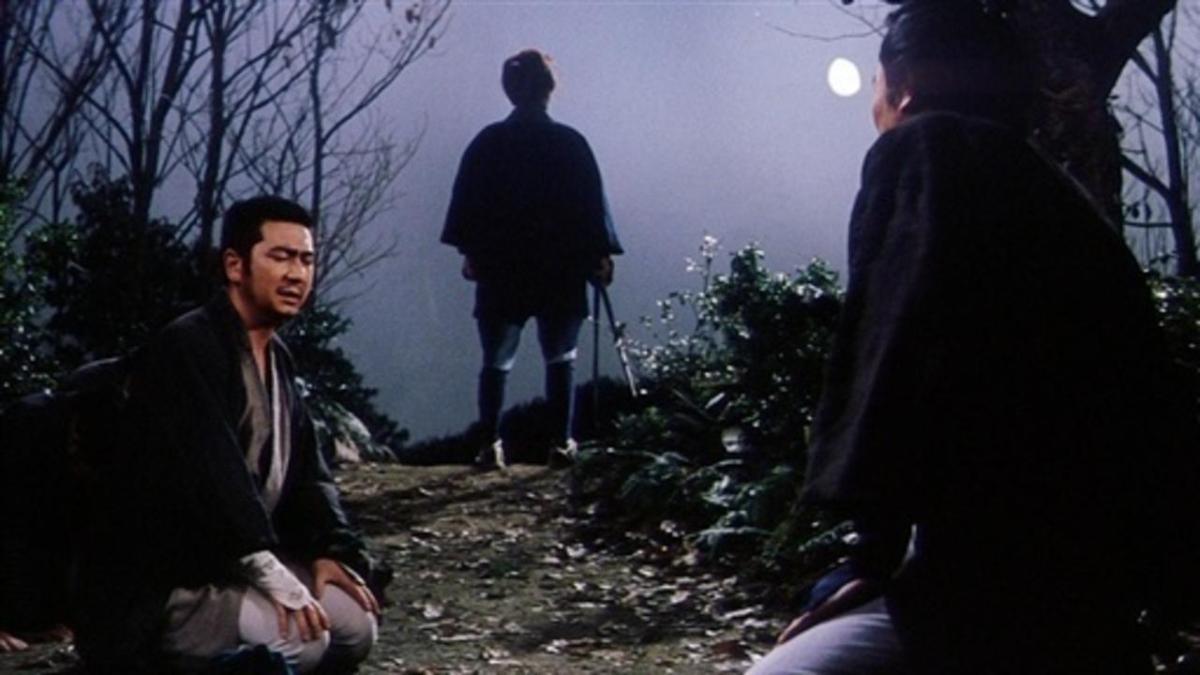
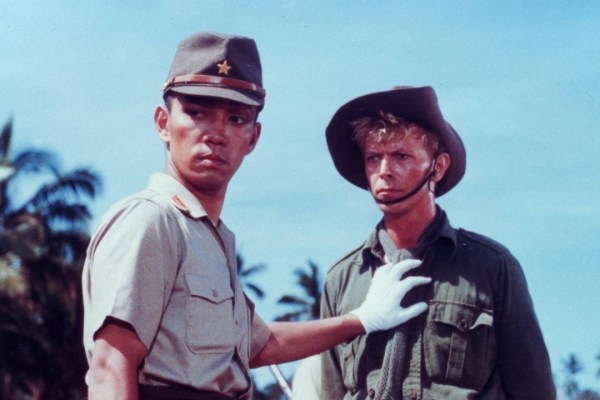
This sixth installment benefits from the wild, manic energy sustained by relatively new director Kazuo Ikehiro.

Shyam Benegal’s highly influential first feature sees actress Shabana Azmi bursting into the limelight in this anguishing tale about the injustices of India’s caste system and gender subjugation.
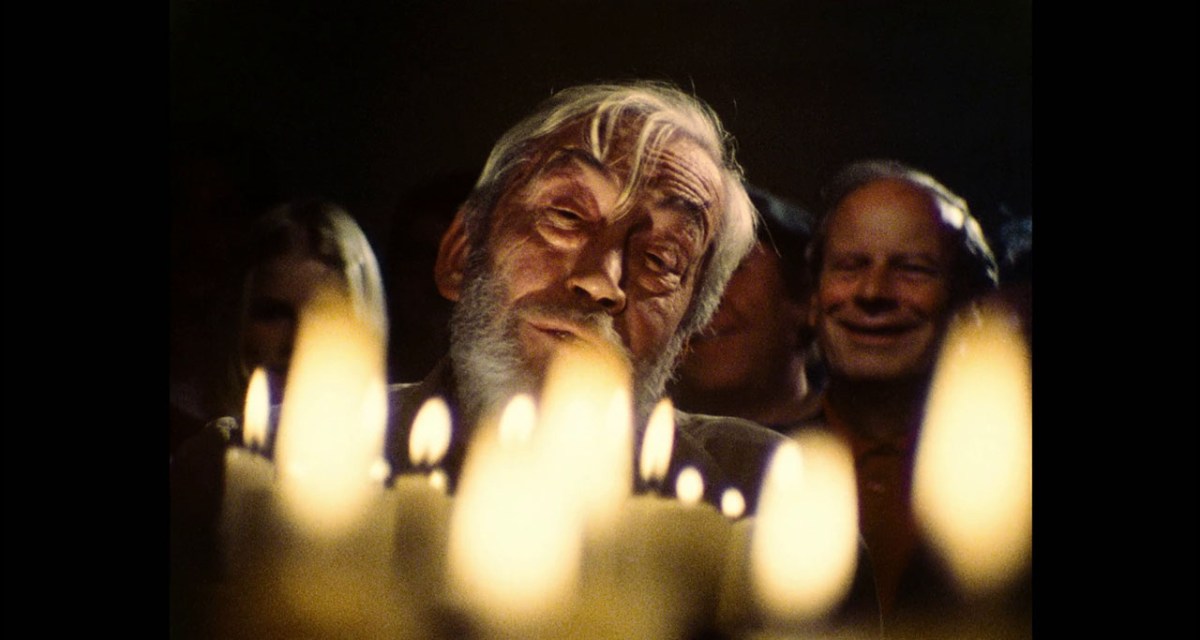
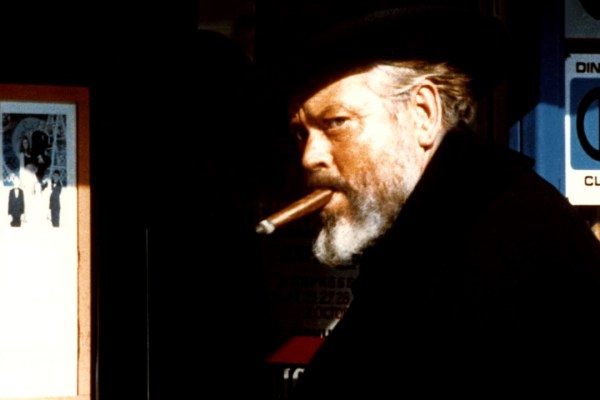
Superbly-edited and exuding a sense of ‘new wave’ energy, Welles’ previously incomplete film before his death is now complete (or not?) in this strange, kaleidoscopic but rather uncompelling work.
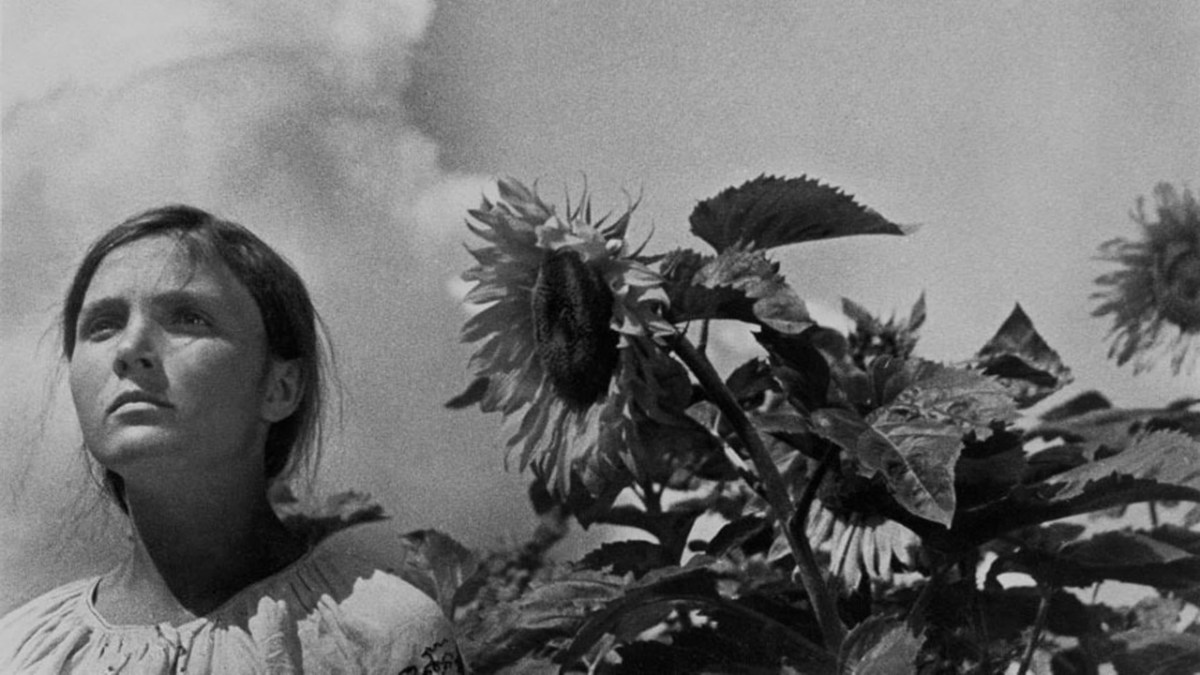
Dovzhenko’s representative if propagandistic work of the Soviet silent era is visually poetic even if in retrospect its pro-Stalinist call for collectivism remains controversial.
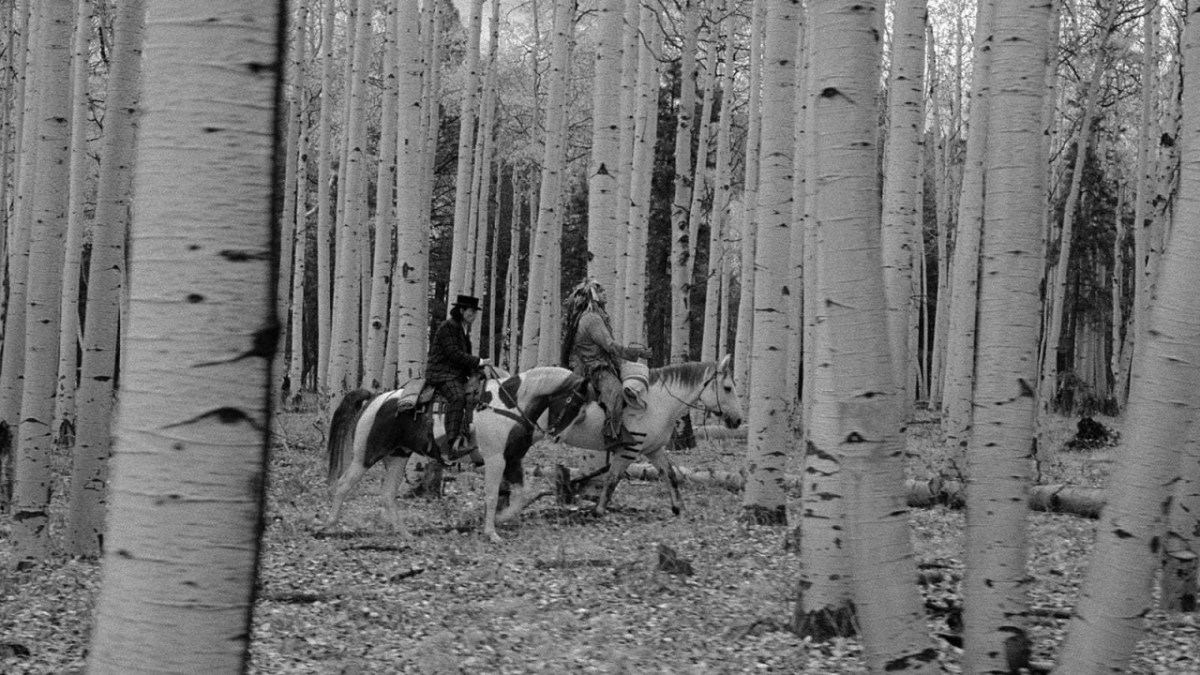
A stylish revisionist anti-Western masterpiece by Jim Jarmusch that is both surreal, spiritual and poetic, backed by a stunning improvised ‘live’ score by Neil Young.

Intentionally shot in drab lighting and colour, Larrain’s follow-up to ‘Tony Manero‘ may be lacking in genuine emotions, but is unsettling and clinical.
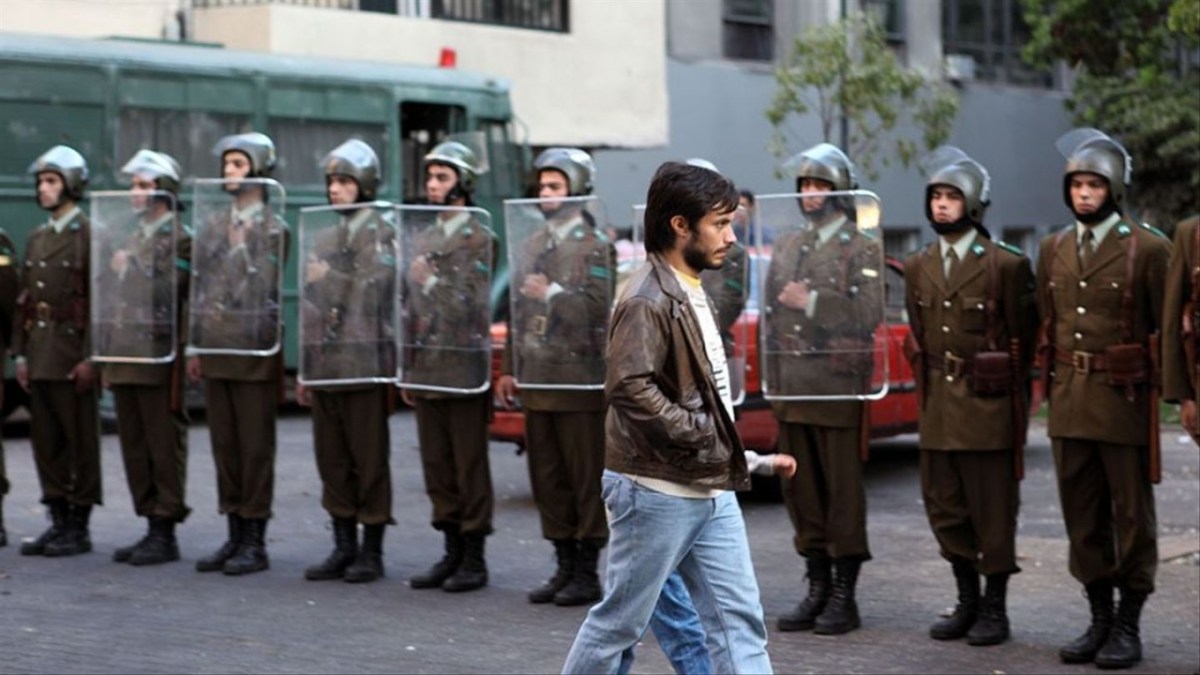
A dramatization of Chile’s 1988 historical referendum through the eyes of a campaigning ad executive with quite impressive blending of archival footage and period detail.

A strong performance by Romain Duris can’t quite lift Patrice Chereau’s faltering final film about the incommunicability and anxiety of human relationships.
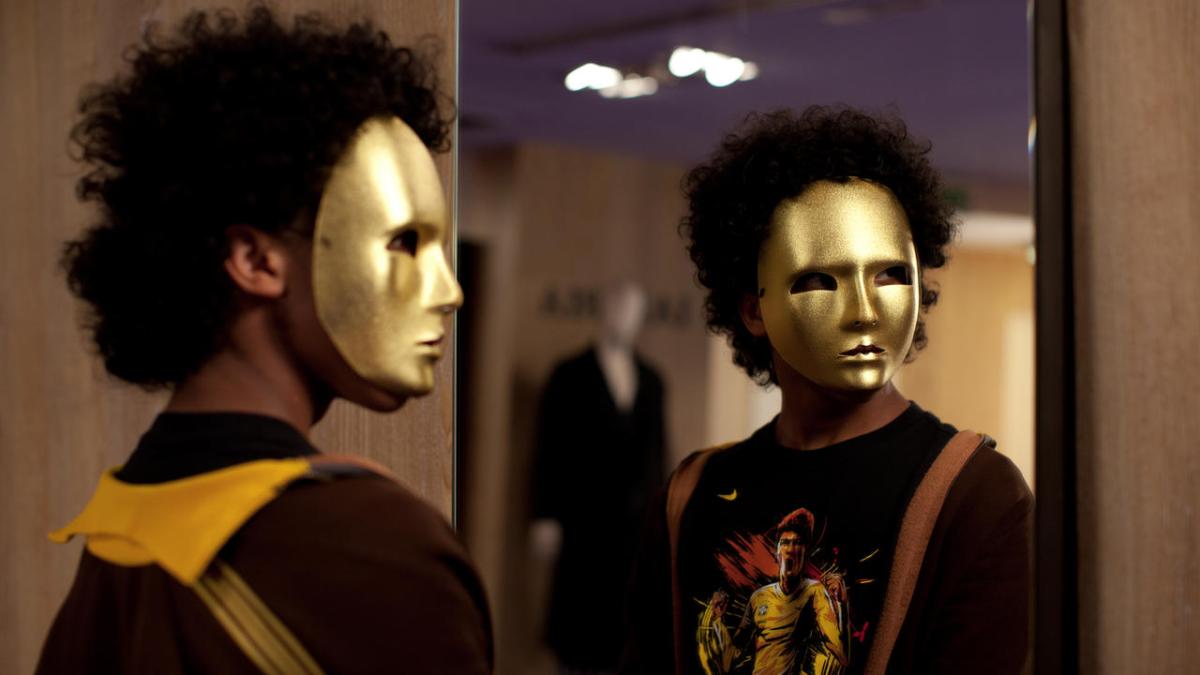
Bonello’s work about French homegrown terrorism is quite sensational in its thematic provocations and play with cinematic language.
 Eternality Tan