



Lengthy but still an entertaining piece centering on a bordello and its ragtag of vibrant characters as Shyam Benegal balances humour and serious women issues with skill.
Continue reading →

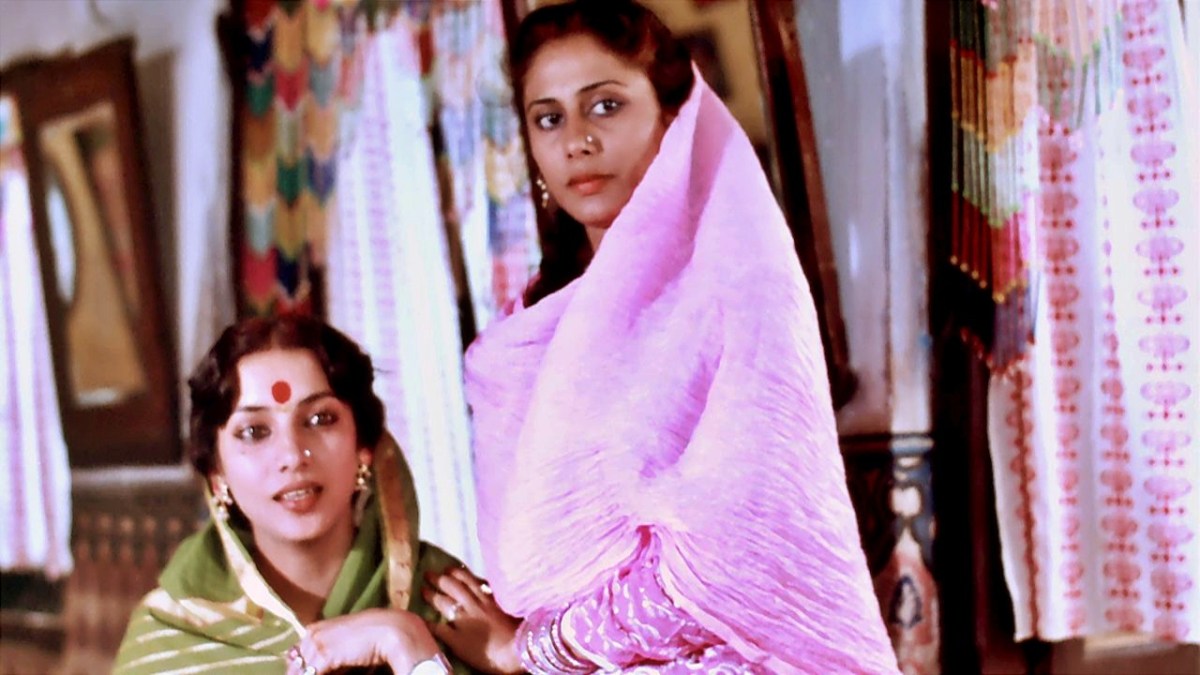
Lengthy but still an entertaining piece centering on a bordello and its ragtag of vibrant characters as Shyam Benegal balances humour and serious women issues with skill.

An early below-average work from Murnau that is neither here nor there from a genre perspective, whether as a murder mystery or horror film.

This culturally vibrant but slowly-paced drama lacks the emotional pull that Zhang Yimou’s earlier films are famous for.

Emotions run deep in Godard’s masterwork as it charts the deterioration of a couple’s marriage whilst set against the chronic uncertainties of a movie production.

It may sometimes feel too didactic, but this documentary about the proliferation of prisons in the US as set in the context of racial inequality has its moments of shocking power.

A man involved in Brazilian rodeo dreams of being in the fashion industry in Mascaro’s eye-opening, naturalistic work.

Majid Majidi’s Berlinale Best Actor winner is a largely assured drama centering on the rural-urban divide in Iran through the eyes of a poor family.
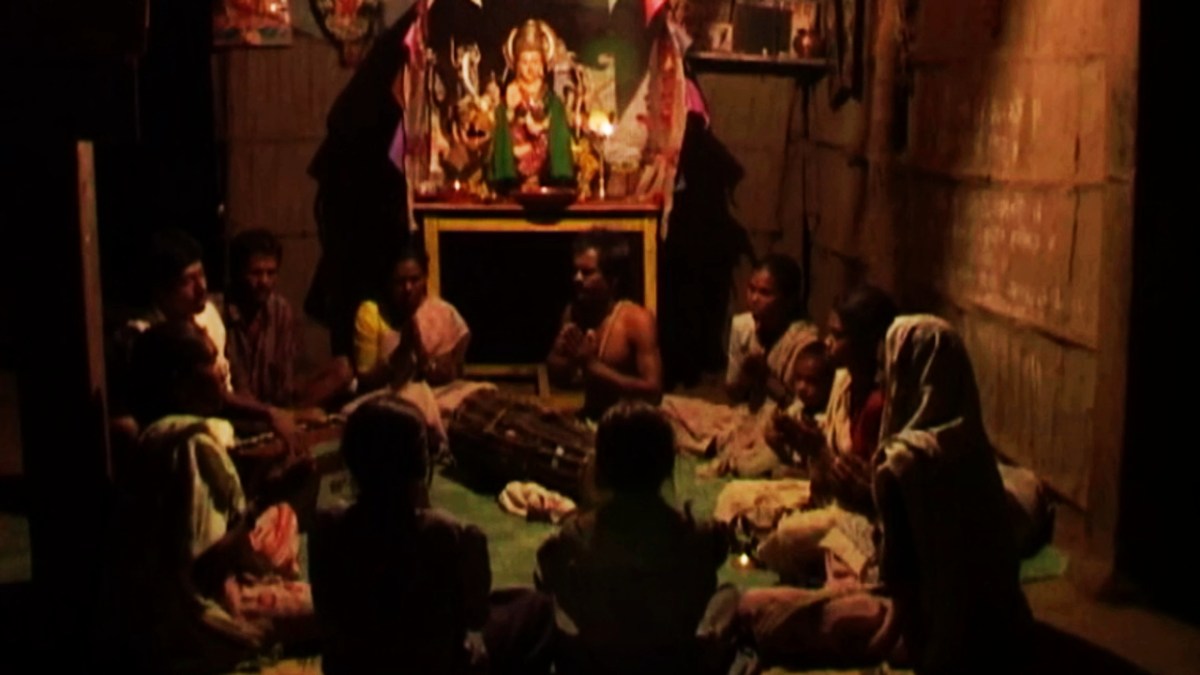
An ethnographic documentary on the Warli tribe in India, who are isolated from the modern world, as Dutta, with a keen observational eye, captures their daily lives, rituals, and myths, as if he had time-travelled back centuries with a camera in tow.
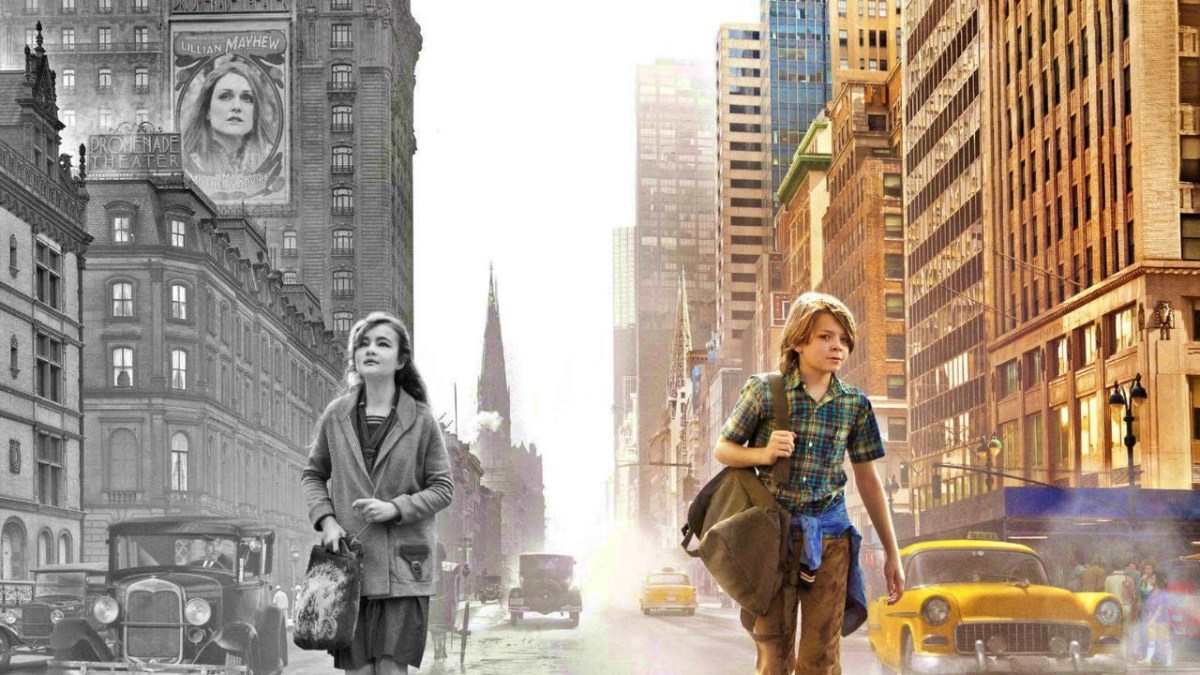
A languidly-paced work that has a great concept exploring human connections across time, with some moments of sublime filmmaking, but Haynes’ overall grasp of tone and thematic intent is a letdown.

This Silver Berlin Bear winner is one of the great tear-jerking melodramas from the Golden Age of Korean cinema, depicting the struggles of a working-class family as they find their self-respect and dignity constantly being attacked.

