









Suzuki’s dynamic if provocative work here tells of the sexual politics of flesh and humiliation, set in postwar Japan under American control.
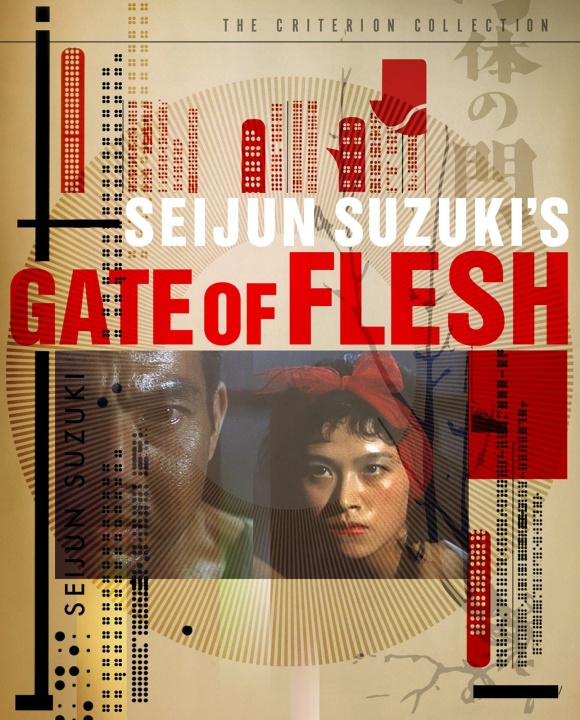
Review #2,707
Dir. Seijun Suzuki
1963 | Japan | Drama | 90 min | 2.35:1 | Japanese & English
M18 (passed clean) for sexual scenes and violence
Cast: Jo Shishido, Koji Wada, Yumiko Nogawa, Tamiko Ishii, Kayo Matsuo
Plot: In the shady black markets and bombed-out hovels of post-WWII Tokyo, a band of prostitutes eke out an existence, maintaining tenuous friendships and a semblance of order. But when a renegade ex-soldier stumbles into their midst, lusts and loyalties clash, with tragic results.
Awards: –
Distributor: Nikkatsu
Accessibility Index
Subject Matter: Moderate – Postwar Japan; Lust & Loyalty; Prostitution; Sexual Politics
Narrative Style: Straightforward
Pace: Normal
Audience Type: Slightly Mainstream
Viewed: Oldham Theatre (as part of Asian Film Archive’s Seijun Suzuki Retrospective)
Spoilers: No
I think this is one of the best Seijun Suzuki’s pictures from the ‘60s as Nikkatsu continued to push the boundaries of what might be considered salacious in studio filmmaking.
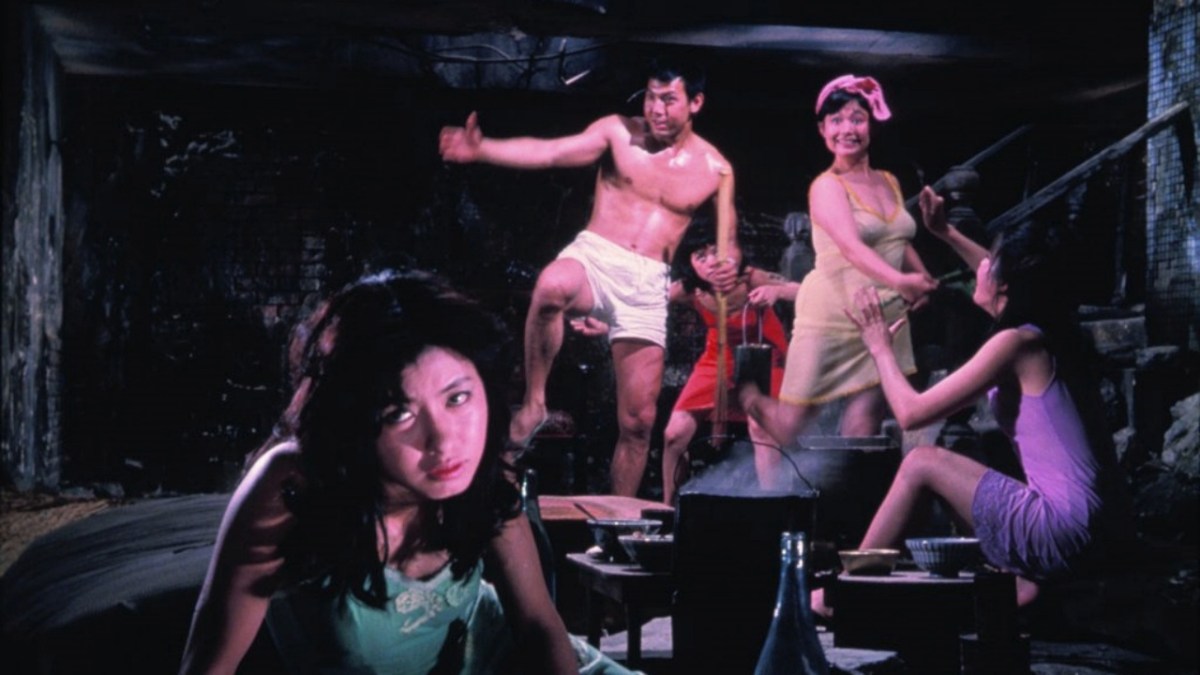
Here, sensuality and sexuality are flaunted, advertised and celebrated as a group of four women who run a brothel use their bodies to negotiate power and control.
The setting is postwar in American-occupied Japan. A wandering soldier, played by Suzuki regular Jo Shishido, finds himself seeking refuge in this brothel, to the delight of the women, who treat him like a master despite their proto-feminist leanings.
The Americans are after him for a crime, but the women protect him. It’s a provocative work about the corruption of body, mind and soul. Even black priests who preach God and His ways in this Land of the Rising Sun cannot shield themselves from abject humiliation.
“Never give it to a man for free.”
Marked by the striking use of colours (be it the costumes that these women wear or the overt use of filters) and an expressive camera, Gate of Flesh also sees Suzuki with some editing tricks up his sleeves, including superimpositions of close-ups of characters’ faces that open the film up psychologically.
The immediate aftermath of WWII was a horrible period for the Japanese as many suffered from hunger, disease and extreme poverty. Prostitution becomes, at least for these women, a transaction towards personal freedom.
Any attempt to offer one’s body without charge (i.e. out of mutual love) will be met with sadomasochistic punishment. Stripped entirely naked and tied with ropes, offenders are flogged.
We see several scenes of this but such is the wild, ‘anything goes’ nature of Suzuki’s film that there is no clear indication whether the sexual politics at work is meant to evoke pain or pleasure, to titillate or to galvanise. Perhaps that is the point—that these actions are merely capital to keep the wheels turning.
Grade: A-
Music:

